
5 reasons for hair fall — and what to eat for it
1/6
The big picture
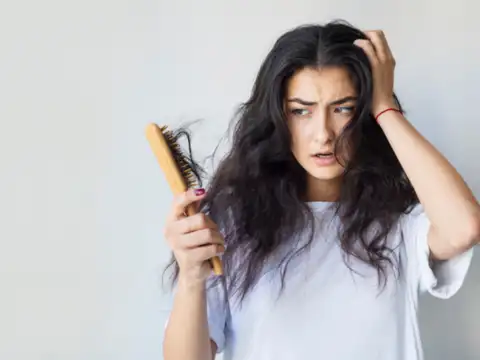
Common drivers include low iron or thyroid imbalance, androgen-related thinning, post-stress shedding, and styling or scalp damage; center meals on 25–35 g protein with iron-, zinc-, iodine-, selenium-, vitamin C–rich foods to support follicles while underlying causes are addressed.
2/6
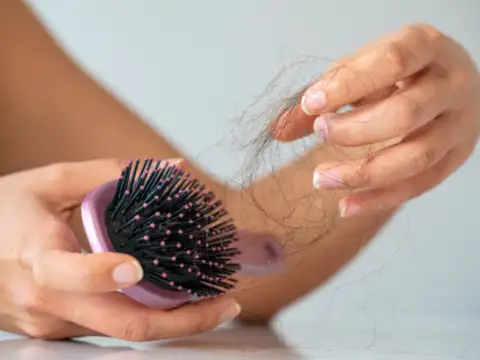
Low iron/ferritin — what to eat for it
Low ferritin limits oxygen delivery to follicles and triggers diffuse shedding; emphasize iron with absorption boosters by pairing rajma/chana/lentils, leafy greens, sesame, jaggery, or fortified cereals with vitamin C sources like lemon, guava, or bell pepper, include eggs or lean meats if used, and keep tea/coffee 60–90 minutes away from iron-rich meals.

3/6
Thyroid imbalance — what to eat for it
Thyroid swings disrupt hair cycling and texture; use iodized salt and include dairy/curd and whole eggs for iodine, add selenium via 1–2 Brazil nuts or seafood if used, get zinc from pumpkin seeds and chickpeas, keep soy/crucifers cooked and spaced from thyroid medication, and take levothyroxine on an empty stomach as prescribed.
Amazon Top Deals
POWERED BY

Crompton Ozone 75 Litres Desert Air Cooler for home | Large & Easy Clean Ice Chamber | 4-Way Air Deflection | High Density Honeycomb Pads | Everlast Pump | Auto Fill| 3 Year Brand Warranty
₹9,798Buy Now43%
OFF

LG 32 L Convection Microwave Oven (MC3286BRUM, Black, 360° Motorised Rotisserie for Bar-be-queing, 301 Auto Cook Menu, Stainless steel cavity, Indian Cuisine, Tandoor Se, Steam Clean & Diet Fry)
₹19,340Buy Now19%
OFF

4/6
Androgen-related thinning — what to eat for it
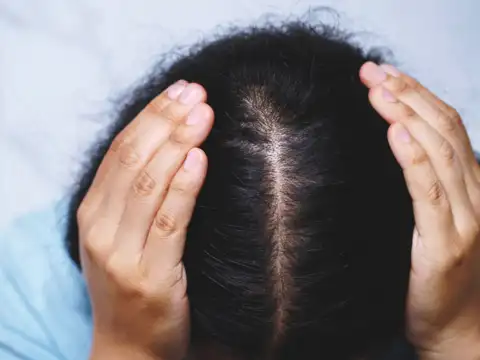
Female-pattern thinning reflects DHT sensitivity and inflammation; build anti-inflammatory, insulin-steady plates with omega-3s from walnuts, chia, flax or fatty fish if used, steady protein from tofu, tempeh, paneer, Greek yogurt, plenty of colorful vegetables and berries, high-fiber carbs like oats, millets, and quinoa, and limit added sugars and ultra-processed snacks.
5/6
Telogen effluvium — what to eat for it
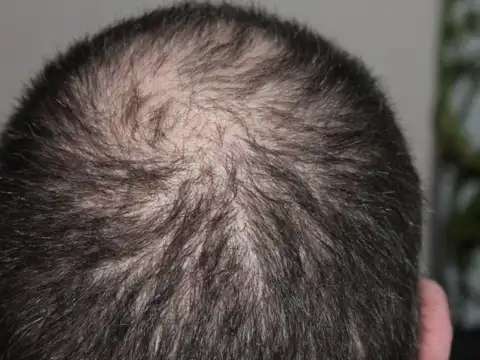
Shedding 2–3 months after fever, surgery, childbirth, crash dieting, or major stress improves as recovery continues; aim for 25–35 g protein per meal from curd/Greek yogurt, paneer/tofu/tempeh, dals/beans, or eggs if used, include vitamin C–rich fruit and leafy greens, choose whole grains, nuts, and seeds, and replete vitamin D and B12 if labs show low levels.
6/6
Styling/scalp damage — what to eat for it
Breakage and traction from tight styles, heat/chemicals, dandruff, or scalp inflammation benefit from keratin-building nutrients; prioritize daily protein with vitamin C from citrus or amla, vitamin E from almonds, zinc from pumpkin seeds and legumes, copper from sesame, cashews, or cocoa, hydrate well, and keep added sugars and refined oils moderate to reduce inflammatory load.