
5 rare digestive diseases you've probably never heard of
1/6
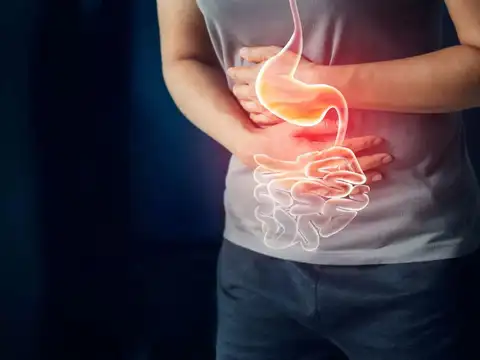
The forgotten diseases in your gut
Most people know about Crohn's and ulcers, but medicine's textbooks hide stranger ailments. These five obscure digestive disorders stay off radar because their symptoms mimic common issues, leaving patients bouncing between specialists for years. Let's shine a light on what's actually happening under the hood.
2/6
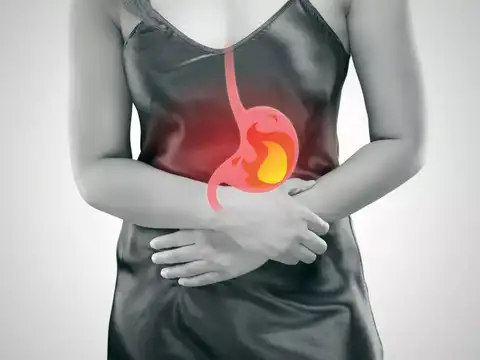
Rumination Disorder and Pica: When Eating Gets Weird
Rumination syndrome means your body automatically sends food back up your throat after you eat, then you rechew and swallow it again. It's involuntary, effortless, and happens multiple times daily. Pica is totally different: people crave and munch non-food stuff like soil, chalk, or ice. Both confuse doctors because they look like psychiatric quirks, but they're genuine gastrointestinal glitches.
3/6
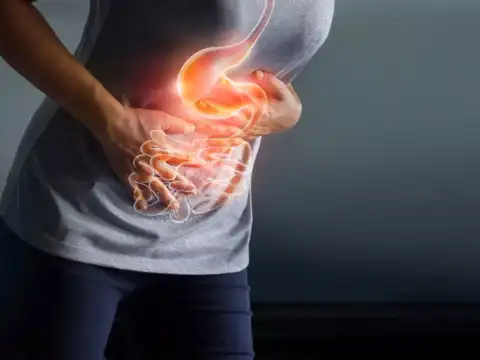
Bile Acid Malabsorption: The Hidden Fat Problem
Your intestines are supposed to recycle bile acids to digest fat. When that system breaks down, fat passes through undigested, causing chronic diarrhea and nutrient deficiencies. Doctors often miss this because bloodwork looks normal. The catch? It's treatable with medication that sounds straightforward but remains criminally underused in practice.
Amazon Top Deals
POWERED BY

4/6
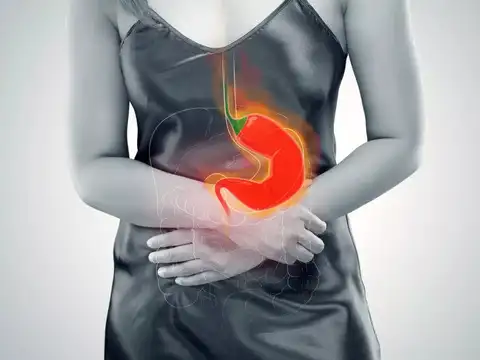
Short Bowel Syndrome: When Surgery Leaves You Short
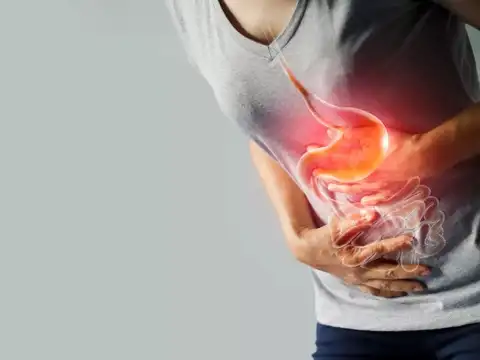
Loss of significant small-intestine length, usually after surgery for Crohn's or cancer, forces the body into survival mode. Patients can't absorb enough calories, fats, or water. Some need intravenous nutrition indefinitely. Others mysteriously improve over months as their remaining gut learns to compensate, but prediction is guesswork.
5/6
Microscopic Colitis: Inflammation You Can't See
Unlike regular ulcerative colitis, damage here is microscopic (invisible to standard scopes), so diagnosis requires tissue samples under magnification. Middle-aged women get hit hardest with persistent watery diarrhea that destroys quality of life. The kicker: colonoscopy looks perfectly normal, so patients get labeled neurotic before truth emerges.
6/6
Gastroparesis: When Your Stomach Goes Numb
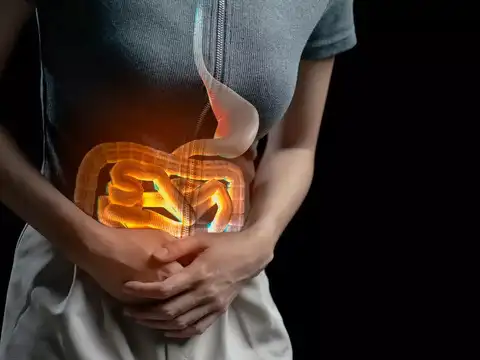
Your stomach muscles are supposed to grind food into mush and push it down. In gastroparesis, that motor function flatlines. Food sits rotting, causing severe nausea, bloating, and malnutrition. Diabetes triggers it most, but sometimes no cause surfaces. Treatment is frustratingly limited, leaving many patients stuck with liquid-only diets.
(Disclaimer: This is purely for educational purposes only. Not professional medical advice and does not substitute for any professional medical advice.)
(Disclaimer: This is purely for educational purposes only. Not professional medical advice and does not substitute for any professional medical advice.)