
5 quiet signs of magnesium deficiency that are often missed
1/6
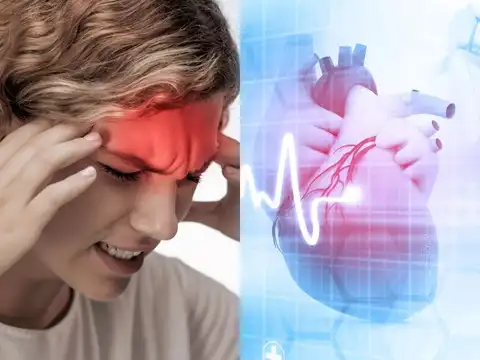
Why this gets missed
Magnesium sits behind muscle, nerve, and sleep regulation, but mild deficiency can look like “everyday” stress or dehydration, so it slips past routine exams. Watch for clusters of small clues rather than one dramatic symptom.

2/6
Persistent muscle twitches and cramps
Eyelid flutter, calf or foot cramps, nighttime “charley horses,” or tingling after light activity. These can reflect neuromuscular irritability when magnesium runs low and calcium signaling overfires.

3/6
Hard‑to-explain fatigue and low energy
Dragging energy despite decent sleep, easier exhaustion during routine tasks, or “heavy” legs on walks. Magnesium is involved in ATP production; low levels can blunt energy metabolism.
Amazon Top Deals
POWERED BY

Crompton Ozone 75 Litres Desert Air Cooler for home | Large & Easy Clean Ice Chamber | 4-Way Air Deflection | High Density Honeycomb Pads | Everlast Pump | Auto Fill| 3 Year Brand Warranty
₹9,798Buy Now43%
OFF

LG 32 L Convection Microwave Oven (MC3286BRUM, Black, 360° Motorised Rotisserie for Bar-be-queing, 301 Auto Cook Menu, Stainless steel cavity, Indian Cuisine, Tandoor Se, Steam Clean & Diet Fry)
₹19,340Buy Now19%
OFF

4/6
Sleep troubles and restless legs at night
Trouble falling or staying asleep, light sleep, or creeping leg discomfort that eases with movement. Magnesium helps calm the nervous system and supports sleep architecture.
5/6
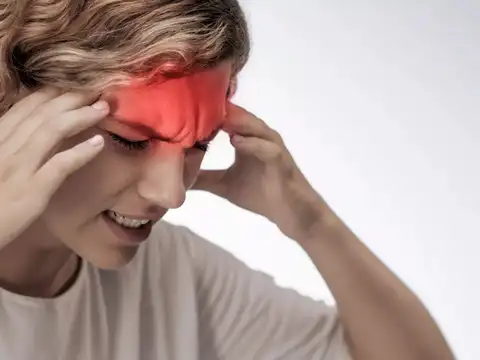
Frequent headaches or migraine‑like episodes
Recurrent headaches, visual auras, or neck–scalp tightness that correlate with stress or poor diet days. Some people with migraines are found to have lower magnesium levels.
6/6
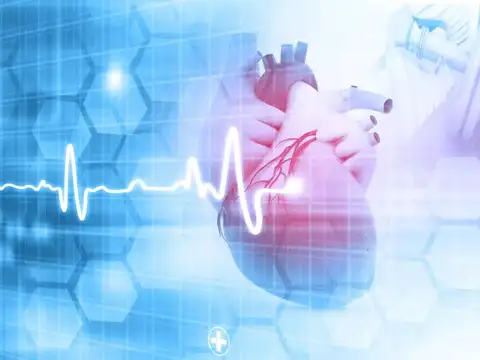
Heart flutters or extra beats (without a clear cause)
Occasional palpitations, stronger “thumps,” or brief racing sensations at rest, especially with caffeine or stress. Electrolyte shifts, including low magnesium, can affect cardiac rhythm.
(Disclaimer: Not professional medical advice. For general educational purposes only. Seek medical care if any of these signs are found.)
(Disclaimer: Not professional medical advice. For general educational purposes only. Seek medical care if any of these signs are found.)