
5 pushup mistakes that can quietly hurt shoulders and back

1/5
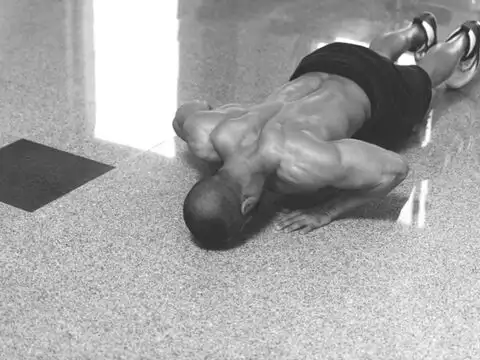
Letting Your Hips Sag
Sagging hips are one of the most common pushup mistakes and also one of the most dangerous. It shifts stress directly onto your lower back and spine. A PMC review on core stability and spinal injury prevention confirms that poor lumbopelvic control during load-bearing exercises significantly increases the risk of lumbar spine injury. Squeeze your core tight throughout every rep.
2/5
Letting Your Head Drop Or Crane Forward
Keep your gaze about a foot ahead of your hands. A PubMed study on neck posture and muscle strain found that flexed and forward head positions cause significantly greater stress on dorsal neck muscles compared to a neutral spine. Both habits quietly build up into chronic neck pain over time.

3/5
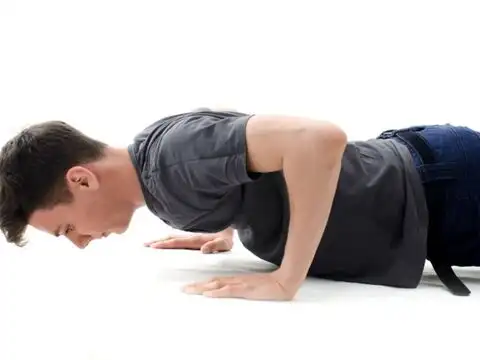
Placing Your Hands Too Wide Or Too Narrow
Hand placement changes everything, and getting it wrong puts strain on the wrong muscles and joints. A PubMed study on pushup hand position and muscle activation found that different hand placements produce measurably different muscle responses in the chest and triceps. Shoulder width is the safest default, distributing load evenly and reducing joint stress.
Amazon Top Deals
POWERED BY
4/5
Bending Your Wrists Back Too Far
This one causes wrist pain that many people just learn to live with. It shouldn't be normal. A Journal of Hand Surgery study on wrist pressure during pushups measured contact pressure across wrist joints in both extended and neutral positions, and found that an extended wrist position significantly increases joint load and injury risk. If your wrists hurt, try fists or pushup handles to keep them neutral.
5/5
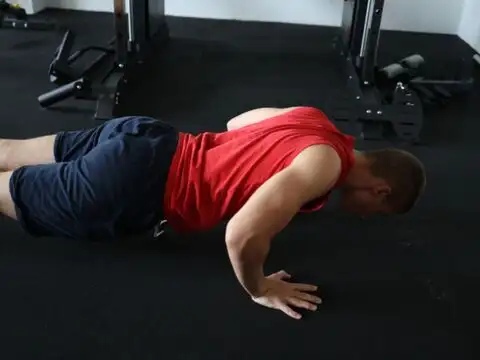
Doing Too Many Reps With Bad Form
Cranking out 50 pushups with sloppy form is far worse than doing 15 clean ones. Poor form repeated at high volume accelerates injury, especially at the shoulder. A scoping review published in PMC on shoulder muscle activity during pushups found that shoulder girdle stability is heavily dependent on controlled movement patterns across repetitions. Volume means nothing if your form breaks down halfway through.
(Disclaimer: This story is for educational purposes alone and should not be considered as professional medical advice and does not substitute any medical advice.)
(Disclaimer: This story is for educational purposes alone and should not be considered as professional medical advice and does not substitute any medical advice.)