
5 post-meal light movements to boost digestion and metabolism

1/6
Science of Moving After a Meal
In the fast-paced life of 2026, we often sit immediately after eating, which leads to sluggish digestion and insulin spikes. Engaging in light, purposeful movement post-meal triggers the "glucose clearing" effect, where your muscles use the newly ingested sugar for energy rather than storing it as fat. These six movements are not high-intensity workouts; they are strategic "metabolic nudges" that improve blood flow to the gut and keep your digestive system moving efficiently.
2/6
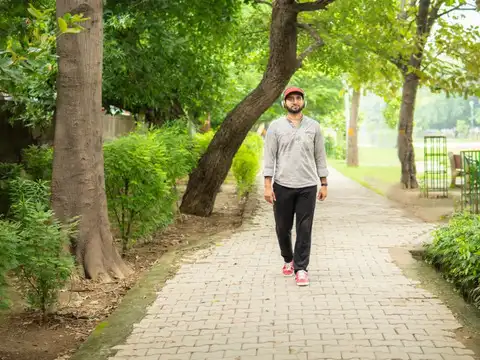
Shatavari Walk (Vajrasana Alternative)
Known traditionally as Shatpavali, taking exactly 100 to 500 gentle steps at a slow, leisurely pace is one of the best things you can do for your gut. Unlike a brisk walk, this slow movement allows the parasympathetic nervous system to remain active. It prevents the post-meal "heavy" feeling by using gravity to assist the passage of food from the stomach into the small intestine, significantly reducing the chances of acid reflux or bloating.
3/6
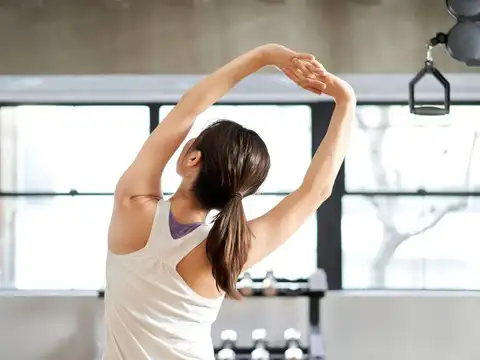
Standing Torso Rotations
Standing with your feet shoulder-width apart and gently rotating your upper body from side to side creates a mild "massaging" effect on the internal organs. These soft twists help move trapped gas through the colon and stimulate peristalsis—the wave-like muscle contractions that move food along. Ensure your arms are loose and the movement comes from the waist, keeping the pace slow to avoid any stomach discomfort.
Amazon Top Deals
POWERED BY

4/6
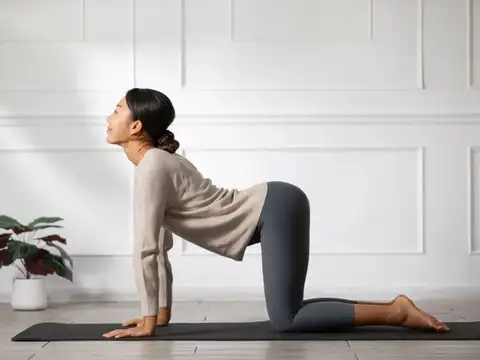
Seated Cat-Cow Stretch
If you are at an office desk, the seated cat-cow is a discreet yet powerful digestive tool. By inhaling to arch your back and exhaling to round it, you create a rhythmic expansion and contraction of the abdominal cavity. This movement helps regulate intra-abdominal pressure and stimulates the vagus nerve, which is the primary communication line between your brain and your digestive system, ensuring your enzymes are released on time.

5/6
Gentle Standing Side Bends
Raising one arm overhead and leaning gently to the opposite side helps stretch the oblique muscles and creates more space in the abdominal region. This lateral movement is particularly effective at relieving the "stuffed" feeling after a large meal. It helps decompress the stomach and esophagus, allowing for a smoother digestive process and preventing the fermentation of food that causes mid-afternoon lethargy.
6/6
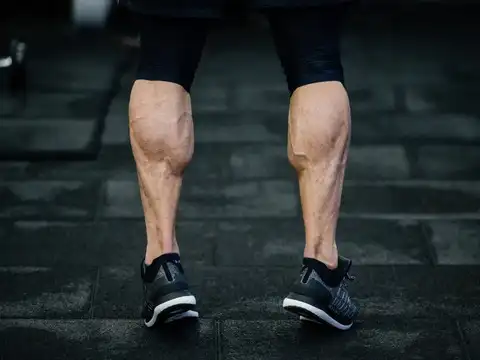
Calf Raises (Soleus Push-Ups)
The soleus muscle in your calf is a metabolic powerhouse that can burn glucose for hours without tiring. Performing 20 to 30 slow calf raises while standing (or even seated) acts as a "metabolic pump." Research in 2026 confirms that activating this specific muscle post-meal significantly lowers the blood sugar peak, effectively boosting your metabolism while you are technically "at rest" or back at your workstation.
(Disclaimer: This story is for educational purposes alone and should not be considered as professional medical advice and does not substitute any medical advice.)
(Disclaimer: This story is for educational purposes alone and should not be considered as professional medical advice and does not substitute any medical advice.)