
5 Japanese methods for longer living: simple habits to adopt in India

1/6
Why Japan’s habits travel well
Japan’s longest‑living regions pair purposeful living, modest eating, strong community ties, steady small improvements, and regular nature time to produce sustainable health behaviors over decades.
2/6
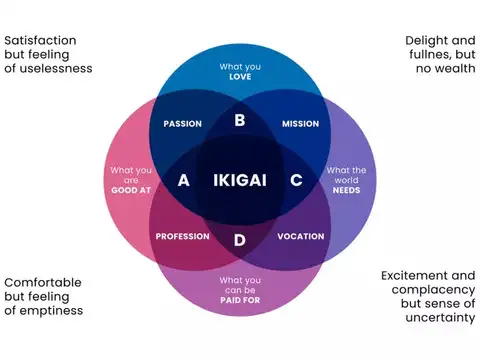
Ikigai: a reason to get up
Ikigai is a personal sense of purpose that blends what you love, what you’re good at, what the world needs, and what sustains your life, which is linked with better mental well‑being and health behaviors in longevity research.How to apply in India: Write a one‑line purpose for the next 90 days (family care, teaching, gardening, craft), schedule 30 minutes daily toward it, and review weekly to keep motivation and routines aligned.

3/6
Hara hachi bu: 80% full rule
The Okinawan practice of stopping at about 80% fullness reduces excess calories and helps weight and metabolic health over time without strict dieting.How to apply in India: Use a smaller plate, serve dal/sabzi first, slow down with 20‑minute meals, and leave two bites on the plate to train satiety awareness, especially at dinner.
Amazon Top Deals
POWERED BY


4/6
Moai: protective social circles
A moai is a small, dependable group that meets regularly for mutual support, which is associated with lower stress, healthier habits, and longer life in community studies.How to apply in India: Form a 4–6 person “health moai” with neighbors or colleagues; meet once a week for a walk, shared tiffin, or hobby; set a shared step goal and check‑in daily on WhatsApp.

5/6
Kaizen and nintai: tiny steps, steady grit
Kaizen means continuous small improvements, and nintai is patient perseverance; together they make change sticky by lowering effort and repeating gains.How to apply in India: Add 1,000 steps this week, 1 extra vegetable serving at lunch, and 5 minutes of stretching post‑dinner; increase by small increments weekly to build durable habits.

6/6
Shinrin‑yoku: nature as medicine
“Forest bathing” is unhurried time in green spaces that can lower stress markers and improve mood and sleep.How to apply in India: Aim for 90 minutes of green time weekly—morning park walks, tree‑lined colony loops, or weekend garden visits; keep phones in pocket, notice sounds, light, and breath.
(Disclaimer: The story is for general information purposes only. This does not substitute medical advice)
(Disclaimer: The story is for general information purposes only. This does not substitute medical advice)