
5 infertility red flags explained by specialists

1/6
First things first
Planning pregnancy? Under 35, try for 12 months before evaluation; 35 or older, seek help at six months; earlier anytime symptoms or concerns arise—care is available nationwide.

2/6
Irregular or absent periods
Cycles longer than 35 days, fewer than eight periods yearly, or missed periods suggest ovulation problems, commonly PCOS or thyroid disorders—early hormone testing can speed solutions and protect future fertility.

3/6
Severe period pain or heavy bleeding
Debilitating cramps, pain with sex, bowel pain, or heavy bleeding may indicate endometriosis or fibroids, which can affect fertility—document symptoms and discuss imaging and endometriosis‑aware treatment.
Amazon Top Deals
POWERED BY


4/6
Past pelvic infections or genital TB
History of pelvic inflammatory disease, untreated STIs, or genital tuberculosis can scar or block fallopian tubes—ask about an HSG or saline sonography to check tubal patency.

5/6
Thyroid/prolactin issues or repeated miscarriage
Unexplained weight change, hair loss, fatigue, nipple discharge, or two miscarriages warrant thyroid and prolactin tests plus recurrent‑loss workup—treating root causes can restore cycles and implantation.
6/6
When to see a specialist
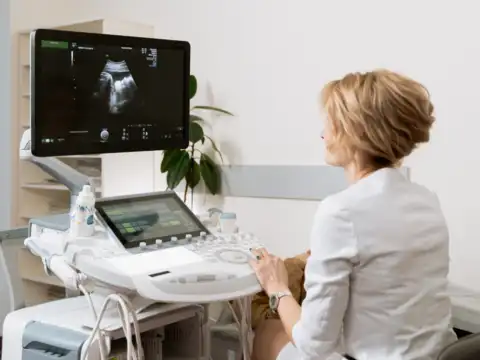
See a fertility specialist sooner at age 35+, with irregular cycles, severe pain, tubal risk, or two miscarriages; evaluate both partners together for fastest, evidence‑based next steps.
READ MORE:
female infertility symptoms India |irregular periods infertility |PCOS and infertility India |endometriosis symptoms fertility |thyroid prolactin infertility |tubal blockage HSG India |recurrent miscarriage causes |infertility after 35 guideline |when to see fertility specialist |infertility evaluation ACOG ASRM