
5 Indian dals rich in vitamin B for improved metabolism and steadier energy
1/5
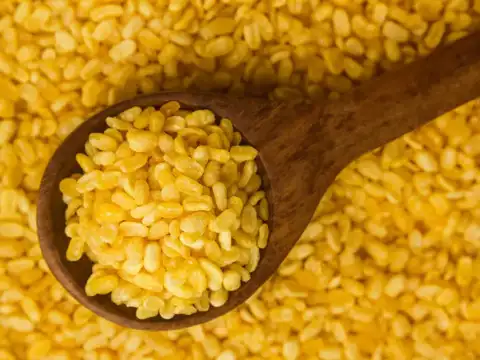
Moong dal (green gram; split skinned = yellow moong)
Moong dal is gentle on the stomach and a reliable folate and thiamine source, supporting red‑blood‑cell formation and energy metabolism. Folate (vitamin B9) helps make DNA and healthy blood; thiamine (vitamin B1) helps convert food to energy for the brain and nerves.How to use: Pressure‑cook briefly with turmeric; finish with a light tadka (tempering) of cumin and ghee to limit overcooking. Sprouting whole moong preserves more folate for salads and chaats.
2/5
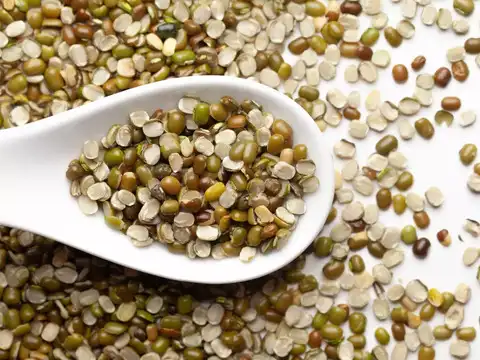
Urad dal (black gram; split skinned = white urad)
Urad is naturally rich in B‑group vitamins, with notable folate (vitamin B9), thiamine (vitamin B1), riboflavin (vitamin B2), and niacin (vitamin B3). These support cell repair, nerve function, and energy release. It also brings iron and magnesium.How to use: Fermented batters (idli/dosa with rice) can improve B‑vitamin availability; for dal makhani, cook low and slow and avoid excessive reheating to protect heat‑sensitive vitamins.
3/5
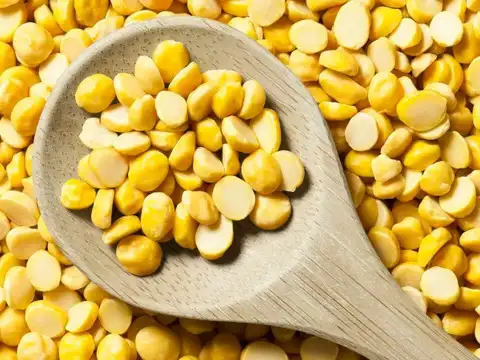
Chana dal (Bengal gram; split chickpea)
As a chickpea derivative, chana dal contributes folate (vitamin B9) and thiamine (vitamin B1) along with fiber and protein, helping heart health and steady energy across the day.How to use: Soak 30–60 minutes to soften; pressure‑cook till just done, then add tomato‑onion masala. Use leftovers in chaat with lemon to add vitamin C, which complements B‑vitamin‑rich meals.
Amazon Top Deals
POWERED BY

Crompton Ozone 75 Litres Desert Air Cooler for home | Large & Easy Clean Ice Chamber | 4-Way Air Deflection | High Density Honeycomb Pads | Everlast Pump | Auto Fill| 3 Year Brand Warranty
₹9,798Buy Now43%
OFF

LG 32 L Convection Microwave Oven (MC3286BRUM, Black, 360° Motorised Rotisserie for Bar-be-queing, 301 Auto Cook Menu, Stainless steel cavity, Indian Cuisine, Tandoor Se, Steam Clean & Diet Fry)
₹19,340Buy Now19%
OFF
4/5
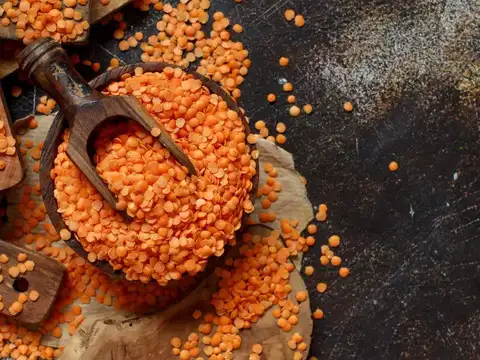
Masoor dal (red lentil)
Masoor is quick‑cooking and a handy folate (vitamin B9) source; it also supplies pyridoxine (vitamin B6) for protein metabolism and riboflavin (vitamin B2) in smaller amounts. Great for busy weeknights without sacrificing nutrition.How to use: Simmer gently 10–12 minutes; finishing with spinach or methi (fenugreek) boosts folate further. Avoid vigorous boiling to reduce vitamin loss.
5/5
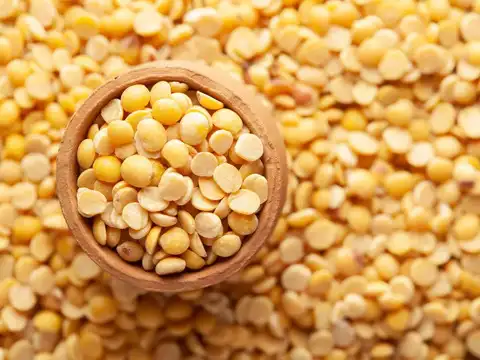
Toor dal (pigeon pea; arhar)
A daily staple that provides folate (vitamin B9) and thiamine (vitamin B1) plus potassium and magnesium, supporting heart and nerve function. Its B‑vitamin mix complements rice or millets to round out a meal.How to use: Soak 20–30 minutes, pressure‑cook with turmeric; finish with mustard, curry leaves, and hing (asafoetida). Add lemon after cooking to keep flavors bright without extra salt.
(Disclaimer: This story is not for professional medical advice and does not substitute any medical advice. This is strictly for educational purposes alone.)
(Disclaimer: This story is not for professional medical advice and does not substitute any medical advice. This is strictly for educational purposes alone.)