
5 incredible benefits of eating walnuts
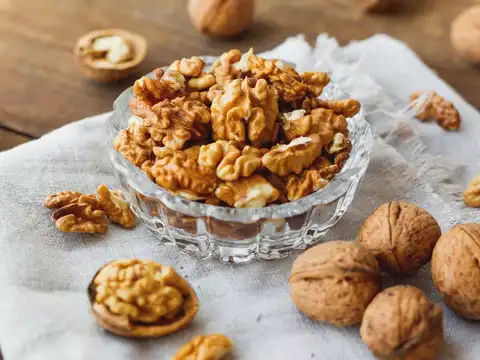
1/6
Walnuts health benefits
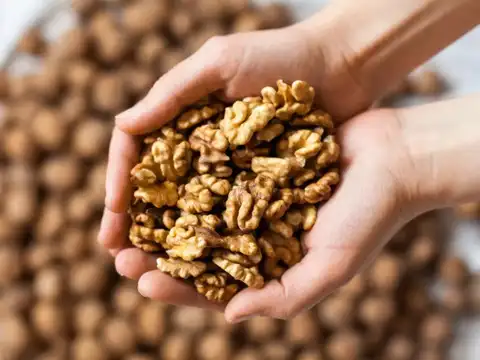
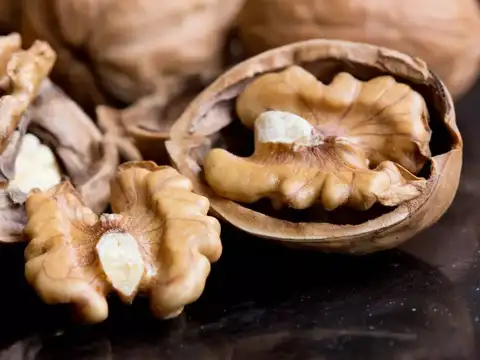
Walnuts are the only common nut naturally rich in the plant omega‑3 called ALA, plus fiber, minerals, and antioxidants; this combo supports heart health, brain function, and a healthy gut in everyday eaters. Think of them as a small, daily upgrade that fits into what you already eat.
2/6
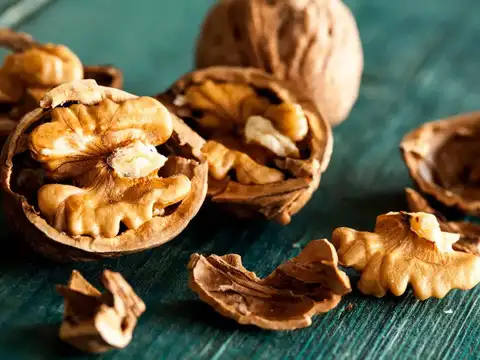
Heart health (LDL and artery support)
Lower LDL (“bad”) cholesterol and healthier blood fats reduce the chance of plaque buildup in arteries over time. In a 2‑year randomized trial in older adults, adding daily walnuts modestly lowered LDL and improved certain atherogenic particles, which signal better heart risk profiles.How to : Aim for about a small handful daily (28–30 g) as a snack, or sprinkle on salads/dal/poha; keep the rest of the diet balanced to see real benefits.
3/6
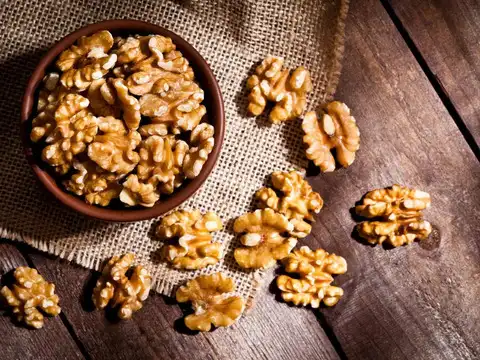
Brain function and focus
Compounds in walnuts (ALA omega‑3, polyphenols) may help brain cells communicate and manage inflammation, which relates to memory and thinking speed. A crossover trial found a walnut‑rich breakfast led to faster reaction times during the day and late‑day memory benefits in young adults.How to : Add chopped walnuts to breakfast—oats, yogurt, or smoothie—especially on work or study days when focus matters.
Amazon Top Deals
POWERED BY

4/6
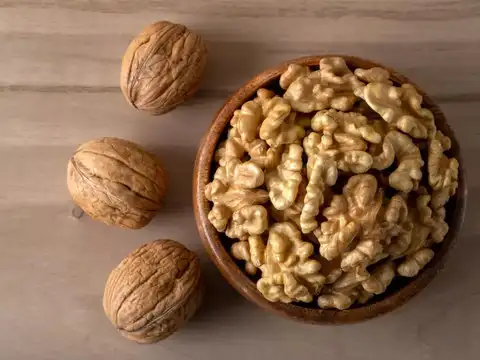
Gut health (good bacteria)
A healthier gut microbiome is linked to better immunity and metabolic health. Human studies show people who eat walnuts daily develop more beneficial gut bacteria and gut‑friendly compounds.How to : Pair walnuts with fiber‑rich foods (fruit, veggies, legumes) to “feed” good microbes; simple swap: nuts + fruit instead of biscuits at tea time.
5/6
Inflammation and overall wellness
Chronic inflammation stresses blood vessels and organs; walnut ALA and antioxidants help calm this baseline inflammation and support flexible blood vessels. Reviews and cohort analyses link regular walnut intake with lower cardiovascular events over time.How to : Make walnuts a routine—most days of the week—rather than a once‑in‑a‑while add‑on; small, steady intake matters more than occasional large portions.
6/6
Weight‑smart snacking
Despite being calorie‑dense, walnuts are filling; protein, fiber, and crunch help reduce overeating later. Observational data link higher nut intake with better weight and heart markers when nuts replace ultra‑processed snacks.How to : Keep a measured portion (about 14 halves) handy; replace chips or sweets, not add on top, to keep calories in check.
(Disclaimer: This story is not for professional medical advice and does not substitute medical advice.)
(Disclaimer: This story is not for professional medical advice and does not substitute medical advice.)