
5 eye risks of air pollution and tips on how to protect your vision
1/7
Why eyes get hit first
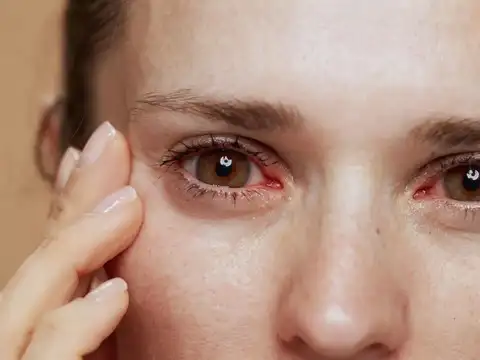
Eyes are directly exposed to particulate matter, ozone, and nitrogen oxides; unlike lungs, they lack filtration and mucociliary clearance, so irritants land on the tear film and cornea within minutes outdoors, triggering dryness, inflammation, and infection risks.

2/7
Risk 1: dry eye and tear-film instability
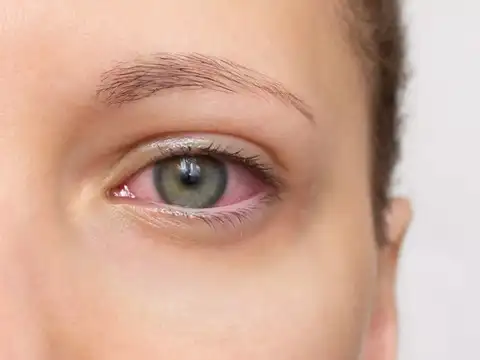
Fine particles disrupt the lipid and mucin layers of the tear film, causing burning, gritty sensation, fluctuating vision, and reflex tearing that worsens with wind and screen time. Contact lens users often notice earlier symptoms during smog days due to reduced oxygen permeability and faster tear evaporation.
3/7
Risk 2: allergic conjunctivitis flare-ups
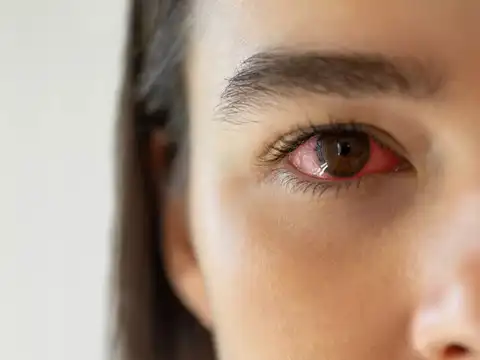
Airborne pollutants and pollen amplify mast‑cell responses, leading to itchy, red, watery eyes and stringy discharge, with vernal/seasonal forms worsening in young people during autumn‑winter. Repeated rubbing from itch can thicken the cornea over time and aggravate keratoconus risk in susceptible eyes.
Amazon Top Deals
POWERED BY

4/7
Risk 3: infectious conjunctivitis susceptibility
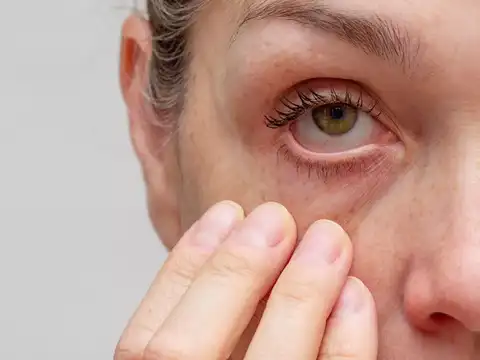
Irritated ocular surfaces and reduced antimicrobial peptides in tears make eyes more vulnerable to viral and bacterial conjunctivitis during pollution peaks. Crowded public transport and shared towels/screens increase transmission when schools and offices run in poor AQI weeks.
5/7
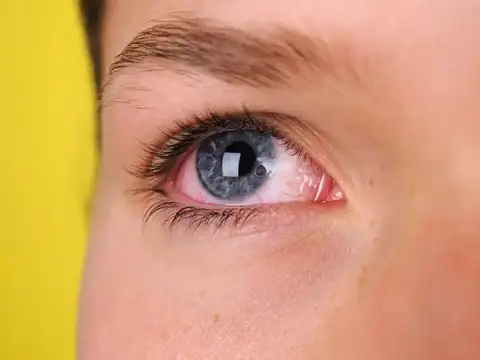
Risk 4: corneal epithelial damage
Oxidative stress from ozone and PM2.5 can cause micro‑erosions on the corneal surface, making eyes light‑sensitive and painful; healing slows if exposure continues. In severe cases, recurrent erosions and surface inflammation can blur vision until the epithelium stabilizes.
6/7
Risk 5: retinal and vascular stress (long term)
Chronic exposure to fine particulates is linked with systemic oxidative stress and endothelial dysfunction that may extend to retinal circulation, compounding risks for people with diabetes or hypertension. While the strongest evidence is respiratory/cardiovascular, ophthalmology clinics increasingly flag pollution seasons as high‑symptom periods for vulnerable patients.
7/7
What to do outdoors
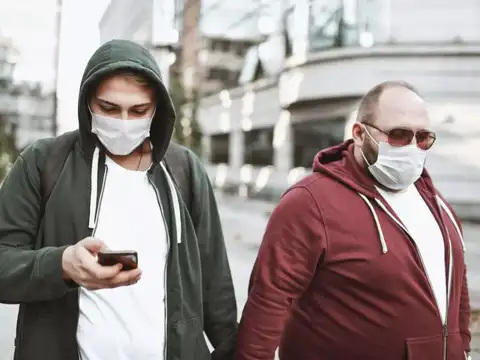
- Wraparound clear glasses or sunglasses to shield from wind and particulates; add a well‑fitting mask on high‑AQI days to cut upstream irritants.
- Blink breaks every few minutes and keep eyes closed for 10 seconds during signals or stops to re‑stabilize the tear film.
- Avoid rubbing; carry sterile lubricating drops (preservative‑free) and use after exposure or every 4–6 hours on smog days.