
5 exercises that can relieve joint pain

1/6
Why exercise helps joints
Movement feeds cartilage with nutrients and keeps tendons and ligaments flexible. It also calms pain signals and improves balance. The goal is less stiffness and better function, not perfection. Small daily sessions work. Warm up first. If pain spikes, cut the range, not the habit.

2/6
Range of motion routine
Gently move joints through comfortable arcs. Example: shoulder circles, knee bends and straightens, ankle pumps, wrist open and close. Do 8 to 10 slow reps. This keeps mobility, reduces morning stiffness, and prepares muscles for strength work. Easy to do daily at home.
3/6
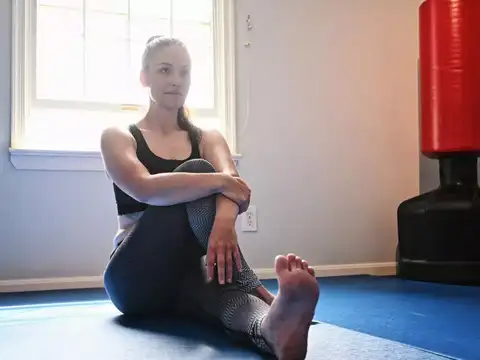
Isometric quad set for knees
Sit with legs straight. Tighten the front thigh muscle. Hold 5 to 10 seconds. Relax. Do 10 reps each leg, twice daily. This supports the kneecap and lowers pain without joint motion. Helpful for knee osteoarthritis. Build holds over weeks.
Amazon Top Deals
POWERED BY

4/6
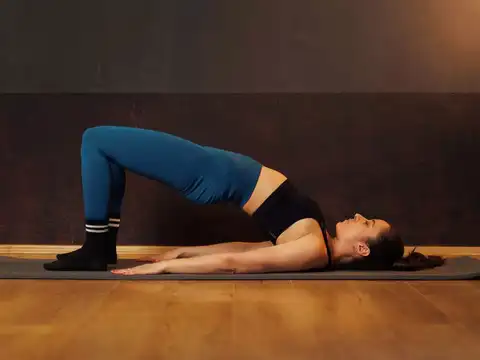
Hip and glute bridge
Lie on your back, knees bent, feet hip width. Squeeze glutes and lift hips until the body is a straight line. Hold 2 seconds. Lower slowly. Do 8 to 12 reps. Strong hips unload the knee and support walking and stairs.
5/6
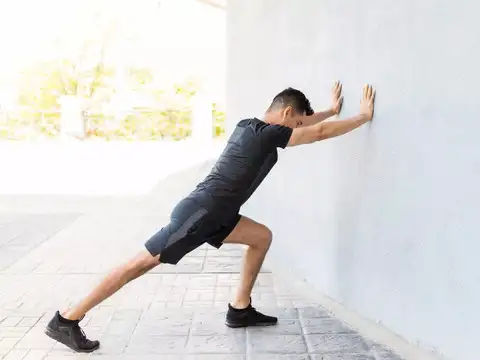
Calf and hamstring stretch
Stand facing a wall. One leg back for calf stretch 20 seconds. Switch sides. For hamstrings, place heel on a step. Hinge forward with a straight back 20 seconds. Never bounce. Flexible calves and hamstrings reduce knee and back strain.

6/6
Low impact cardio
Choose walking, cycling, or water exercise for 20 to 30 minutes most days. You should be able to talk while moving. Cardio lowers stiffness, improves mood, and helps weight control which eases joint load. Start with 10 minutes and build up.
(Disclaimer: This story is strictly for educational purposes only and does not substitute any professional medical advice and should not be considered as professional medical advice.)
(Disclaimer: This story is strictly for educational purposes only and does not substitute any professional medical advice and should not be considered as professional medical advice.)