
5 everyday habits quietly harming liver (and how to fix them)
1/6
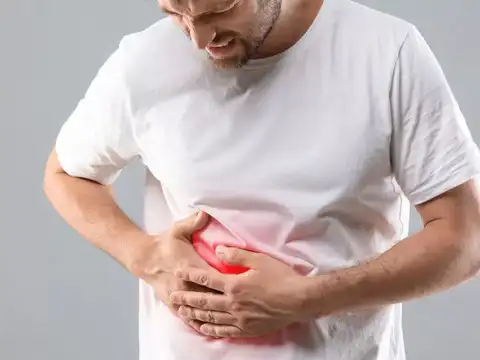
Habits that are draining your liver
Your liver filters blood, processes nutrients, and clears toxins all day; damage often builds silently until tests rise or symptoms appear, so everyday choices matter far more than one‑off “detoxes.” In simple terms: lower sugar, limit alcohol, move more, and be careful with medicines to protect this hard‑working organ.

2/6
Drinking more alcohol than you think
Why it harms: Alcohol is broken down into toxic by‑products that injure liver cells; over years this can progress from fatty liver to inflammation and scarring called cirrhosis. Even “moderate” intake adds up alongside other risks like obesity or certain drugs.Simple fix: Set a weekly cap (for example, no more than 14 standard drinks per week) and keep alcohol‑free days; avoid combining alcohol with painkillers. If liver enzymes are high, the safest target is zero.

3/6
Ultra‑processed, high‑sugar eating
Why it harms: Sugary drinks and refined snacks push the liver to make fat inside itself, a condition now called metabolic dysfunction‑associated steatotic liver disease (MASLD), formerly non‑alcoholic fatty liver disease; this raises risks for diabetes and heart disease too.Simple fix: Swap sodas and sweets for water and fruit; build plates around vegetables, pulses, whole grains, nuts, seeds, and fish—patterns shown to lower liver fat and improve blood sugars and cholesterol.
Amazon Top Deals
POWERED BY

Crompton Ozone 75 Litres Desert Air Cooler for home | Large & Easy Clean Ice Chamber | 4-Way Air Deflection | High Density Honeycomb Pads | Everlast Pump | Auto Fill| 3 Year Brand Warranty
₹9,798Buy Now43%
OFF

atomberg Studio Smart+ 1200mm BLDC Ceiling Fan with IoT & Remote | BEE 5 star Rated Energy Efficient Ceiling Fan | High Air Delivery with LED Indicators | 3 Year Warranty (Earth Brown)
₹5,882Buy Now36%
OFF

LG 32 L Convection Microwave Oven (MC3286BRUM, Black, 360° Motorised Rotisserie for Bar-be-queing, 301 Auto Cook Menu, Stainless steel cavity, Indian Cuisine, Tandoor Se, Steam Clean & Diet Fry)
₹19,340Buy Now19%
OFF
4/6
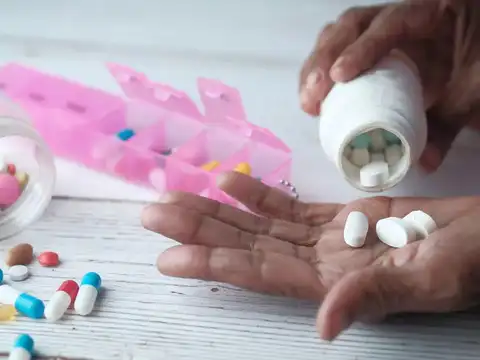
Overusing painkillers or “natural” pills
Why it harms: Acetaminophen, also called paracetamol, is safe only at label doses; small overdoses or mixing with alcohol can cause dangerous, sudden liver injury. Some unregulated herbal products and multi‑ingredient supplements also strain the liver.Simple fix: Read every label, track total daily milligrams, avoid doubling products, and do not mix with alcohol; for chronic aches, ask about non‑drug options and use only reputable, single‑ingredient supplements when needed.

5/6
Sitting most of the day
Why it harms: Physical inactivity drives weight gain, insulin resistance, and fat buildup in the liver; studies show inactivity and alcohol together sharply increase the chance of fatty liver.Simple fix: Aim for at least 150 minutes per week of moderate activity (for example, brisk walking), add two short strength sessions, and break up long sitting with 2–3 minute movement “snacks” each hour. Even small increases help.

6/6
Smoking and secondhand smoke
Why it harms: Smoking worsens liver inflammation and, together with alcohol, raises abnormal enzyme levels linked with broader heart and stroke risks; secondhand smoke also adds strain.Simple fix: Set a quit date, use nicotine replacement or prescribed medicines, and seek support; even partial reduction improves liver markers, and a smoke‑free home protects family members too.
(Disclaimer: This story is not for professional medical advice and does not substitute any medical advice. This is strictly for educational purposes alone.)
(Disclaimer: This story is not for professional medical advice and does not substitute any medical advice. This is strictly for educational purposes alone.)