
5 everyday foods linked to raising blood pressure and should be eaten with caution

1/6
Everyday foods that push blood pressure up
Some of the most familiar items in daily diets quietly raise blood pressure through high sodium, added sugars, saturated fat, or stimulants, increasing long‑term hypertension risk. This story highlights five common culprits identified by major medical and nutrition sources to help make informed choices.

2/6
Sugary drinks and energy drinks
Sugar‑sweetened beverages and energy drinks are associated with higher blood pressure via weight gain, insulin spikes, and stimulant effects; caffeine in energy drinks can acutely raise arterial pressure in trials and reviews.

3/6
Processed meats and deli cuts
Processed meats concentrate sodium and preservatives that promote water retention and vascular strain, with multiple clinical and public‑health guides listing them among top contributors to hypertension risk.
Amazon Top Deals
POWERED BY

Crompton Ozone 75 Litres Desert Air Cooler for home | Large & Easy Clean Ice Chamber | 4-Way Air Deflection | High Density Honeycomb Pads | Everlast Pump | Auto Fill| 3 Year Brand Warranty
₹9,798Buy Now43%
OFF

LG 32 L Convection Microwave Oven (MC3286BRUM, Black, 360° Motorised Rotisserie for Bar-be-queing, 301 Auto Cook Menu, Stainless steel cavity, Indian Cuisine, Tandoor Se, Steam Clean & Diet Fry)
₹19,340Buy Now19%
OFF

4/6
Pickles and high‑salt condiments
Pickled foods and salty condiments deliver large sodium doses in small servings, driving short‑term BP rises and long‑term hypertension risk according to cardiology and nutrition advisories.
5/6
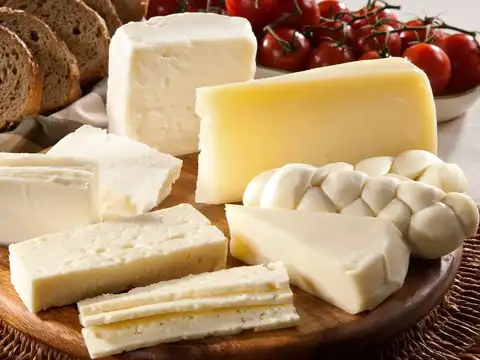
Cheese and salty bakery items
Aged and processed cheeses, breads, and baked goods are frequent hidden sodium sources; routine intake adds up and is tied to higher BP in dietary guidance from medical outlets.
6/6
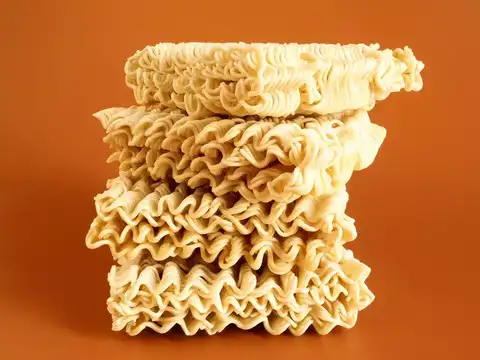
Instant noodles and packaged soups
Instant noodles and canned/packet soups often exceed half—or even most—of a day’s sodium in one serving, a pattern linked with elevated blood pressure in clinical reviews and consumer health guidance.
(Disclaimer: Not professional medical advice. For general education purposes only.)
(Disclaimer: Not professional medical advice. For general education purposes only.)