
5 effective ways to save your lungs from "severe" air pollution
1/6
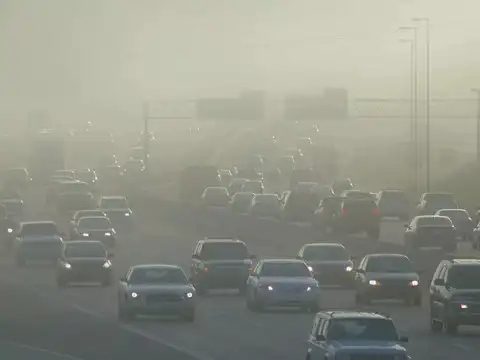
When AQI turns “severe”
Severe AQI means high PM2.5 that lodges deep in the lungs, aggravating asthma, COPD, heart risk, and infections; the goal is to cut your personal exposure with steps that are cheap, fast, and proven to work.
2/6
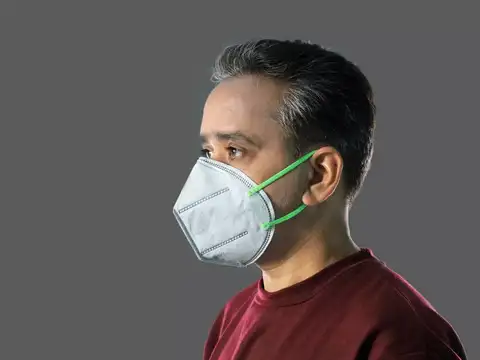
Wear the right mask, the right way
Use a certified N95/FFP2 mask with a snug seal across nose and cheeks; avoid cloth or surgical masks for PM2.5.Fit check: inhale—mask should collapse slightly; no gaps at nose bridge or jawline. Keep a clean, dry spare and replace when soiled or breathing feels harder.
3/6
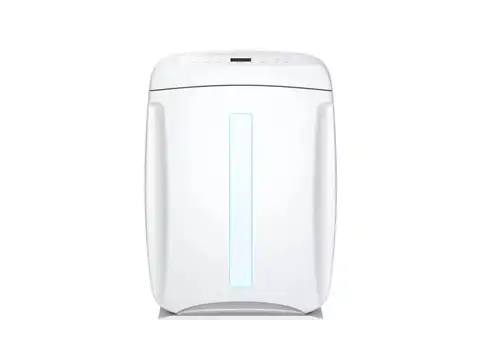
Clean the air you control (HEPA/DIY)
Run a true‑HEPA purifier sized for your room on medium or auto; close windows/doors during peaks.DIY hack: Tape a high‑efficiency HVAC filter (MERV 13+) on a pedestal fan intake for a budget “Corsi” box effect; place in the bedroom to improve overnight air.
Amazon Top Deals
POWERED BY


4/6
Time your outdoors, move smart
Schedule errands and workouts when AQI dips (often mid‑to‑late morning after the early spike; recheck local patterns).Reduce intensity outdoors on severe days; prefer indoor exercise with filtered air to avoid deeper, faster breathing of particulates.
5/6
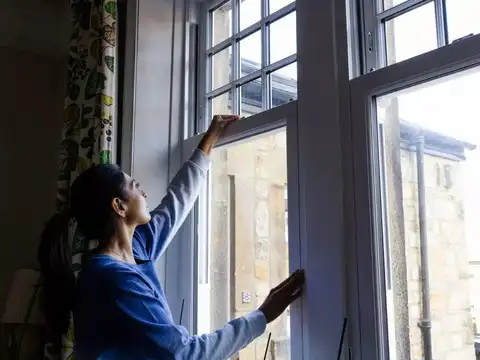
Seal your micro‑environment
Shut windows during peak hours; use door draft stoppers, window seals, and thick curtains to cut infiltration.Avoid indoor smoke: no incense, diyas indoors for long, mosquito coils, frying fumes, or smoking; use kitchen exhaust on high and keep a pan lid handy.

6/6
Support your airways (daily care)
Hydrate well and do gentle steam inhalation or saline nasal irrigation to clear particulates from upper airways.If you have asthma/COPD, keep preventer inhalers on schedule and carry reliever as per your written action plan; seek medical advice early for worsening symptoms.
(Disclaimer: Not professional medical advice. Only for general educational purposes.)
(Disclaimer: Not professional medical advice. Only for general educational purposes.)