
5 easy yoga asanas to help stop headaches naturally
1/5
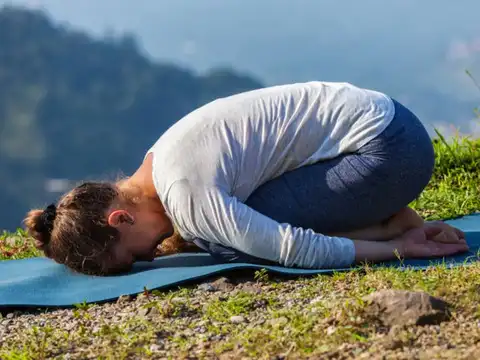
Balasana (Child’s Pose)
Sometimes headaches get worse because the body and mind are overstimulated. Balasana helps slow things down almost instantly by relaxing the neck, shoulders and back.
Sit on your heels, stretch your arms forward and rest your forehead on the floor. Take slow deep breaths for 1–2 minutes. This pose is especially helpful after a stressful office day or long commute.
Sit on your heels, stretch your arms forward and rest your forehead on the floor. Take slow deep breaths for 1–2 minutes. This pose is especially helpful after a stressful office day or long commute.
2/5
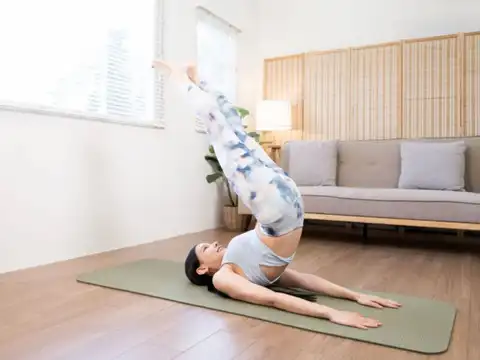
Viparita Karani (Legs-Up-The-Wall Pose)
This is one of the easiest yet most relaxing yoga poses for headache relief. It helps calm tired legs, reduce body fatigue and relax the nervous system.
Lie down near a wall and raise your legs straight up against it. Rest your arms beside you and close your eyes for a few minutes. Many people find this pose soothing after spending hours standing, travelling or working on laptops.
Lie down near a wall and raise your legs straight up against it. Rest your arms beside you and close your eyes for a few minutes. Many people find this pose soothing after spending hours standing, travelling or working on laptops.
3/5
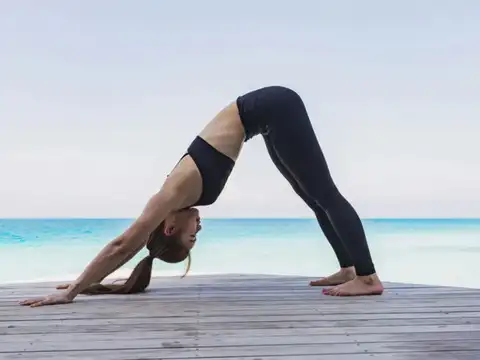
Adho Mukha Svanasana (Downward Dog)
Tension around the shoulders and upper back often triggers headaches. This yoga pose gently stretches the spine and improves circulation towards the head.
Place your hands and feet on the floor and lift your hips upward to form an inverted “V” shape. Hold the posture for a few breaths without straining your neck.
Place your hands and feet on the floor and lift your hips upward to form an inverted “V” shape. Hold the posture for a few breaths without straining your neck.
Amazon Top Deals
POWERED BY

4/5
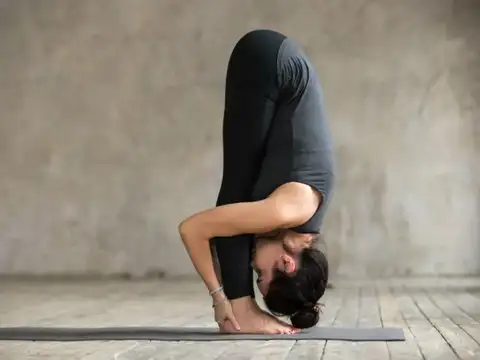
Uttanasana (Standing Forward Bend)
This simple forward bend helps release tightness around the neck and shoulders — two common causes of headaches in people who sit for long hours.
Stand straight and slowly bend forward from the waist, letting your head hang naturally. Do not force yourself to touch the floor. Stay relaxed and breathe slowly.
Stand straight and slowly bend forward from the waist, letting your head hang naturally. Do not force yourself to touch the floor. Stay relaxed and breathe slowly.
5/5
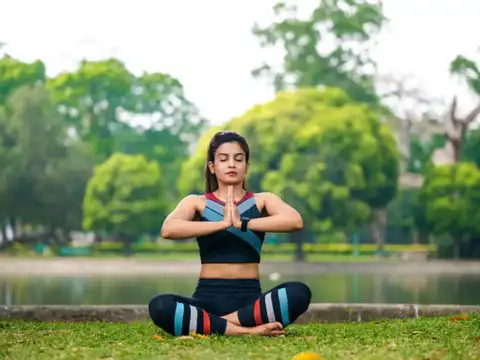
Sukhasana with Deep Breathing
Sometimes the headache is less physical and more stress-related. Sitting quietly and focusing on breathing can help calm the body surprisingly fast.
Sit cross-legged comfortably, close your eyes and inhale deeply through the nose. Exhale slowly and repeat for 3–5 minutes. This simple practice works well during work breaks or before sleeping.
(Disclaimer: This story is for educational purposes alone and should not be considered as professional medical advice and does not substitute any medical advice.)
Sit cross-legged comfortably, close your eyes and inhale deeply through the nose. Exhale slowly and repeat for 3–5 minutes. This simple practice works well during work breaks or before sleeping.
(Disclaimer: This story is for educational purposes alone and should not be considered as professional medical advice and does not substitute any medical advice.)