
5 early signs of dementia that are not memory loss
1/6
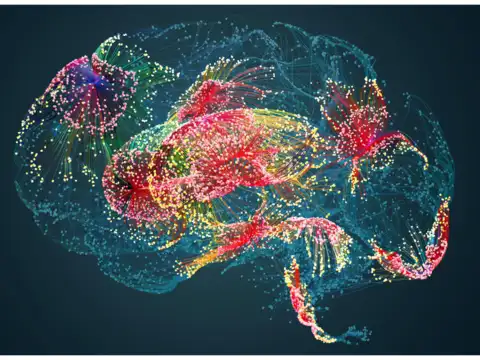
Subtle signs
Dementia is often linked to memory loss, but its earliest signs are more subtle.. Alzheimer’s Disease International reports that dementia cases in India are expected to triple by 2050. Doctors warn that spotting early signs beyond memory loss is crucial for slowing its progression.

2/6
Subtle personality shifts
Mayo Clinic notes that early dementia can appear as increased irritability, withdrawal, or loss of empathy. These changes are often dismissed as mood swings but can signal early brain changes.

3/6
Struggling to plan or organise
According to Alzheimer’s Association, difficulty in following familiar steps, managing bills, or organising tasks can be an early dementia clue, showing disruption in the brain’s executive function.
Amazon Top Deals
POWERED BY

Crompton Ozone 75 Litres Desert Air Cooler for home | Large & Easy Clean Ice Chamber | 4-Way Air Deflection | High Density Honeycomb Pads | Everlast Pump | Auto Fill| 3 Year Brand Warranty
₹9,798Buy Now43%
OFF

LG 32 L Convection Microwave Oven (MC3286BRUM, Black, 360° Motorised Rotisserie for Bar-be-queing, 301 Auto Cook Menu, Stainless steel cavity, Indian Cuisine, Tandoor Se, Steam Clean & Diet Fry)
₹19,340Buy Now19%
OFF

4/6
Poor judgement and risky decisions
Doctors say that repeatedly falling for scams, dressing inappropriately for weather, or making unsafe financial choices may reflect dementia-related judgement decline.
5/6
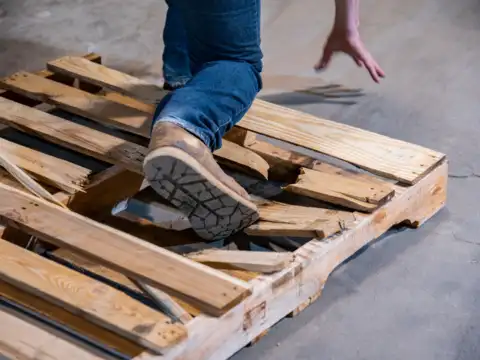
Trouble interpreting visual information
Cleveland Clinic highlights that misjudging distances, tripping often, or struggling to read could reflect visual-spatial processing issues — a lesser-known early sign of dementia affecting the brain’s occipital lobe.

6/6
Slower movement or clumsiness
The World Health Organization states that early motor changes like stiffness, slower walking, or dropping objects more often can occur in dementia as brain regions controlling movement begin to decline.
(Disclaimer: This content is for educational purposes only and not a substitute for professional medical advice.)
(Disclaimer: This content is for educational purposes only and not a substitute for professional medical advice.)