
5 bird sanctuaries every nature lover must visit
1/6
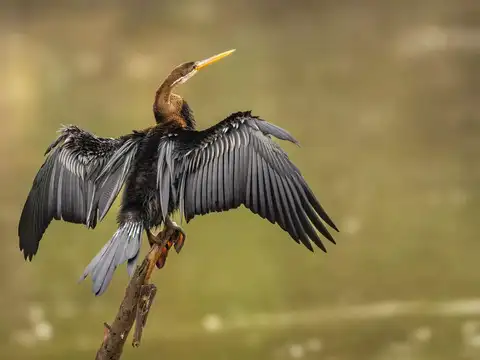
Bird sanctuaries in India
India sits on major flyways, so wetlands and river islands turn spectacular between November and February, with easy day trips near Delhi, Ahmedabad, Mysuru, and Bhubaneswar making these five perfect for first‑time and seasoned birders alike.
2/6
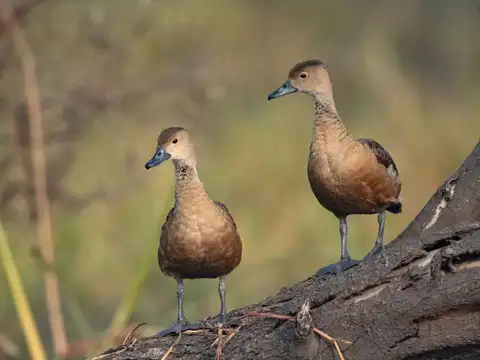
Keoladeo (Bharatpur), Rajasthan
A UNESCO‑listed wetland famous for painted storks, pelicans, bar‑headed geese, ducks, and winter migrants, with rickshaw or cycling trails that suit families and photographers.Best time and tips: November–February is peak migration; arrive at sunrise for flights and feeding, and book a local guide for species calls and nest sites.
3/6
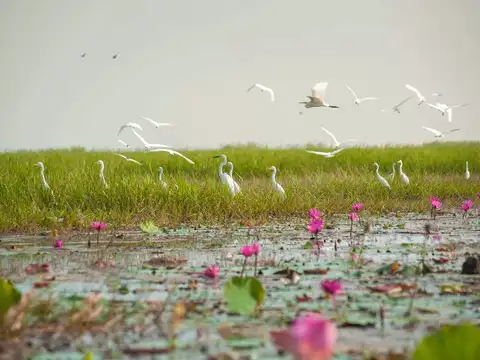
Chilika Lake (Mangalajodi), Odisha
Asia’s largest coastal lagoon hosts vast flocks of ducks, waders, and raptors; Mangalajodi’s low‑boat rides bring close, slow encounters ideal for long lenses.Best time and tips: December–January is prime; carry a windbreaker for boat rides, and plan dawn sessions when birds feed near reeds.
Amazon Top Deals
POWERED BY

4/6
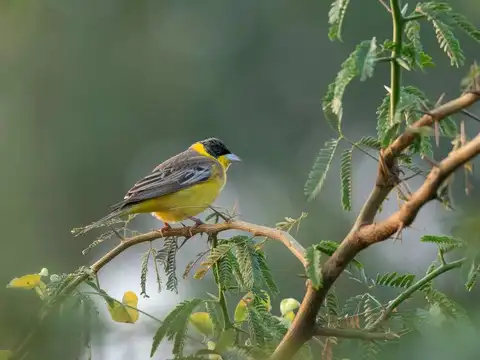
Nal Sarovar, Gujarat
A sprawling wetland near Ahmedabad with flamingos, pelicans, cranes, and ducks over mirror‑calm water that’s perfect for reflections and wide panoramas.Best time and tips: November–February delivers both light and numbers; hire park boats at first light to reach mid‑lake roosts early.
5/6
Ranganathittu, Karnataka
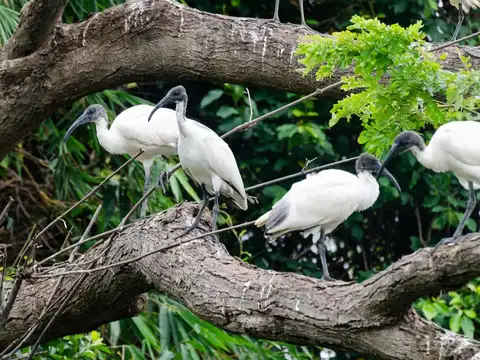
Riverine islets near Mysuru packed with painted storks, spoonbills, cormorants, and kingfishers, offering close boat‑based views in soft morning light.Best time and tips: November–February is reliable for migrants; boating hours vary with river levels, so check timings the day before.
6/6
Sultanpur, Haryana (near Delhi)
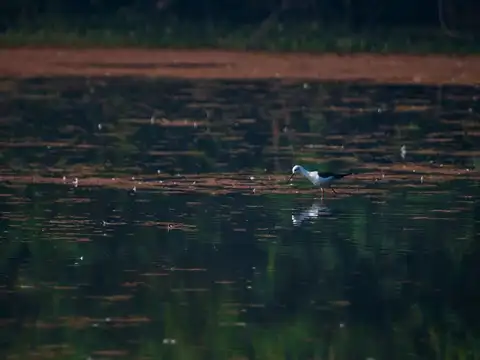
An easy Delhi‑NCR day trip for geese, storks, ducks, and harriers, with a flat loop trail that’s beginner‑friendly and great for spotting scopes.Best time and tips: Visit December–February on crisp mornings; carry binoculars and walk clockwise to keep the sun behind you on most angles.