
5 best exercises for lung health you must try

1/6
Why this matters
Better breathing isn’t only about lungs; training the diaphragm and pacing activity improves oxygen delivery, stamina, and recovery, helping daily tasks feel easier and reducing breathlessness episodes.

2/6
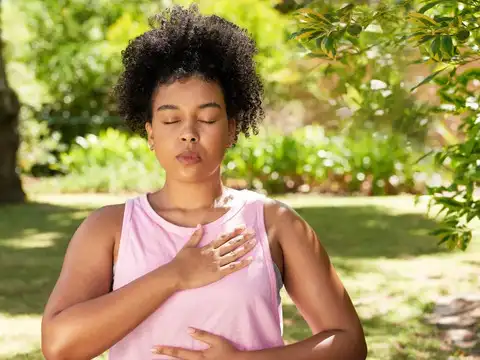
Diaphragmatic (belly) breathing
Slow, deep inhales through the nose letting the belly rise, relaxed exhale letting the belly fall; one hand on chest, one on abdomen to cue mechanics.How to do it: 5–10 minutes, 1–2 times daily; inhale 4–5 counts, exhale 4–6 counts; keep shoulders soft and chest quiet.Why it helps: Strengthens the primary breathing muscle and reduces shallow chest breathing patterns.
3/6
Pursed‑lip breathing
Inhale gently through the nose, then exhale through lips as if blowing out a candle.How to do it: Ratio about 1 count in, 2 counts out; use during climbs, housework, or any time breathlessness builds.Why it helps: Creates back‑pressure in airways, slowing exhalation and improving gas exchange so air doesn’t “trap.”
Amazon Top Deals
POWERED BY


4/6
Interval walking (aerobic base)
Alternating easy and brisk walking to raise heart and breathing rate without overexertion.How to do it: 3–5 minutes easy, 1–2 minutes brisk; repeat 5–8 cycles, 4–5 days/week; keep a pace where talking is possible but singing is hard.Why it helps: Aerobic conditioning increases lung ventilation, circulation, and mitochondrial efficiency.

5/6
Box breathing (4‑4‑4‑4)
Breath control sequence used for focus and recovery: inhale 4, hold 4, exhale 4, hold 4.How to do it: 2–5 minutes before meetings, workouts, or sleep; sit tall, relax jaw, expand ribs gently on inhalation.Why it helps: Trains controlled ventilation, reduces anxiety‑linked overbreathing, and supports steadier respiratory rhythm.

6/6
Inspiratory muscle training (with device or straw hack)
Breathing against light resistance to strengthen inhalation muscles.How to do it: With a trainer device set to low resistance, 30 breaths, 5–7 days/week; or practice slow inhales through a narrow straw as a basic alternative.Why it helps: Targeted loading of inspiratory muscles can improve endurance and reduce perceived exertion in daily activity.
(Disclaimer: Not professional medical advice. For general educational purposes only.)
(Disclaimer: Not professional medical advice. For general educational purposes only.)
READ MORE:
exercises for lung health |lung health activities |activities for lung health |breathing exercise for lung health |interval walking for lung health |lung health gym workouts |benefits of interval walking |japanese interval walking method benefits |interval walking vs ordinary walking |cure breathlessness