
4 signs of hypoglycemia and 4 simple fixes to keep blood sugar in check
1/9
The Silent Sugar Drop
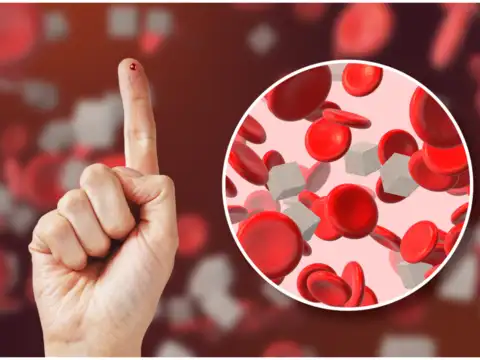
Hypoglycemia happens when blood glucose dips below normal, often unexpectedly. Catching it early is crucial to avoid fainting, confusion, or long-term health risks. Here’s what to watch for and how to prevent it.

2/9
Sign 1: Sudden Dizziness
A rapid drop in glucose can starve your brain of energy, triggering dizziness or light-headedness. It’s often the first warning that your blood sugar is slipping too low.

3/9
Sign 2: Shakiness and Sweating
Low sugar triggers adrenaline release, making your hands tremble and sweat pour. This fight-or-flight response is your body’s urgent call for fuel.
Amazon Top Deals
POWERED BY

Crompton Ozone 75 Litres Desert Air Cooler for home | Large & Easy Clean Ice Chamber | 4-Way Air Deflection | High Density Honeycomb Pads | Everlast Pump | Auto Fill| 3 Year Brand Warranty
₹9,798Buy Now43%
OFF

atomberg Studio Smart+ 1200mm BLDC Ceiling Fan with IoT & Remote | BEE 5 star Rated Energy Efficient Ceiling Fan | High Air Delivery with LED Indicators | 3 Year Warranty (Earth Brown)
₹5,903Buy Now36%
OFF

LG 32 L Convection Microwave Oven (MC3286BRUM, Black, 360° Motorised Rotisserie for Bar-be-queing, 301 Auto Cook Menu, Stainless steel cavity, Indian Cuisine, Tandoor Se, Steam Clean & Diet Fry)
₹19,340Buy Now19%
OFF

4/9
Sign 3: Irritability or Confusion
Brain cells rely on glucose. When it’s scarce, mood swings, irritability, or sudden mental fog can strike, often mistaken for stress or fatigue.

5/9
Sign 4: Blurred Vision
Your eyes are highly sensitive to sugar dips. Temporary blurred or double vision can appear during hypoglycaemia — a sign your brain needs glucose fast.

6/9
Fix 1: Eat Small, Regular Meals
Spacing out meals evenly (every 3–4 hours) keeps blood glucose stable. Include whole grains and protein for slow, sustained energy release.

7/9
Fix 2: Carry Healthy Snacks
Keep nuts, fruit, or protein bars handy. A quick bite during long gaps or heavy activity prevents sudden sugar crashes.

8/9
Fix 3: Don’t Skip Breakfast
A balanced breakfast jumpstarts blood glucose for the day. Skipping it can cause mid-morning crashes that mimic Hypoglycemia symptoms.

9/9
Fix 4: Balance Exercise With Fuel
Working out on an empty stomach can trigger lows. Eat a light carb + protein snack before activity to avoid dangerous drops.
(Disclaimer: This content is for informational purposes only and not a substitute for medical advice. If you experience recurrent low blood sugar episodes, consult a doctor for personalised evaluation and care.)
(Disclaimer: This content is for informational purposes only and not a substitute for medical advice. If you experience recurrent low blood sugar episodes, consult a doctor for personalised evaluation and care.)