
4 best fruits for vision protection and long‑term eye health

1/5
Fruits help long-term eye health
Vision ages as the retina and lens face light exposure and oxidative stress; certain fruit nutrients act like internal “sunglasses” and repair support. Lutein and zeaxanthin concentrate in the macula, while vitamin C and other antioxidants sup
2/5
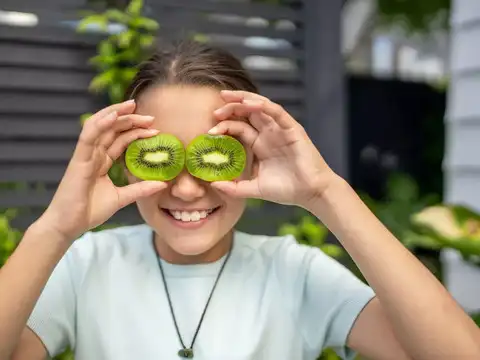
Kiwi: vitamin C powerhouse
What it does: High vitamin C supports the lens and eye blood vessels, with higher fruit/veg and vitamin C intakes associated with fewer cataracts in population data.How much/how to use: 1 kiwi daily or 5–7 per week; add to breakfast, salads, or a quick snack. A steady habit matters more than megadoses.

3/5
Oranges and citrus: daily C for the lens
What it does: Citrus delivers vitamin C and flavonoids; higher fruit intake, including citrus, is linked to lower cataract risk in cohort studies, though results vary by population.How much/how to use: 1 orange or a cup of segments a day, or several days a week; pair with nuts or yogurt to make it a balanced snack.
Amazon Top Deals
POWERED BY

Crompton Ozone 75 Litres Desert Air Cooler for home | Large & Easy Clean Ice Chamber | 4-Way Air Deflection | High Density Honeycomb Pads | Everlast Pump | Auto Fill| 3 Year Brand Warranty
₹9,798Buy Now43%
OFF

LG 32 L Convection Microwave Oven (MC3286BRUM, Black, 360° Motorised Rotisserie for Bar-be-queing, 301 Auto Cook Menu, Stainless steel cavity, Indian Cuisine, Tandoor Se, Steam Clean & Diet Fry)
₹19,340Buy Now19%
OFF
4/5
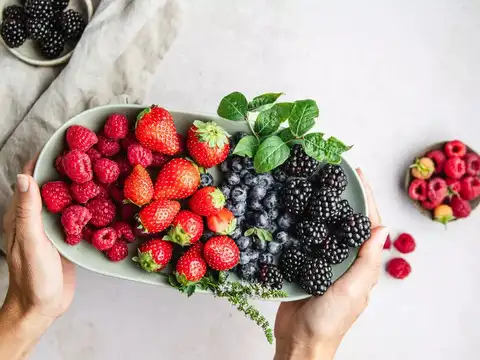
Kiwiberry/blackcurrant/berries rich in lutein/zeaxanthin
What it does: Among fruits, blackcurrant, kiwi, blackberries and some berries contribute lutein/zeaxanthin—the macular pigments that filter blue light and support retinal health. Fruits have less than leafy greens but still help overall intake.How much/how to use: 1 cup mixed berries 3–5 days a week; sprinkle over oats, curd, or blend into smoothies. Consistency raises dietary xanthophylls.
5/5
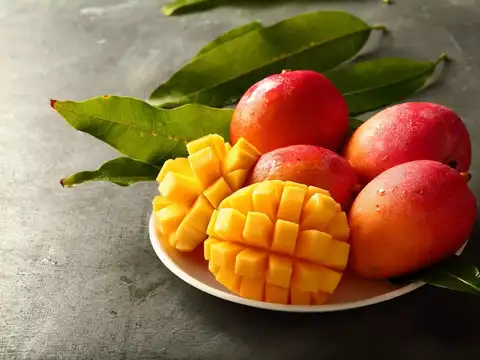
Mango: provitamin A carotenoids
What it does: Mango provides beta‑carotene and other carotenoids, supporting vitamin A status for the cornea and low‑light vision, while adding antioxidants that complement lutein/zeaxanthin.How much/how to use: 1 cup mango cubes a few times a week in season; off‑season, rotate papaya or orange fruits to maintain carotenoid variety.
(Disclaimer: This story is not for professional medical advice and does not substitute any medical advice. This is strictly for educational purposes alone.)
(Disclaimer: This story is not for professional medical advice and does not substitute any medical advice. This is strictly for educational purposes alone.)