
11th hour, 11th day, 11th month (11/11/11): why the world stands still at this hour and what it means actually
1/7
11th hour, 11th day, 11th month: the day the guns stopped
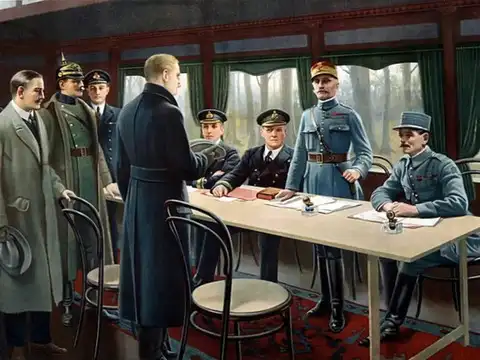
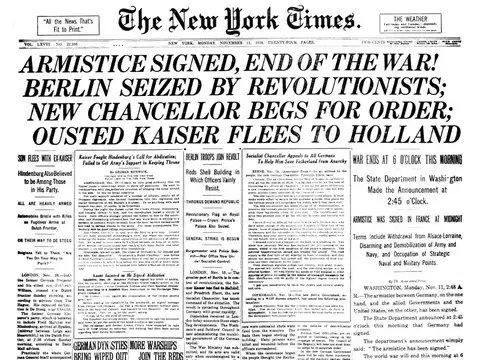
On 11 November 1918, the Armistice—an agreement to stop fighting as a prelude to peace—came into force at 11:00 after being signed at dawn in a railway carriage in the Forest of Compiègne, France. The phrase “the 11th hour of the 11th day of the 11th month” captured that precise moment—and later became the symbol of remembrance.
2/7
What is an armistice?
Armistice comes from Latin meaning “to stand (still) arms,” a temporary halt to hostilities while a peace is negotiated, not a full surrender or final treaty. In 1918 it halted fighting between the Allied powers and Germany across land, sea, and air.
3/7
How the 11/11 time was set
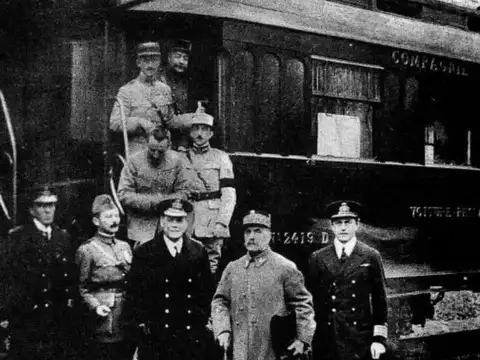
Negotiations concluded around 5 a.m. Central European Time on 11 November inside Marshal Ferdinand Foch’s rail car, in the Compiègne Forest, north-east of Paris; orders were sent that all hostilities would cease at 11:00, giving six hours to notify front-line units stretched across hundreds of kilometres.
Amazon Top Deals
POWERED BY

Crompton Ozone 75 Litres Desert Air Cooler for home | Large & Easy Clean Ice Chamber | 4-Way Air Deflection | High Density Honeycomb Pads | Everlast Pump | Auto Fill| 3 Year Brand Warranty
₹9,798Buy Now43%
OFF

LG 32 L Convection Microwave Oven (MC3286BRUM, Black, 360° Motorised Rotisserie for Bar-be-queing, 301 Auto Cook Menu, Stainless steel cavity, Indian Cuisine, Tandoor Se, Steam Clean & Diet Fry)
₹19,340Buy Now19%
OFF
4/7
The last morning in the trenches
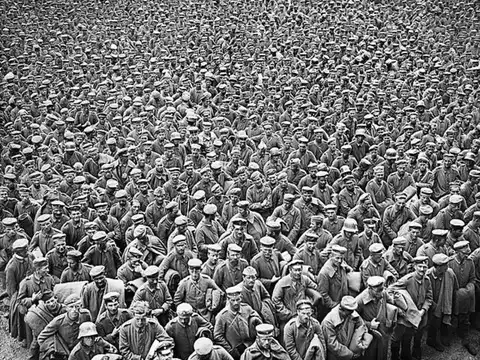
For soldiers in the mud and wire, that morning mixed dread, disbelief, and a rush to survive until 11:00; shelling and patrols continued right up to the deadline. The last morning was surreal: some units still fought and even attacked up to 10:59 a.m., and an estimated thousands were killed or wounded that final day; then, silence replaced artillery thunderstorms that had lasted four years, after 1,500+ days of war. Many described the silence as thunderous.
5/7
What the armistice did—and didn’t do
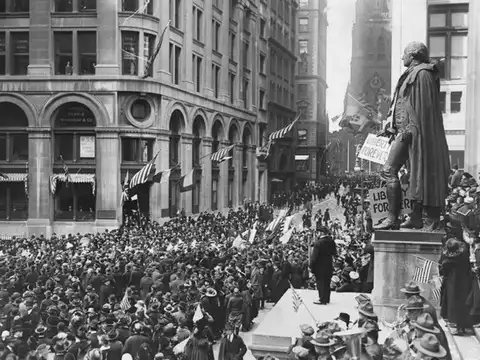
The Armistice halted fighting but was not a full peace; Germany had to evacuate occupied territories and comply with strict military terms while the naval blockade largely continued. The formal peace came months later with the Treaty of Versailles, signed 28 June 1919 and taking effect in January 1920.
6/7
11/11: Armistice Day, Remembrance Day, Veterans Day
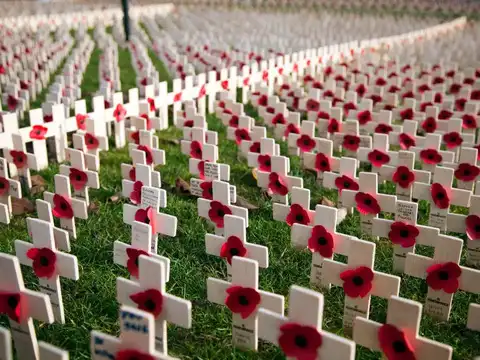
The date became Armistice Day, commemorated annually on 11 November; in many Commonwealth countries it evolved into Remembrance Day, while in the United States it became Veterans Day, honoring military service. For men who had lived through artillery barrages, gas alarms, trench foot, and constant loss, 11:00 meant survival and a chance to live—yet also grief for comrades who did not see that hour. The silence honoured both relief and mourning in equal measure.
7/7
How 11/11 is observed today
Many countries mark a two minutes’ silence at 11:00 on 11 November, lay wreaths of poppies, and read names at cenotaphs; some also observe Remembrance Sunday on the closest Sunday to include wider commemorations.