
6 everyday foods related to poor circulation efficiency
1/4
Understanding Circulation & Food's Silent Role
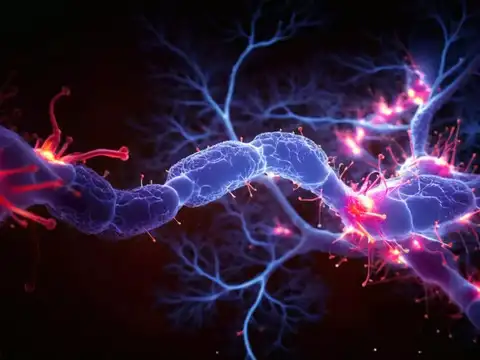
Blood circulation powers every heartbeat, every breath, every step you take. When arteries narrow and plaque builds up, oxygen reaches your organs slower. Six foods quietly orchestrate this damage. Your kitchen choices determine whether your blood flows freely or gets strangled. Let's expose them.
2/4
Processed Meats & Fried Foods: The Double Assault
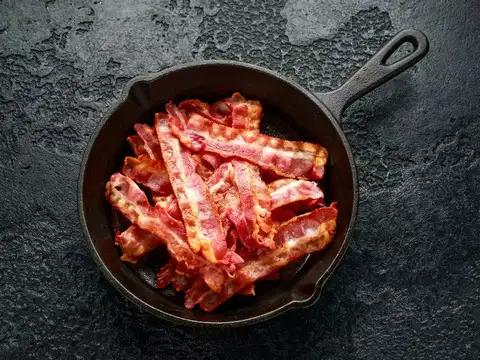
Bacon, sausages, hot dogs pack sodium and saturated fat that hardens artery walls. Meanwhile, fried chicken and French fries absorb dangerous trans fats during cooking. Both trigger inflammation, thicken blood vessel walls, and spike blood pressure instantly. These foods don't just taste good; they literally constrict your circulatory pathways within hours of consumption.

3/4
Sugary Snacks & Refined Carbs: The Insulin Trap
Soda, candy, white bread cause blood sugar spikes that damage vessel linings. Your pancreas releases insulin to compensate, eventually making cells resistant to it. This metabolic dysfunction disrupts how your body handles glucose and salts, forcing your heart to work harder and blood to flow sluggish. Belly fat accumulation from excess sugar particularly endangers circulation in older adults.
Amazon Top Deals
POWERED BY

Crompton Ozone 75 Litres Desert Air Cooler for home | Large & Easy Clean Ice Chamber | 4-Way Air Deflection | High Density Honeycomb Pads | Everlast Pump | Auto Fill| 3 Year Brand Warranty
₹9,798Buy Now43%
OFF

atomberg Studio Smart+ 1200mm BLDC Ceiling Fan with IoT & Remote | BEE 5 star Rated Energy Efficient Ceiling Fan | High Air Delivery with LED Indicators | 3 Year Warranty (Earth Brown)
₹5,903Buy Now36%
OFF

LG 32 L Convection Microwave Oven (MC3286BRUM, Black, 360° Motorised Rotisserie for Bar-be-queing, 301 Auto Cook Menu, Stainless steel cavity, Indian Cuisine, Tandoor Se, Steam Clean & Diet Fry)
₹19,340Buy Now19%
OFF
4/4
Full-Fat Dairy & Sugary Drinks: Cholesterol Accumulation
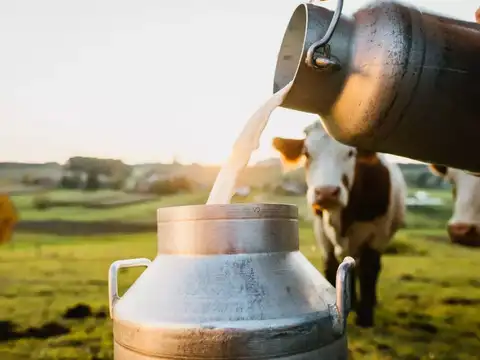
Whole milk, butter, full-fat cheese contain cholesterol that settles inside arteries like sludge. Sugary beverages compound this by promoting obesity and inflammation. Together, they create the perfect storm: narrowed passages, reduced oxygen delivery, increased clot risk. Swapping to low-fat alternatives or plant-based options reverses this trajectory genuinely, allowing blood to circulate with restored efficacy.
(Disclaimer: This story is for educational purposes alone and should not be considered as professional medical advice and does not substitute any medical advice.)
(Disclaimer: This story is for educational purposes alone and should not be considered as professional medical advice and does not substitute any medical advice.)
READ MORE:
poor circulation foods to avoid |blood flow circulation diet |foods that clog arteries |bad foods for cardiovascular health |foods damaging blood circulation |what causes poor circulation diet |foods worsening circulation problems |heart health foods to avoid |blood vessel damage foods |circulation problems diet changes