
7 Powerful plants that can boost hair growth & health naturally
1/7
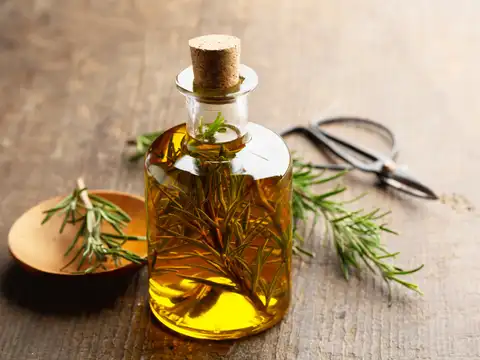
Rosemary
Best for: Hair growth and reducing hair thinning
One of the most researched herbs for hair growth, rosemary may improve blood circulation to the scalp and has been shown in some studies to perform similarly to minoxidil for certain types of hair loss over time.
Available as: Essential oil, hair oil, shampoo, serum, dried herbHow to use: Dilute a few drops of rosemary essential oil in a carrier oil (like coconut or jojoba) and massage into the scalp 2–3 times a week. It is also commonly found in hair-care products.
One of the most researched herbs for hair growth, rosemary may improve blood circulation to the scalp and has been shown in some studies to perform similarly to minoxidil for certain types of hair loss over time.
Available as: Essential oil, hair oil, shampoo, serum, dried herbHow to use: Dilute a few drops of rosemary essential oil in a carrier oil (like coconut or jojoba) and massage into the scalp 2–3 times a week. It is also commonly found in hair-care products.
2/7
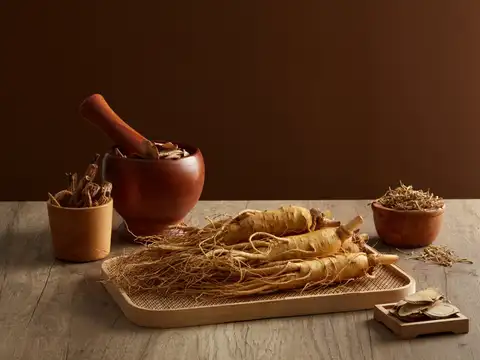
Panax ginseng
Best for: Stimulating hair follicles
Panax ginseng contains ginsenosides, compounds believed to support hair follicle activity and prolong the hair growth phase. Research suggests it may help reduce hair shedding.Available as: Hair serums, shampoos, capsules, extractsHow to use: Apply ginseng-infused hair products directly to the scalp or use extracts as directed. Oral supplements should only be taken after consulting a healthcare professional.
Panax ginseng contains ginsenosides, compounds believed to support hair follicle activity and prolong the hair growth phase. Research suggests it may help reduce hair shedding.Available as: Hair serums, shampoos, capsules, extractsHow to use: Apply ginseng-infused hair products directly to the scalp or use extracts as directed. Oral supplements should only be taken after consulting a healthcare professional.
3/7
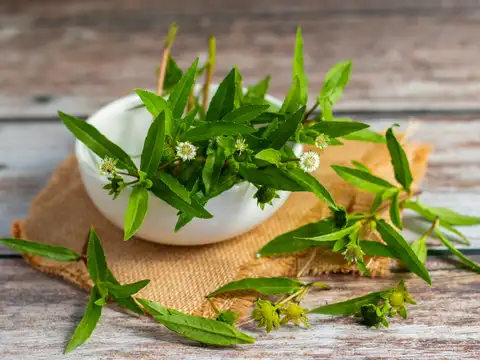
Bhringraj
Best for: Hair fall and stronger roots
A staple in Ayurvedic hair care, bhringraj is traditionally used to reduce hair fall, nourish the scalp, and improve hair thickness. While human studies are limited, it remains a popular herbal remedy.Available as: Hair oil, powder, capsules, herbal formulationsHow to use: Massage bhringraj oil into the scalp 2–3 times weekly or prepare a hair mask using the powder.
A staple in Ayurvedic hair care, bhringraj is traditionally used to reduce hair fall, nourish the scalp, and improve hair thickness. While human studies are limited, it remains a popular herbal remedy.Available as: Hair oil, powder, capsules, herbal formulationsHow to use: Massage bhringraj oil into the scalp 2–3 times weekly or prepare a hair mask using the powder.
Amazon Top Deals
POWERED BY

Crompton Ozone 75 Litres Desert Air Cooler for home | Large & Easy Clean Ice Chamber | 4-Way Air Deflection | High Density Honeycomb Pads | Everlast Pump | Auto Fill| 3 Year Brand Warranty
₹9,798Buy Now43%
OFF

LG 32 L Convection Microwave Oven (MC3286BRUM, Black, 360° Motorised Rotisserie for Bar-be-queing, 301 Auto Cook Menu, Stainless steel cavity, Indian Cuisine, Tandoor Se, Steam Clean & Diet Fry)
₹19,090Buy Now20%
OFF
4/7
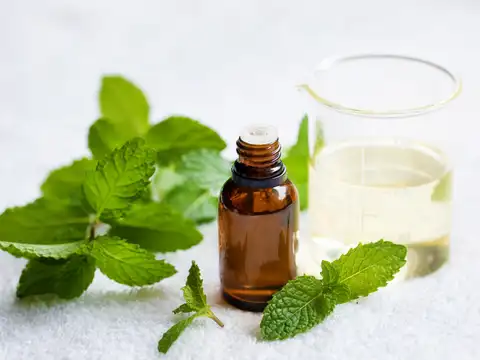
Peppermint
Best for: Improving scalp circulation
Peppermint oil creates a cooling sensation and may increase blood flow to the scalp. Animal studies suggest it can encourage hair growth, though more human research is needed.Available as: Essential oil, shampoo, scalp tonicHow to use: Mix 2–3 drops of peppermint essential oil with a carrier oil before applying to the scalp. Never use it undiluted.
Peppermint oil creates a cooling sensation and may increase blood flow to the scalp. Animal studies suggest it can encourage hair growth, though more human research is needed.Available as: Essential oil, shampoo, scalp tonicHow to use: Mix 2–3 drops of peppermint essential oil with a carrier oil before applying to the scalp. Never use it undiluted.
5/7
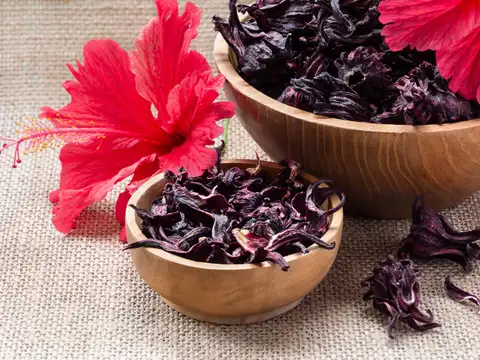
Hibiscus
Best for: Hair strength and shineHibiscus flowers and leaves are rich in antioxidants and are widely used in traditional remedies to condition hair, reduce breakage, and support a healthy scalp.
Available as: Hair oil, powder, shampoo, fresh flowers and leaves
How to use: Blend fresh petals and leaves into a paste for a weekly hair mask or use hibiscus-infused oil for scalp massage.
Available as: Hair oil, powder, shampoo, fresh flowers and leaves
How to use: Blend fresh petals and leaves into a paste for a weekly hair mask or use hibiscus-infused oil for scalp massage.
6/7
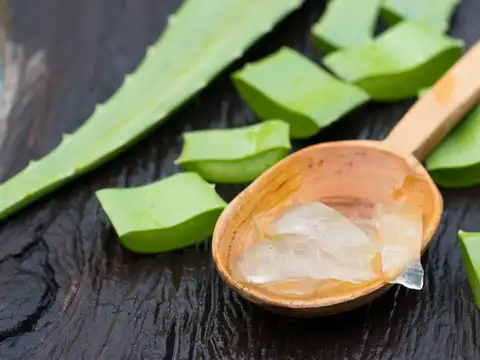
Aloe vera
Best for: Dry, itchy scalpAloe vera doesn't directly stimulate hair growth but helps maintain a healthy scalp by soothing irritation, reducing dandruff, and moisturizing both the scalp and hair.
Available as: Fresh gel, bottled gel, shampoo, conditioner, hair mask
How to use: Apply fresh aloe gel directly to the scalp for 20–30 minutes before washing it off.
Available as: Fresh gel, bottled gel, shampoo, conditioner, hair mask
How to use: Apply fresh aloe gel directly to the scalp for 20–30 minutes before washing it off.
7/7
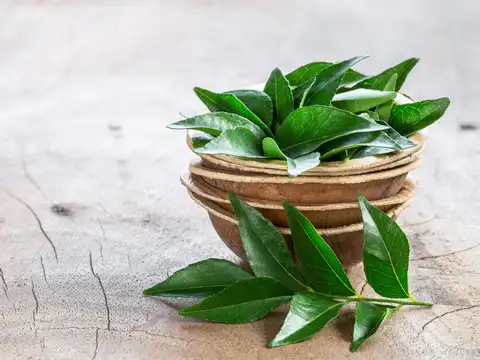
Curry leaf
Best for: Preventing hair damage and supporting healthy hair
Rich in antioxidants and nutrients, curry leaves are traditionally believed to strengthen hair roots and reduce premature greying. Scientific evidence for hair growth is limited, but they can support overall hair health.
Available as: Hair oil, powder, fresh leaves
How to use: Infuse fresh curry leaves in coconut oil or blend them into a paste and apply as a nourishing hair mask once a week.
Disclaimer: This article is for informational purposes only and not a substitute for professional medical advice. Always seek the advice of your doctor with any questions about a medical condition.
Rich in antioxidants and nutrients, curry leaves are traditionally believed to strengthen hair roots and reduce premature greying. Scientific evidence for hair growth is limited, but they can support overall hair health.
Available as: Hair oil, powder, fresh leaves
How to use: Infuse fresh curry leaves in coconut oil or blend them into a paste and apply as a nourishing hair mask once a week.
Disclaimer: This article is for informational purposes only and not a substitute for professional medical advice. Always seek the advice of your doctor with any questions about a medical condition.