Why FM Arun Jaitley must present a big bang Budget 2015
Budgets have usually been the platform for govts to signal major policy shifts, such as the seminal one in July 1991 when Manmohan Singh announced the dismantling of industrial licencing.
Updated:

By Baijayant 'Jay' Panda
Successive finance ministers have gone to some lengths to repeatedly explain that the annual budget should not be viewed as the only barometer of the government’s economic intent. In fact, governments take policy decisions throughout the year, so it is both unfair and unrealistic to treat the budget as virtually the sole indicator of policy direction.
Nevertheless, that is how it has always been and this year will be no different. Indeed, budgets have usually been the platform for governments to signal major policy shifts, such as the seminal one in July 1991 when Manmohan Singh announced the dismantling of industrial licencing. Next week, millions across India and around the world will be watching the live telecast of Arun Jaitley presenting his second budget.
This year’s edition has two plot twists that will add to budget watchers’ frenzied speculation. The first relates to last year’s hurried post-election effort, which did not, as cricket commentators might say, “take the aerial route”. Will this year hold out more hope for advocates of the big bang approach to reforms?
The second twist has to do with results of this month’s Delhi election. Will that resounding political victory for an alternate economic philosophy, albeit only at a state level, cramp this government’s economic instincts?
Though there are often good reasons for a flurry of big-ticket reforms at the start of a government’s term, in hindsight there may have been equally good reasons for last year’s methodical approach. For starters, despite the hype about the biggest mandate in three decades, last July the government faced the same arithmetical challenge in passing legislation in Rajya Sabha that is now evident even to the most superficial of observers.
Another reason clearly was that the PM had taken a strategic decision to change the narrative, about governance in general and his own image in particular. Thus the thrust on foreign policy from the start, and the back to basics emphasis on Swachh Bharat in August. But an equally important signal was the obeisance he paid to Parliament, bending to touch its steps on his first visit. The non-verbal message, that he was a democrat, was resounding. That was followed up with sustained outreach to all state governments and most parties in Parliament to change the dynamics of the relationship, both between Centre and state and between government and opposition.
While arguably the past nine months have seen positive developments in Centre-state relations, there has been no overarching entente in Parliament between government and most of the opposition. Nevertheless, because of the new narrative, signalling and overtures, when by December the government resorted to issuing ordinances, they seemed justified to many. A key objective had been achieved: building an image that the Modi government is not instinctively authoritarian, and will reach out across the aisle to build consensus, but as a last resort it would not hesitate to use all constitutional options to break an extended impasse.
It is at this juncture that the Delhi election result has added a significant new plot twist. Though it is far too early to assess its nationwide impact, if any, it has nevertheless been a shot in the arm for those swept away by the Modi wave. This applies particularly to those whose politics is resolutely left of centre, but also holds true across the political spectrum. The vacuum created by Congress’s collapse was never going to remain unfilled for long. But the Delhi result holds the potential of setting off a gold rush for that space.
The question now arises whether the government will play by the game plan it has been putting in place for nine months, or feel compelled to make alterations. It can’t completely ignore these developments and must inevitably accord priority to some issues on which AAP is getting traction. Any impression of procrastination on issues like black money, or the safety of minorities, would leave its flanks exposed and risk ceding further political ground. It is no coincidence that the PM has now come out strongly against religious violence.
Every cloud has a silver lining. This mini shock to the system may be just what the doctor ordered, particularly if it yields more leeway to govern, free of distracting self goals by those ostensibly on the same side. With BJP losing only 1% of its Delhi vote share and subsequently winning local polls in Assam and Rajasthan, nothing now stops the government from confidently asserting the development agenda of the 2014 campaign.
This may already be happening. The finance minister has said that the Delhi result would “not affect the pace of reforms”. And a long overdue debate on subsidies has now got underway. The PM’s legendary communication skills will surely be an asset in selling the reforms necessary to grow the economy and create jobs.
Yet if the votes needed to pass legislation in Rajya Sabha could not be secured earlier, the Delhi result makes it even less likely now. Convening a joint session of both houses becomes virtually inescapable to pass new laws, including the ordinances. Due to procedural requirements, that will take months.
Meantime, there is no logic to play safe anymore. If legislative confrontation is inevitable — but, importantly, winnable — the budget is ideal to unveil a broad, ambitious reform agenda.
(The writer is Lok Sabha MP of BJD. Views are personal.)
Successive finance ministers have gone to some lengths to repeatedly explain that the annual budget should not be viewed as the only barometer of the government’s economic intent. In fact, governments take policy decisions throughout the year, so it is both unfair and unrealistic to treat the budget as virtually the sole indicator of policy direction.
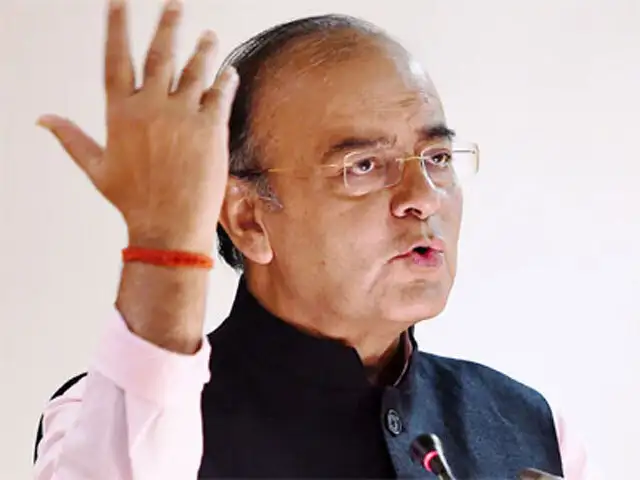
Nevertheless, that is how it has always been and this year will be no different. Indeed, budgets have usually been the platform for governments to signal major policy shifts, such as the seminal one in July 1991 when Manmohan Singh announced the dismantling of industrial licencing. Next week, millions across India and around the world will be watching the live telecast of Arun Jaitley presenting his second budget.
This year’s edition has two plot twists that will add to budget watchers’ frenzied speculation. The first relates to last year’s hurried post-election effort, which did not, as cricket commentators might say, “take the aerial route”. Will this year hold out more hope for advocates of the big bang approach to reforms?
The second twist has to do with results of this month’s Delhi election. Will that resounding political victory for an alternate economic philosophy, albeit only at a state level, cramp this government’s economic instincts?
Though there are often good reasons for a flurry of big-ticket reforms at the start of a government’s term, in hindsight there may have been equally good reasons for last year’s methodical approach. For starters, despite the hype about the biggest mandate in three decades, last July the government faced the same arithmetical challenge in passing legislation in Rajya Sabha that is now evident even to the most superficial of observers.
ADVERTISEMENT
Another reason clearly was that the PM had taken a strategic decision to change the narrative, about governance in general and his own image in particular. Thus the thrust on foreign policy from the start, and the back to basics emphasis on Swachh Bharat in August. But an equally important signal was the obeisance he paid to Parliament, bending to touch its steps on his first visit. The non-verbal message, that he was a democrat, was resounding. That was followed up with sustained outreach to all state governments and most parties in Parliament to change the dynamics of the relationship, both between Centre and state and between government and opposition.
While arguably the past nine months have seen positive developments in Centre-state relations, there has been no overarching entente in Parliament between government and most of the opposition. Nevertheless, because of the new narrative, signalling and overtures, when by December the government resorted to issuing ordinances, they seemed justified to many. A key objective had been achieved: building an image that the Modi government is not instinctively authoritarian, and will reach out across the aisle to build consensus, but as a last resort it would not hesitate to use all constitutional options to break an extended impasse.
It is at this juncture that the Delhi election result has added a significant new plot twist. Though it is far too early to assess its nationwide impact, if any, it has nevertheless been a shot in the arm for those swept away by the Modi wave. This applies particularly to those whose politics is resolutely left of centre, but also holds true across the political spectrum. The vacuum created by Congress’s collapse was never going to remain unfilled for long. But the Delhi result holds the potential of setting off a gold rush for that space.
The question now arises whether the government will play by the game plan it has been putting in place for nine months, or feel compelled to make alterations. It can’t completely ignore these developments and must inevitably accord priority to some issues on which AAP is getting traction. Any impression of procrastination on issues like black money, or the safety of minorities, would leave its flanks exposed and risk ceding further political ground. It is no coincidence that the PM has now come out strongly against religious violence.
ADVERTISEMENT
Every cloud has a silver lining. This mini shock to the system may be just what the doctor ordered, particularly if it yields more leeway to govern, free of distracting self goals by those ostensibly on the same side. With BJP losing only 1% of its Delhi vote share and subsequently winning local polls in Assam and Rajasthan, nothing now stops the government from confidently asserting the development agenda of the 2014 campaign.
This may already be happening. The finance minister has said that the Delhi result would “not affect the pace of reforms”. And a long overdue debate on subsidies has now got underway. The PM’s legendary communication skills will surely be an asset in selling the reforms necessary to grow the economy and create jobs.
ADVERTISEMENT
Yet if the votes needed to pass legislation in Rajya Sabha could not be secured earlier, the Delhi result makes it even less likely now. Convening a joint session of both houses becomes virtually inescapable to pass new laws, including the ordinances. Due to procedural requirements, that will take months.
Meantime, there is no logic to play safe anymore. If legislative confrontation is inevitable — but, importantly, winnable — the budget is ideal to unveil a broad, ambitious reform agenda.
(The writer is Lok Sabha MP of BJD. Views are personal.)
Download
The Economic Times Business News App for the Latest News in Business, Sensex, Stock Market Updates & More.
The Economic Times Business News App for the Latest News in Business, Sensex, Stock Market Updates & More.
Download
The Economic Times News App for Quarterly Results, Latest News in ITR, Business, Share Market, Live Sensex News & More.
The Economic Times News App for Quarterly Results, Latest News in ITR, Business, Share Market, Live Sensex News & More.
Related Articles
 DC vs RR pitch report, IPL 2026: Check Arun Jaitley Stadium pitch, Delhi weather forecast and match conditions2026-05-17T11:31:19Z
- DC vs CSK Delhi Weather Updates: Check Arun Jaitley Stadium pitch report for IPL clash2026-05-05T12:18:07Z
- DC vs CSK Playing 11: Predicted XIs and head-to-head record at Arun Jaitley Stadium for must-win IPL 2026 clash2026-05-05T11:30:34Z
Text: ET Bureau
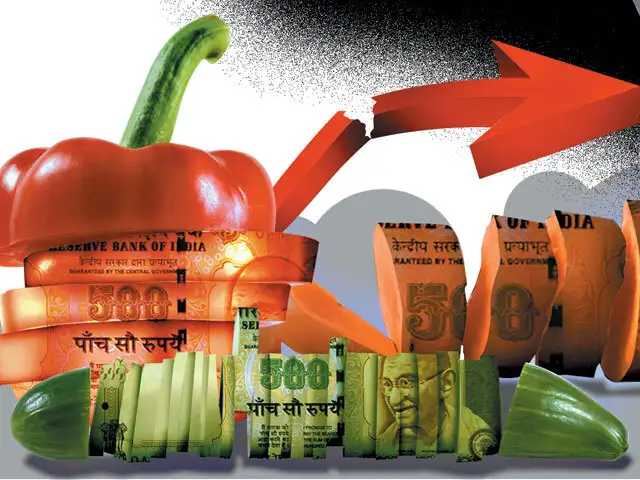
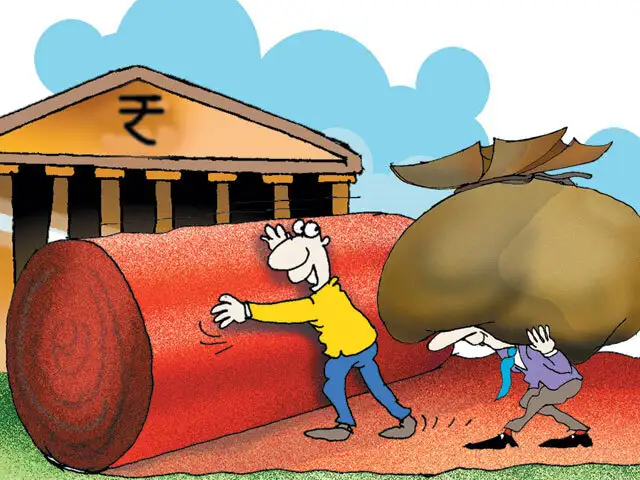
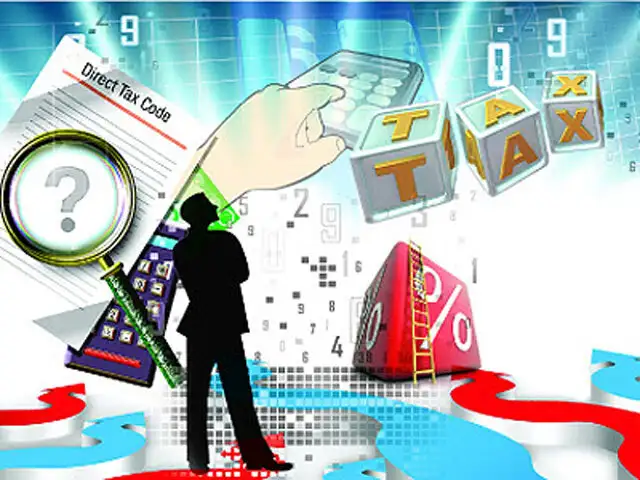
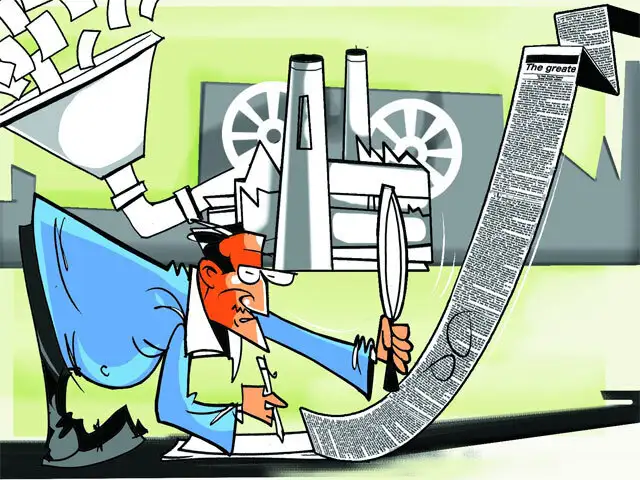
Finance minister Arun Jaitley will present the NDA govt’s second budget, one of the most anticipated in recent times, on February 28. Calls for a big-bang budget are getting louder and stock markets are doing their bit to raise expectations. ET takes a look at the challenges the FM faces:
Finance minister Arun Jaitley will present the NDA govt’s second budget, one of the most anticipated in recent times, on February 28. Calls for a big-bang budget are getting louder and stock markets are doing their bit to raise expectations. ET takes a look at the challenges the FM faces:



ADVERTISEMENT


