Union Budget 2017: Arun Jaitley should keep calm and carry on
Jaitley’s budget is expected to include extra spending to revive growth, breaking an earlier promise to shrink public borrowing to 3 percent of gross domestic product.
By Bloomberg |

Investors will be watching closely this Wednesday to see how India’s government addresses the fallout from its recent botched effort to “demonetize” the economy. Finance Minister Arun Jaitley’s new budget is expected to include extra spending to revive growth, breaking an earlier promise to shrink public borrowing to 3 percent of gross domestic product.
Trying to boost the economy that way would be understandable. It would also be a mistake.
The government’s decision to suddenly withdraw all 500- and 1,000-rupee notes -- 86 percent of India’s cash supply -- has caused widespread distress. Desperate for replacement notes, employers have had to lay off workers they can’t pay. Purchases have been delayed. Small businesses have shut for lack of customers. The International Monetary Fund says growth this year could slow to 6.6 percent, stripping India of its title as the world’s fastest-growing major economy.
Jaitley’s facing other pressures as well. The rollout of a nationwide goods-and-services tax -- now postponed till July at the earliest -- will cause further disruption. The government is fighting elections in several crucial states, and faces more next year.
Yet busting the fiscal target is no solution. The shock of demonetization will likely wear off by the beginning of the next fiscal year anyway, so the new public spending will kick in just as consumption is rebounding. The idea that additional spending on infrastructure will encourage new private investment is equally questionable. The main cause of India’s disappointing investment has been the sorry state of its banks. Extra public spending won’t solve their bad-loan problem.
India’s Aspirations
Also, the risks of undermining India’s credibility on fiscal policy are clear. Its improved reputation on this score has been hard-won, and the government deserves credit for sticking to its targets this year. Standard & Poor’s has already warned that, at 66 percent, India’s debt-to-GDP ratio is still too high. A downgrade of public debt might force the central bank to raise interest rates; a long-awaited upgrade, on the other hand, would help attract long-term financing and do more for long-term infrastructure spending that any quick stimulus.
Jaitley’s main task hasn’t changed: to revive investors’ enthusiasm for India. He should stick to his fiscal targets and set out a clear and speedy plan for implementing the GST. The government should also broaden the tax base -- using smaller deductions to cut rates of corporate and personal taxes -- and further deregulate the supply side of the economy.
The note ban was bungled and the damage is done. The best thing now is to avoid compounding the error.
This column does not necessarily reflect the opinion of Bloomberg LP and its owners.
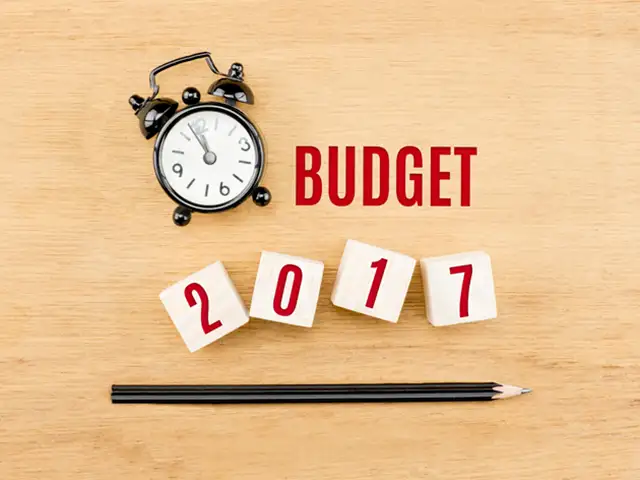
With less than a month to go, Budget 2017 is upon us. While you would know how Budget ends up impacting you personally, there are a lot of interesting things about Budget that you may not be aware of.
Here are five interesting and less-known facts about the Budget.
Trying to boost the economy that way would be understandable. It would also be a mistake.
The government’s decision to suddenly withdraw all 500- and 1,000-rupee notes -- 86 percent of India’s cash supply -- has caused widespread distress. Desperate for replacement notes, employers have had to lay off workers they can’t pay. Purchases have been delayed. Small businesses have shut for lack of customers. The International Monetary Fund says growth this year could slow to 6.6 percent, stripping India of its title as the world’s fastest-growing major economy.
Jaitley’s facing other pressures as well. The rollout of a nationwide goods-and-services tax -- now postponed till July at the earliest -- will cause further disruption. The government is fighting elections in several crucial states, and faces more next year.
Yet busting the fiscal target is no solution. The shock of demonetization will likely wear off by the beginning of the next fiscal year anyway, so the new public spending will kick in just as consumption is rebounding. The idea that additional spending on infrastructure will encourage new private investment is equally questionable. The main cause of India’s disappointing investment has been the sorry state of its banks. Extra public spending won’t solve their bad-loan problem.
India’s Aspirations
ADVERTISEMENT
Also, the risks of undermining India’s credibility on fiscal policy are clear. Its improved reputation on this score has been hard-won, and the government deserves credit for sticking to its targets this year. Standard & Poor’s has already warned that, at 66 percent, India’s debt-to-GDP ratio is still too high. A downgrade of public debt might force the central bank to raise interest rates; a long-awaited upgrade, on the other hand, would help attract long-term financing and do more for long-term infrastructure spending that any quick stimulus.
Jaitley’s main task hasn’t changed: to revive investors’ enthusiasm for India. He should stick to his fiscal targets and set out a clear and speedy plan for implementing the GST. The government should also broaden the tax base -- using smaller deductions to cut rates of corporate and personal taxes -- and further deregulate the supply side of the economy.
The note ban was bungled and the damage is done. The best thing now is to avoid compounding the error.
This column does not necessarily reflect the opinion of Bloomberg LP and its owners.
ADVERTISEMENT
Here are five interesting and less-known facts about the Budget.
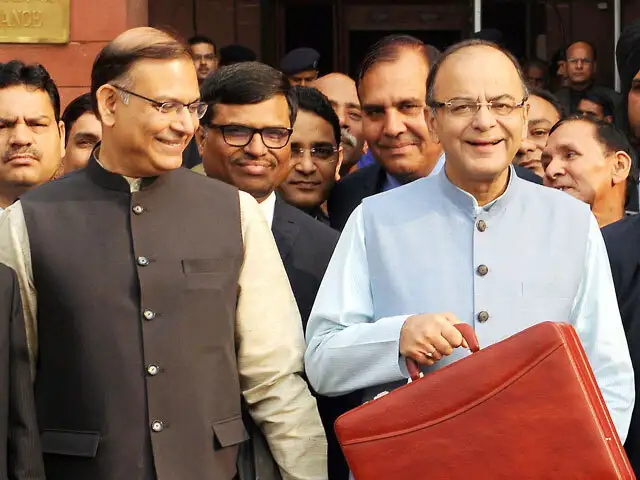

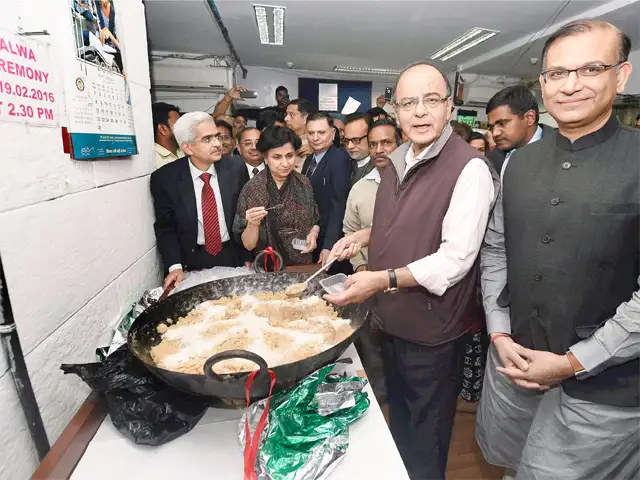

Download
The Economic Times Business News App for the Latest News in Business, Sensex, Stock Market Updates & More.
The Economic Times Business News App for the Latest News in Business, Sensex, Stock Market Updates & More.
Download
The Economic Times News App for Quarterly Results, Latest News in ITR, Business, Share Market, Live Sensex News & More.
The Economic Times News App for Quarterly Results, Latest News in ITR, Business, Share Market, Live Sensex News & More.
Related Articles
 DC vs RR pitch report, IPL 2026: Check Arun Jaitley Stadium pitch, Delhi weather forecast and match conditions2026-05-17T11:31:19Z
- DC vs CSK Delhi Weather Updates: Check Arun Jaitley Stadium pitch report for IPL clash2026-05-05T12:18:07Z
- DC vs CSK Playing 11: Predicted XIs and head-to-head record at Arun Jaitley Stadium for must-win IPL 2026 clash2026-05-05T11:30:34Z
ADVERTISEMENT


