Make In India: FM Jaitley may address inverted duty structure in Budget 2015 to boost manufacturing
Inverted duty structure refers to taxation of inputs at higher rates than finished products that results in build-up of credits and cascading costs.
By PTI | Updated:

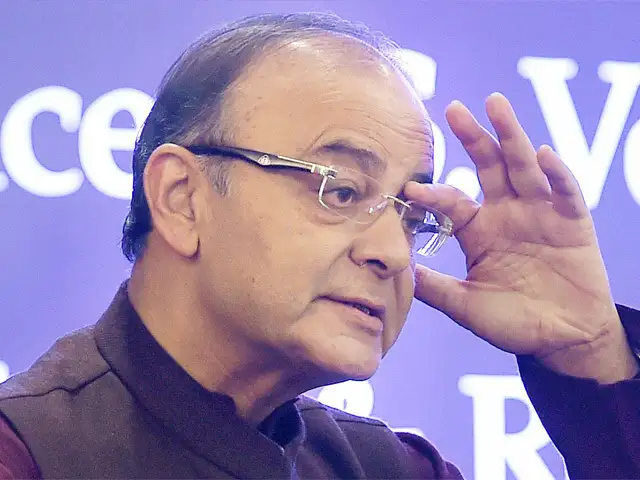
NEW DELHI: To boost manufacturing as part of the 'Make In India' campaign, Finance Minister Arun Jaitley is likely to address in the forthcoming Budget the issue of inverted duty structure, especially in sectors such as auto, electronics and pharma.
Inverted duty structure refers to taxation of inputs at higher rates than finished products that results in build-up of credits and cascading costs.
Industry has been demanding that government should remove the anomalies with regard to taxation of raw material and other inputs.
According to industry sources, the Minister should consider lowering Special Additional Duty (SAD) on imported raw material to 2 per cent, from 4 per cent, and bring down customs duty on various inputs to 5 per cent from 10 per cent.
Sectors including auto component, pharma, chemicals and electronics could be given a relook in Budget to be unveiled on February 28.
"Correcting the Inverted Duty Structure is the most important measure that is required to incentivise domestic manufacturing which is being promoted by the government as part of its Make In India campaign," KPMG Partner Indirect Tax Pratik Jain said.
The Commerce Ministry too in its pre-budget suggestion pitched for a rectification of the inverted duty structure in Crude Napthalene.
In his previous budget, Jaitley had initiated steps to deal with the problem of inverted duty structure to give a fillip to domestic manufacturing.
Referring to the issue being faced by the auto sector, CII in its pre-budget memorandum to the government said while the excise duty on commercial vehicles is 8 per cent, the inputs used in their manufacture are taxed at 12 per cent resulting in a accumulation of CENVAT credit.
"This has also affected the financial viability of the manufacturers who have set up facilities in the States of Uttrakhand and Himachal Pradesh to avail areas based excise exemption," CII said.
Rectification of inverted duty structure is also necessary to deal with the problem of cheaper imports from the countries with whom India had signed Free Trade Agreements.
Expressing similar views, Deloitte-India Senior Director Saloni Roy said "in order to promote domestic manufacturing, it is expected that steps would be undertaken to correct the inverted duty structure which exists for certain products".
Make in India is a programme of the government which aims at increasing the share of domestic manufacturing in India's economic growth and create jobs.
During the April-December period, the manufacturing sector saw an output growth of 1.2 per cent, compared to a contraction 0.4 per cent in the year-ago period.
Inverted duty structure refers to taxation of inputs at higher rates than finished products that results in build-up of credits and cascading costs.
Industry has been demanding that government should remove the anomalies with regard to taxation of raw material and other inputs.
According to industry sources, the Minister should consider lowering Special Additional Duty (SAD) on imported raw material to 2 per cent, from 4 per cent, and bring down customs duty on various inputs to 5 per cent from 10 per cent.
Sectors including auto component, pharma, chemicals and electronics could be given a relook in Budget to be unveiled on February 28.
"Correcting the Inverted Duty Structure is the most important measure that is required to incentivise domestic manufacturing which is being promoted by the government as part of its Make In India campaign," KPMG Partner Indirect Tax Pratik Jain said.
ADVERTISEMENT
The Commerce Ministry too in its pre-budget suggestion pitched for a rectification of the inverted duty structure in Crude Napthalene.
In his previous budget, Jaitley had initiated steps to deal with the problem of inverted duty structure to give a fillip to domestic manufacturing.
Referring to the issue being faced by the auto sector, CII in its pre-budget memorandum to the government said while the excise duty on commercial vehicles is 8 per cent, the inputs used in their manufacture are taxed at 12 per cent resulting in a accumulation of CENVAT credit.
"This has also affected the financial viability of the manufacturers who have set up facilities in the States of Uttrakhand and Himachal Pradesh to avail areas based excise exemption," CII said.
ADVERTISEMENT
Rectification of inverted duty structure is also necessary to deal with the problem of cheaper imports from the countries with whom India had signed Free Trade Agreements.
Expressing similar views, Deloitte-India Senior Director Saloni Roy said "in order to promote domestic manufacturing, it is expected that steps would be undertaken to correct the inverted duty structure which exists for certain products".
ADVERTISEMENT
Make in India is a programme of the government which aims at increasing the share of domestic manufacturing in India's economic growth and create jobs.
During the April-December period, the manufacturing sector saw an output growth of 1.2 per cent, compared to a contraction 0.4 per cent in the year-ago period.
Download
The Economic Times Business News App for the Latest News in Business, Sensex, Stock Market Updates & More.
The Economic Times Business News App for the Latest News in Business, Sensex, Stock Market Updates & More.
Download
The Economic Times News App for Quarterly Results, Latest News in ITR, Business, Share Market, Live Sensex News & More.
The Economic Times News App for Quarterly Results, Latest News in ITR, Business, Share Market, Live Sensex News & More.
Text: ET bureau
Weeks ahead of the NDA government’s agenda-setting budget, a poor set of company results have put the focus on the economy, although the latest growth number is impressive.
Finance minister Arun Jaitley will be looking to deliver a budget that can get the economy moving even faster through a more direct intervention to spur public investments.
ET looks at what could be on the FM’s mind ahead of the February 28 budget presentation.
Weeks ahead of the NDA government’s agenda-setting budget, a poor set of company results have put the focus on the economy, although the latest growth number is impressive.
Finance minister Arun Jaitley will be looking to deliver a budget that can get the economy moving even faster through a more direct intervention to spur public investments.
ET looks at what could be on the FM’s mind ahead of the February 28 budget presentation.







ADVERTISEMENT


