How Arun Jaitley's dream Budget 2015 should look like
Jaitley's vision should aim to match Asean direct tax regimes by 2019. That will complete the strategic aim of being fully competitive.
By Swaminathan S Anklesaria Aiyar, | Updated:

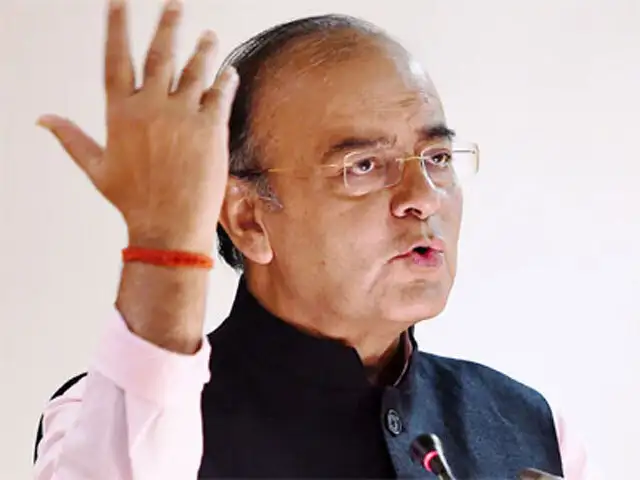
I called Arun Jaitley's first budget “a Chidambaram budget with a dash of saffron lipstick“. Jaitley made only minor changes from Chidambaram's interim budget a few months earlier. BJP supporters said Jaitley had assumed office only in May, lacked the assumed office only in May, lacked the time for a radical overhaul by July, and so kept his powder dry for his second budget.
Well, Jaitley will present that second budget at the end of this month. This time he must reveal a vision that inspires, that shows resolve and clarity of purpose, and lights the way for the next four years.
This vision must aim to make India competitive with Asean in direct taxes by 2019. Remember, Chidambaram's “dream budget“ of 1997 spelled out a strategy of lowering import duties in stages to the Asean level. That had the clear vision of India not just making ad hoc budget changes from year to year, but competing squarely with Asian miracle economies, making India a miracle economy too. That vision was so compelling that it was accepted by the next two finance ministers, Yashwant Sinha and Jaswant Singh, and more or less implemented by 2004. It was a resounding success -it helped India grow at 8-9% for most of the next decade.
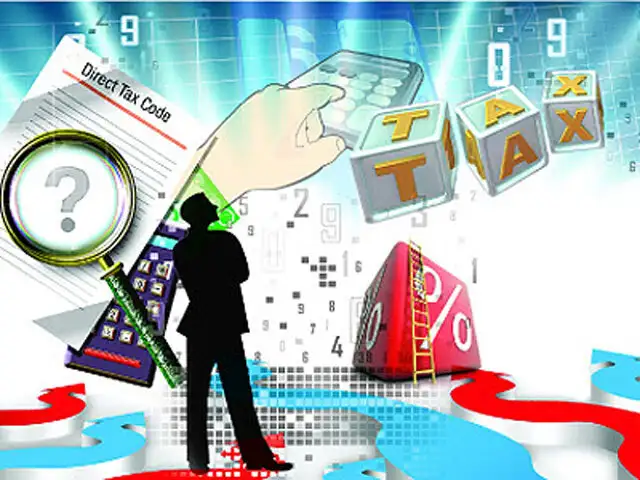
In similar vein, Jaitley's vision should aim to match Asean direct tax regimes by 2019. That will complete the strategic aim of being fully competitive, in both direct and indirect taxes.
Currently , India has among the highest tax rates in Asia, but also hordes of exceptions. A move to Asean rates will mean reducing India's direct tax rates and simultaneously abolishing innumerable exemptions and exceptions. Jaitley's first budget went the other way , introducing several new small exemptions and exceptions to help this vote bank or that industry . That must stop.
ADVERTISEMENT
India has gained an unfortunate reputation for “tax terrorism“. Jaitley's first budget reiterated the sovereign right to retrospective taxation. This sent a very wrong message about his priorities, even if it was technically correct. Here again, a pledge to move to Asean practices will greatly improve the investment climate.Jaitley must stick to the path of consolidation he laid out last year -reducing the fiscal deficit to 3.6% and 3.0% of GDP in the next two years. Some of his advisors, notably Niti Aayog chief Arvind Panagariya, have made the case for living with higher fiscal deficits to finance urgently needed infrastructure. Sorry , but that would seriously dent Jaitley's fiscal credibility. To establish a tall reputation, he absolutely must stick to his deficit reduction schedule.
Infrastructure is in a mess, and the public-private partnership model is broken. Infrastructure companies cannot repay humongous debts, and have dragged down banks that financed them. The government must increase its share of infrastructure financing until a new, viable PPP model is created.
This approach must include the conversion of departmental undertakings into corporations. Railway minister Suresh Prabhu says he urgently needs vast new investments. The government has opened up FDI in non-operational railway activities. But foreign and Indian investors can invest only in corporations, not in government departments. The railways and port trusts must be converted to corporations, which can then attract massive private investment and loan funds. That will also hugely improve incentives for good management, and reduce populist pressures on their functioning.
Raising tax revenue is never a pleasant task, but there are many low-hanging fruit. Cigarette taxes bring in huge revenues, but taxes on beedis are tiny , since their manufacture entails lots of labour. Tobacco kills, whether in cigarettes or beedis, and the fact that beedis are labourintensive simply increases the number of manufacturers of death. The duty gap between the two must be closed drastically if not entirely .
India has a huge betting industry , especially for cricket and elections. This industry is illegal, yet irrepressible. It is no more sinful than tobacco or alcohol. Like these two, betting should be legalized and highly taxed.
These are just a few budget ideas that would be a breath of fresh air. Jaitley needs such ideas to produce a budget to be remembered.
Download
The Economic Times Business News App for the Latest News in Business, Sensex, Stock Market Updates & More.
The Economic Times Business News App for the Latest News in Business, Sensex, Stock Market Updates & More.
Download
The Economic Times News App for Quarterly Results, Latest News in ITR, Business, Share Market, Live Sensex News & More.
The Economic Times News App for Quarterly Results, Latest News in ITR, Business, Share Market, Live Sensex News & More.
Related Articles
 DC vs RR pitch report, IPL 2026: Check Arun Jaitley Stadium pitch, Delhi weather forecast and match conditions2026-05-17T11:31:19Z
- DC vs CSK Delhi Weather Updates: Check Arun Jaitley Stadium pitch report for IPL clash2026-05-05T12:18:07Z
- DC vs CSK Playing 11: Predicted XIs and head-to-head record at Arun Jaitley Stadium for must-win IPL 2026 clash2026-05-05T11:30:34Z
Text: ET Bureau
Finance minister Arun Jaitley will present the NDA govt’s second budget, one of the most anticipated in recent times, on February 28. Calls for a big-bang budget are getting louder and stock markets are doing their bit to raise expectations. ET takes a look at the challenges the FM faces:
Finance minister Arun Jaitley will present the NDA govt’s second budget, one of the most anticipated in recent times, on February 28. Calls for a big-bang budget are getting louder and stock markets are doing their bit to raise expectations. ET takes a look at the challenges the FM faces:



ADVERTISEMENT


