Government to steer clear of Tata-Mistry tussle, for now
The official said the government will not suo motu get involved in the turmoil at the Bombay House, the seat of the $100 billion salt-to-software conglomerate.
By PTI | Updated:

NEW DELHI: Ousted Tata Group chairman Cyrus Mistry has sought an appointment with Finance Minister Arun Jaitley, who also heads the Ministry of Corporate Affairs, but the government has decided to stay clear of the boardroom tussle in India's largest conglomerate, for now.
Mistry, the first non-family chairman of Tata Sons, the holding company of the Tata Group, who was unceremoniously removed from his position last month, has sought an audience with Jaitley possibly to explain his side of the story.
But the finance minister has for now decided not to meet either side as the government does not want to be seen getting embroiled in the Tata Group turmoil, a senior government official said.
Ratan Tata, Mistry's predecessor who was brought in as his replacement in the interim period, has so far not sought an appointment with Jaitley even though there are reports that the two had sought time to meet Prime Minister Narendra Modi.
The official said the government will not suo motu get involved in the turmoil at the Bombay House, the seat of the $100 billion salt-to-software conglomerate.
Ministers, he said, are unlikely to meet either side till the matter reaches the National Company Law Tribunal or any other judicial forum because then it will be a legal battle with the government having practically no role to play.
The government does not want to give an impression of siding with either party, the official added.
On his part, Minister of State for Finance Arjun Ram Meghwal said the government is "keeping a close watch on developments" in the Tata-Mistry tussle.
"Sebi and other agencies are also keeping a vigil, but so far, nothing has been referred to the Ministry of Corporate Affairs," he said.
Meghwal is also in-charge of the Ministry of Corporate Affairs.
Mistry has accused Tata Sons of cornering him into being a "lame-duck" chairman in the near four-year tenure and also hiding $18 billion of potential write-downs across five group firms, including Tata Motors and Tata Steel Europe.
He has also alleged potential financial issues at the various companies and violations of securities regulations.
His family firm Shapoorji Pallonji Group has 18.4 per cent in Tata Sons. As much as 66 per cent shares in Tata Sons are held by philanthropic trusts endowed by members of the Tata family.
Mistry, the first non-family chairman of Tata Sons, the holding company of the Tata Group, who was unceremoniously removed from his position last month, has sought an audience with Jaitley possibly to explain his side of the story.
But the finance minister has for now decided not to meet either side as the government does not want to be seen getting embroiled in the Tata Group turmoil, a senior government official said.
Ratan Tata, Mistry's predecessor who was brought in as his replacement in the interim period, has so far not sought an appointment with Jaitley even though there are reports that the two had sought time to meet Prime Minister Narendra Modi.
The official said the government will not suo motu get involved in the turmoil at the Bombay House, the seat of the $100 billion salt-to-software conglomerate.
Ministers, he said, are unlikely to meet either side till the matter reaches the National Company Law Tribunal or any other judicial forum because then it will be a legal battle with the government having practically no role to play.
ADVERTISEMENT
The government does not want to give an impression of siding with either party, the official added.
On his part, Minister of State for Finance Arjun Ram Meghwal said the government is "keeping a close watch on developments" in the Tata-Mistry tussle.
"Sebi and other agencies are also keeping a vigil, but so far, nothing has been referred to the Ministry of Corporate Affairs," he said.
Meghwal is also in-charge of the Ministry of Corporate Affairs.
ADVERTISEMENT
Mistry has accused Tata Sons of cornering him into being a "lame-duck" chairman in the near four-year tenure and also hiding $18 billion of potential write-downs across five group firms, including Tata Motors and Tata Steel Europe.
He has also alleged potential financial issues at the various companies and violations of securities regulations.
ADVERTISEMENT
His family firm Shapoorji Pallonji Group has 18.4 per cent in Tata Sons. As much as 66 per cent shares in Tata Sons are held by philanthropic trusts endowed by members of the Tata family.
Download
The Economic Times Business News App for the Latest News in Business, Sensex, Stock Market Updates & More.
The Economic Times Business News App for the Latest News in Business, Sensex, Stock Market Updates & More.
Download
The Economic Times News App for Quarterly Results, Latest News in ITR, Business, Share Market, Live Sensex News & More.
The Economic Times News App for Quarterly Results, Latest News in ITR, Business, Share Market, Live Sensex News & More.
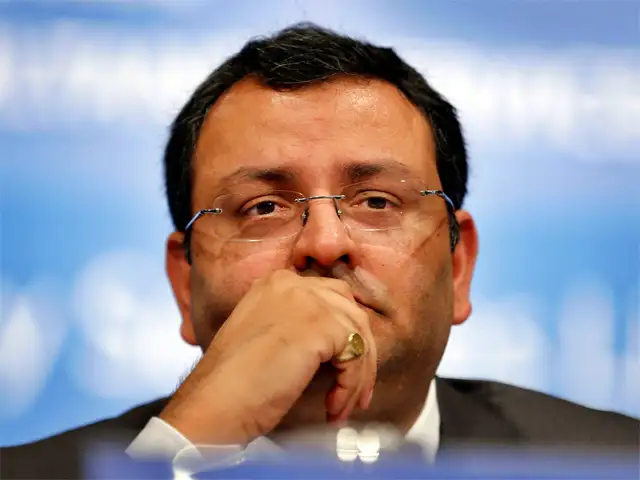
The news of Cyrus Mistry's exit from Tata Sons came as a sudden shock to India inc. While there were no reasons given for the change of leadership it is believed that Tata Sons was unhappy with Mistry's approach of shedding non-profit businesses.
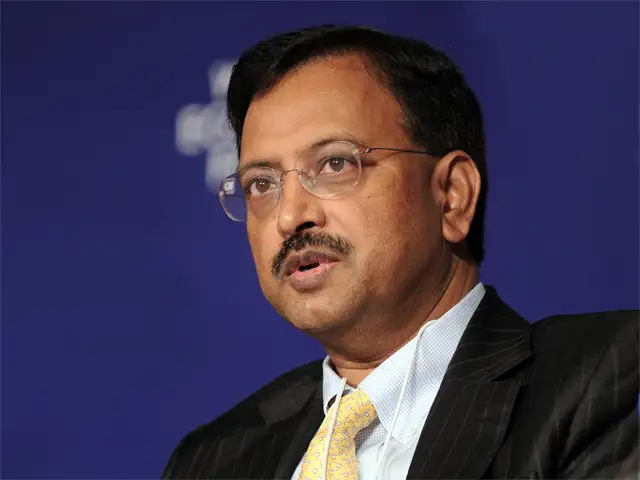
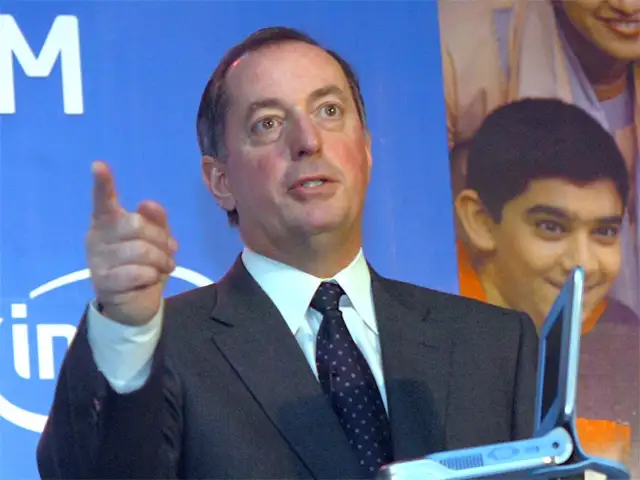
This is not the first time a business leader has had to step down in the face of a controversy. Many industry honchos have given up their high-paying jobs and well-earned titles.


ADVERTISEMENT


