ETGBS: Finance Minister Arun Jaitley non-committal on slippage in fiscal deficit
Jaitley's comments came a day after Raghuram Rajan warned against borrowing more to spur spending for higher economic growth, saying such a move could risk macroeconomic stability of the country.
By PTI | Updated:

NEW DELHI: Finance Minister Arun Jaitley today remained non-committal on slippage in fiscal deficit target saying there were pros and cons of boosting growth by higher public spending.
Jaitley's comments came a day after RBI Governor Raghuram Rajan warned against borrowing more to spur spending for higher economic growth, saying such a move could risk macroeconomic stability of the country.
Speaking at The Economic Times Global Business Summit, the Minister said there are different views from industry and economists on whether the government should scale up public investment in next fiscal or stick to the deficit target.
"I can tell you I have been consulting all shades of opinion. This is the first time that I have come across people holding sharply divided views and each one has a strong argument in his favour. There is an argument being given that in the current economic situation public investment holds the key.
"Then there is another argument, and the alternate argument is also equally important with regard to credibility of government. One year you deviated from target, will you do it again and particularly if oil prices are one-third of what they were. If you still can't meet the target, when will you do that? And, therefore, both the arguments have a way," Jaitley said.
He said there is also another argument that in a fast moving situation globally, whether it was necessary to fix a target beforehand.
"Of course the government has benefit of these three views. Predominantly industry is of the view that you must spend more, economist view is sharply divided," he said.
Jaitley said the final decision on the fiscal deficit target would be spelt out in Budget based on the kind of resource, growth potential, tax buoyancy for the next year that the government anticipates.
"I think all these inputs will go into determining the policy of the government," he said.
Cautioning against higher fiscal deficit to spur growth, Rajan yesterday said: "Unfortunately, the growth multipliers on government spending at this juncture are likely to be much smaller, so more spending will probably hurt debt dynamics. Put differently, it is worth asking if there really are very high-return investments that we are foregoing by staying on the consolidation path?"
Jaitley in 2015-16 Budget deviated from the fiscal consolidation path, postponing reduction in fiscal deficit target by a year.
Originally, the target was to bring down fiscal deficit to 3.6 per cent of the GDP in 2015-16 but it has been postponed by a year. Now, government is targeting 3.9 per cent in the current fiscal and 3.5 per cent by next year.
Jaitley's comments came a day after RBI Governor Raghuram Rajan warned against borrowing more to spur spending for higher economic growth, saying such a move could risk macroeconomic stability of the country.
Speaking at The Economic Times Global Business Summit, the Minister said there are different views from industry and economists on whether the government should scale up public investment in next fiscal or stick to the deficit target.
"I can tell you I have been consulting all shades of opinion. This is the first time that I have come across people holding sharply divided views and each one has a strong argument in his favour. There is an argument being given that in the current economic situation public investment holds the key.
"Then there is another argument, and the alternate argument is also equally important with regard to credibility of government. One year you deviated from target, will you do it again and particularly if oil prices are one-third of what they were. If you still can't meet the target, when will you do that? And, therefore, both the arguments have a way," Jaitley said.
He said there is also another argument that in a fast moving situation globally, whether it was necessary to fix a target beforehand.
ADVERTISEMENT
"Of course the government has benefit of these three views. Predominantly industry is of the view that you must spend more, economist view is sharply divided," he said.
Jaitley said the final decision on the fiscal deficit target would be spelt out in Budget based on the kind of resource, growth potential, tax buoyancy for the next year that the government anticipates.
"I think all these inputs will go into determining the policy of the government," he said.
Cautioning against higher fiscal deficit to spur growth, Rajan yesterday said: "Unfortunately, the growth multipliers on government spending at this juncture are likely to be much smaller, so more spending will probably hurt debt dynamics. Put differently, it is worth asking if there really are very high-return investments that we are foregoing by staying on the consolidation path?"
ADVERTISEMENT
Jaitley in 2015-16 Budget deviated from the fiscal consolidation path, postponing reduction in fiscal deficit target by a year.
Originally, the target was to bring down fiscal deficit to 3.6 per cent of the GDP in 2015-16 but it has been postponed by a year. Now, government is targeting 3.9 per cent in the current fiscal and 3.5 per cent by next year.
Download
The Economic Times Business News App for the Latest News in Business, Sensex, Stock Market Updates & More.
The Economic Times Business News App for the Latest News in Business, Sensex, Stock Market Updates & More.
Download
The Economic Times News App for Quarterly Results, Latest News in ITR, Business, Share Market, Live Sensex News & More.
The Economic Times News App for Quarterly Results, Latest News in ITR, Business, Share Market, Live Sensex News & More.
Related Articles
 Fiscal deficit widens to 9.6% of FY27 target on higher spending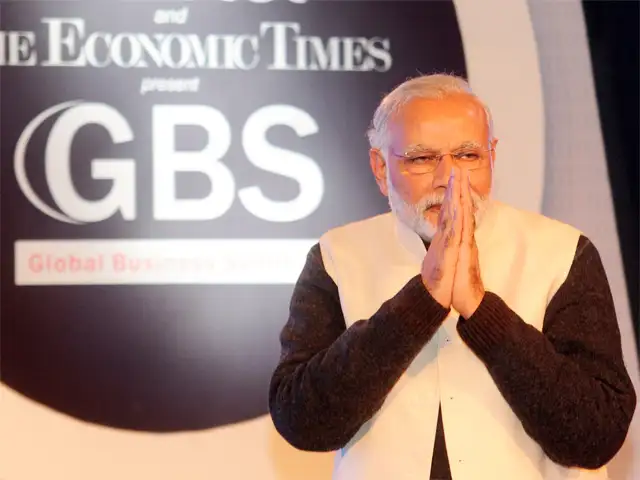
Economictimes.com
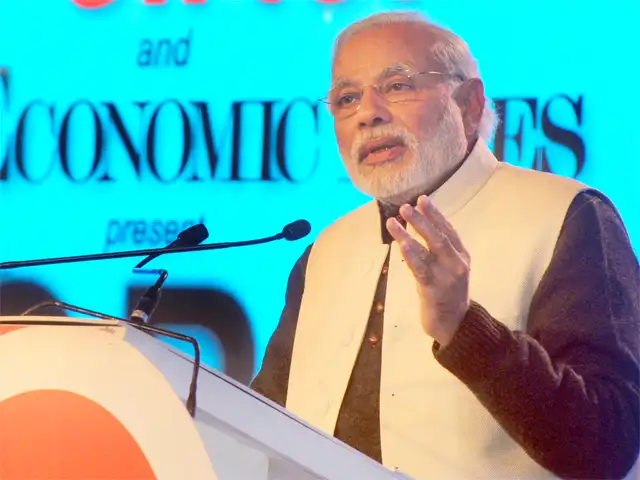
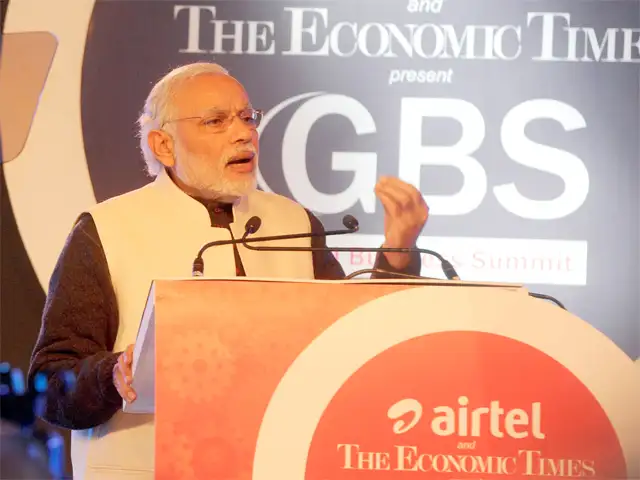
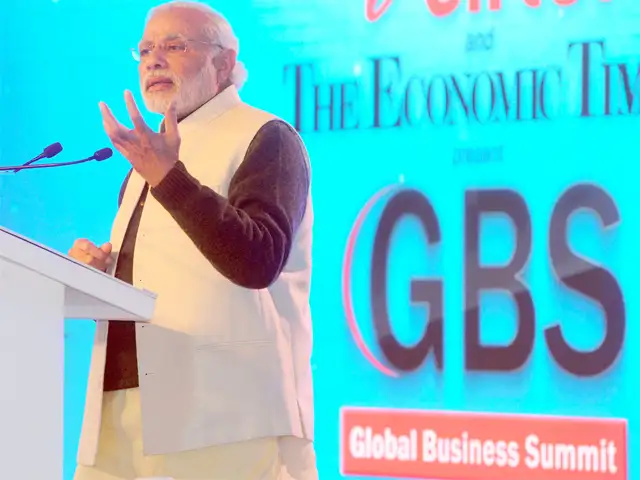
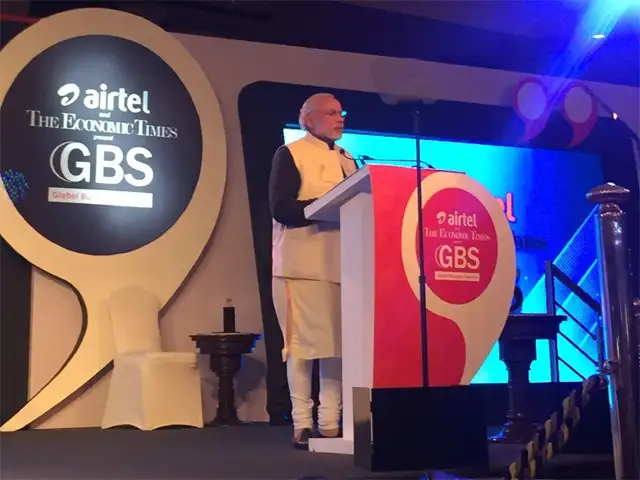
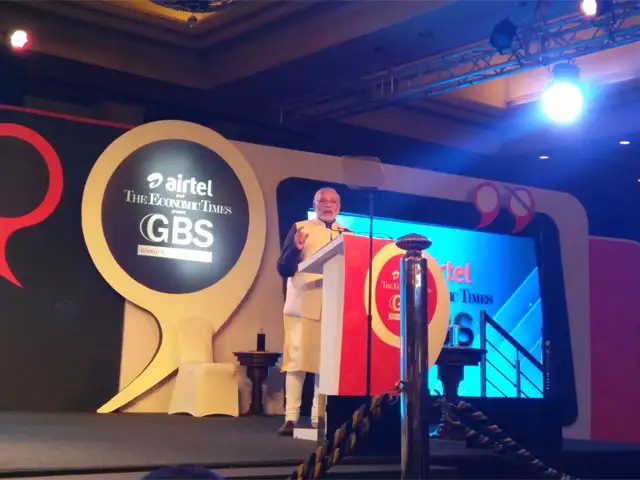
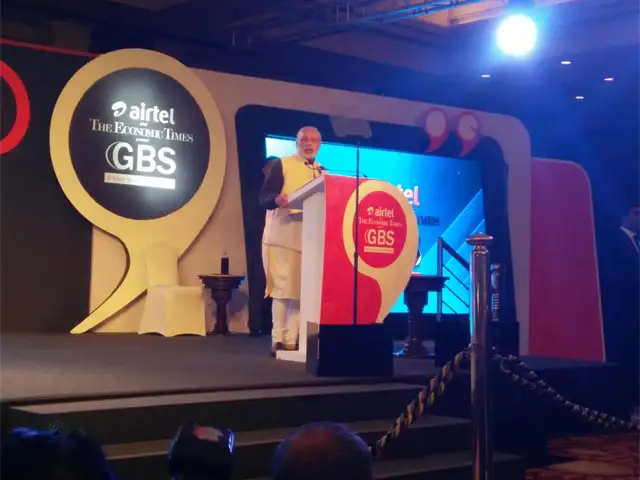
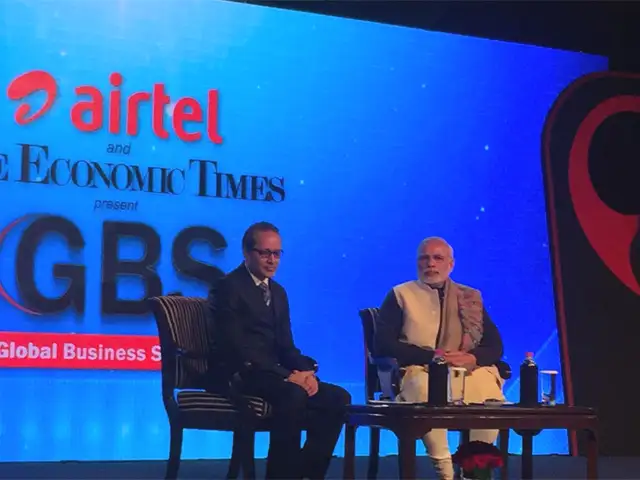
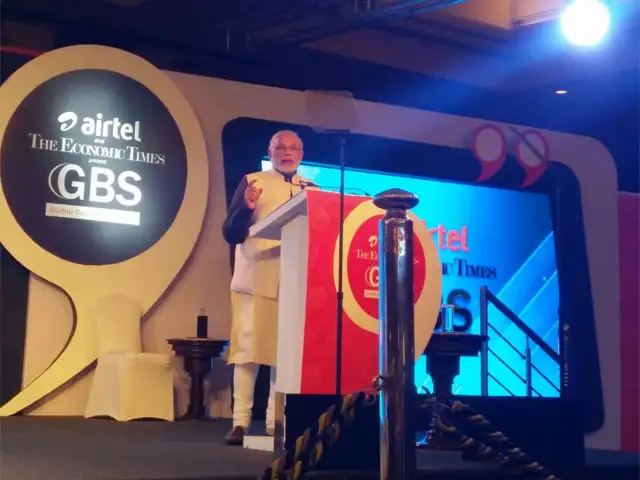
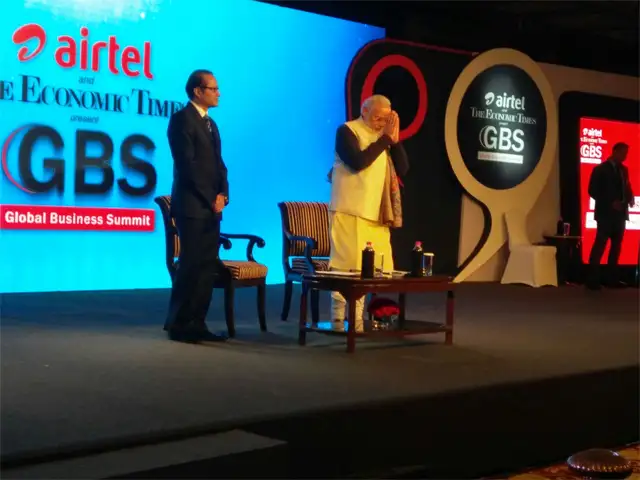
At a power-packed Day 1 of the ET Global Business Summit 2016, Prime Minister Narendra Modi shared his thoughts on the progress of the Indian economy and on the business environment.
Outlining his government's achievements and his vision for a "new India", PM Modi said, "In 19 months, much has been achieved. Much more is expected of us. And there are challenges ahead. Yet, I am now confident that we can successfully go forward, that we can successfully go faster, and that we can do so in a way that will benefit the common people."
We take a look at ten takeaways from PM Modi's extensive and enthralling speech:
At a power-packed Day 1 of the ET Global Business Summit 2016, Prime Minister Narendra Modi shared his thoughts on the progress of the Indian economy and on the business environment.
Outlining his government's achievements and his vision for a "new India", PM Modi said, "In 19 months, much has been achieved. Much more is expected of us. And there are challenges ahead. Yet, I am now confident that we can successfully go forward, that we can successfully go faster, and that we can do so in a way that will benefit the common people."
We take a look at ten takeaways from PM Modi's extensive and enthralling speech:

ADVERTISEMENT


