Who will present Interim Budget 2024, and how is it prepared?
Interim Budget 2024: Have you ever pondered the intricate process of crafting the budget? Comprising a multitude of financial proposals, its creation is no small undertaking. Similar to the adage that Rome wasn't built in a day, the Union Budget ...
By ET Online | Updated:

ANI
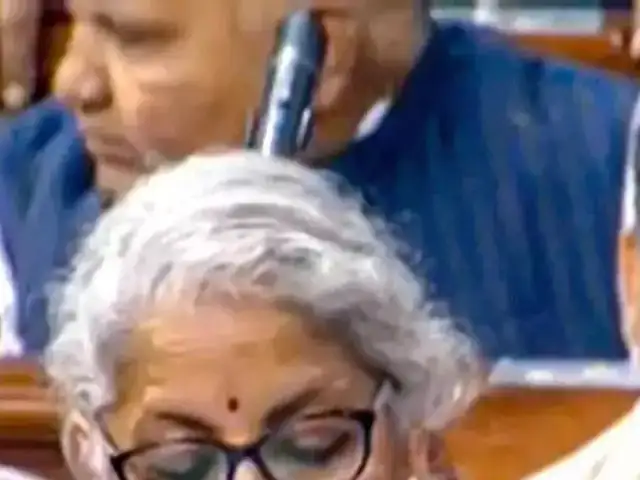
Finance Minister Nirmala Sitharaman is set to present her sixth consecutive budget since 2019, placing her in an exclusive category of finance ministers who have delivered at least five consecutive Union Budgets. This distinguished group includes notable figures such as Morarji Desai, Manmohan Singh, P Chidambaram, Yashwant Sinha, and Arun Jaitley.
It is slated to be an interim budget since the Lok Sabha elections are scheduled for early next year.
The budget-making process usually begins in September, over six months before the date of presentation. Making a budget is a time-taking process that entails numerous steps and consultations.
Have you ever pondered the intricate process of crafting the budget? Comprising a multitude of financial proposals, its creation is no small undertaking. Similar to the adage that Rome wasn't built in a day, the Union Budget of India doesn't come to fruition in a matter of days. Rather, it involves extensive months of meticulous planning, consultations, and compilation efforts to culminate in the final draft. Let's delve into the collaborative endeavors of various branches of the Government dedicated to shaping the Union Budget.
Issue of circular
Budget is a collaborative effort involving various government entities, with the Budget Division of the Department of Economic Affairs in the Ministry of Finance spearheading the process. It entails the issuance of budget-related circulars by the Finance Ministry to a range of entities, including States and Union Territories, Union Ministries, Defence forces, Government departments, and Autonomous bodies asking them to prepare estimates for the coming year.
A comprehensive review
After the revenue secretary receives the proposals, government officials at the highest levels conduct a comprehensive review. The Department of Expenditures and various ministries engage in extensive consultations to meticulously scrutinize all facets of the proposals. After approval of the data, it is forwarded to the finance ministry.
The finance ministry conducts a thorough analysis of data, comparing revenue and expenditure estimates to ascertain the comprehensive budget deficit. Subsequently, the government engages with the Chief Economic Advisor to determine the most suitable level of borrowing necessary to address the deficit.
Distribution of revenue
Pre-Budget discussions
Following the allocation of funds, the finance minister engages in pre-budget discussions with diverse stakeholders to gain insights into their proposals and requirements. These stakeholders encompass state representatives, bankers, agriculturists, economists, and trade unions. This year pre-budget consultations with ministries started on October 10 and continued till November 14, as per scheduled prepared by the ministry.
After concluding pre-budget discussions, the finance minister, following extensive consultations with the Prime Minister, makes the ultimate decision on the demands of various stakeholders.
'Halwa' ceremony
To mark the concluding phase of the Union Budget formulation, the government observes the annual tradition of 'halwa' ceremony. This event signifies the start of the printing of Budget documents, with the entire staff at the finance ministry partaking in the distribution of 'halwa.'
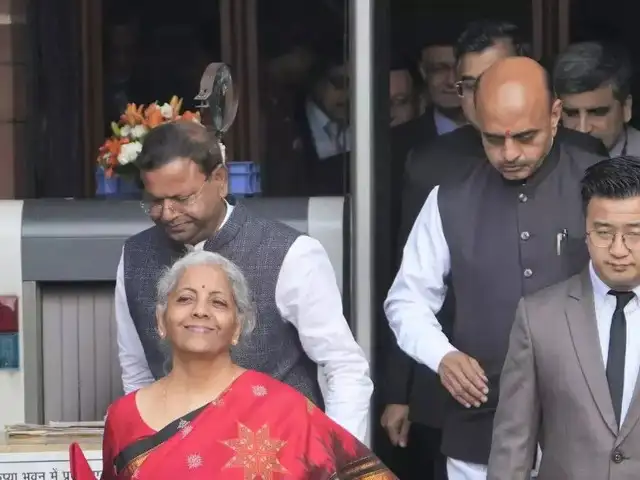
To ensure the confidentiality of the Budget details, there is a period of seclusion for the officials engaged in the Budget-making process. The Budget Press, located within North Block, serves as the residence for these officers and staff during the period leading up to the presentation of the Union Budget. They come out from North Block only after the Union Finance Minister has officially presented the budget.
Final move
The final step in the budgetary process involves the introduction of the budget to Parliament. The finance minister delivers a comprehensive presentation on the first day of the Budget session. This presentation entails a condensed overview of crucial elements within the budget and provides insights into the rationale behind the proposed recommendations.
After the presentation, the budget undergoes scrutiny and debate in both houses of Parliament. Once it secures approval from both chambers, the budget is forwarded to the President for official endorsement.
Before 2016, it was traditionally presented on the last day of February. However, starting in 2017, the budget has been consistently presented on February 1 each year.
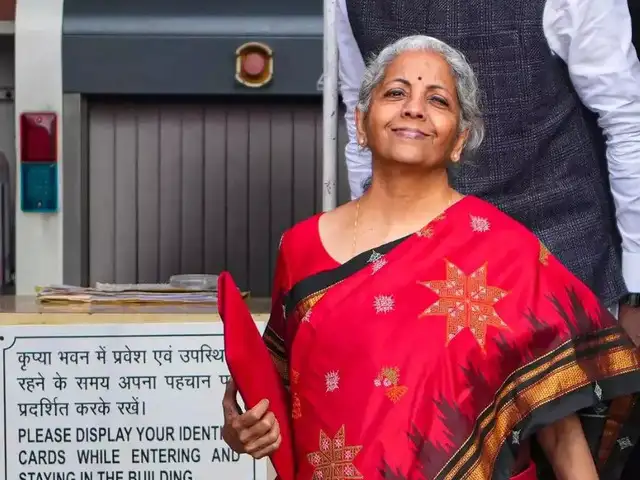
A notable shift occurred with the Union Budget 2021 when Finance Minister Nirmala Sitharaman introduced a paperless format for the first time. Departing from the traditional Swadeshi 'bahi khata,' she embraced modern technology by delivering the budget using a tablet. The Finance Minister carried the tablet enclosed in a red cover adorned with a golden national emblem.
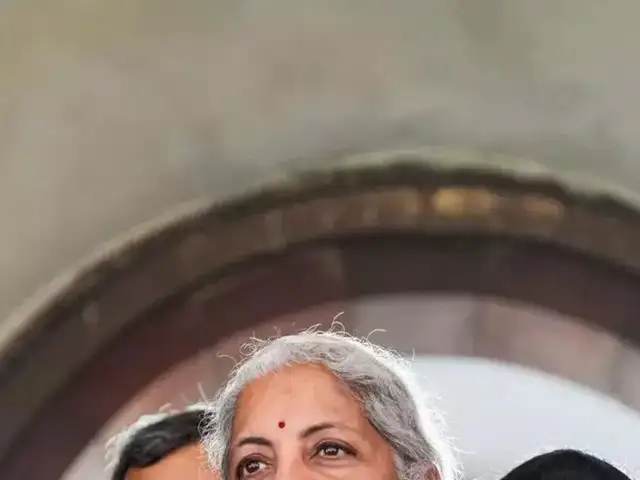
It is slated to be an interim budget since the Lok Sabha elections are scheduled for early next year.
The budget-making process usually begins in September, over six months before the date of presentation. Making a budget is a time-taking process that entails numerous steps and consultations.
Have you ever pondered the intricate process of crafting the budget? Comprising a multitude of financial proposals, its creation is no small undertaking. Similar to the adage that Rome wasn't built in a day, the Union Budget of India doesn't come to fruition in a matter of days. Rather, it involves extensive months of meticulous planning, consultations, and compilation efforts to culminate in the final draft. Let's delve into the collaborative endeavors of various branches of the Government dedicated to shaping the Union Budget.
Issue of circular
Budget is a collaborative effort involving various government entities, with the Budget Division of the Department of Economic Affairs in the Ministry of Finance spearheading the process. It entails the issuance of budget-related circulars by the Finance Ministry to a range of entities, including States and Union Territories, Union Ministries, Defence forces, Government departments, and Autonomous bodies asking them to prepare estimates for the coming year.
ADVERTISEMENT
These entities play a crucial role in the budgetary process by preparing financial estimates for their upcoming year's spending and revenue, along with providing revised estimates from the previous year. In addition to offering projections, the ministries also present comprehensive information on their earnings and expenditures from the previous year.A comprehensive review
After the revenue secretary receives the proposals, government officials at the highest levels conduct a comprehensive review. The Department of Expenditures and various ministries engage in extensive consultations to meticulously scrutinize all facets of the proposals. After approval of the data, it is forwarded to the finance ministry.
The finance ministry conducts a thorough analysis of data, comparing revenue and expenditure estimates to ascertain the comprehensive budget deficit. Subsequently, the government engages with the Chief Economic Advisor to determine the most suitable level of borrowing necessary to address the deficit.
Distribution of revenue
ADVERTISEMENT
After reviewing all suggestions, the finance ministry makes decisions regarding the distribution of revenue to different departments for their forthcoming expenditures. In case of any disputes regarding fund allocation, the finance ministry seeks input from the Union Cabinet or the Prime Minister before moving forward.Pre-Budget discussions
Following the allocation of funds, the finance minister engages in pre-budget discussions with diverse stakeholders to gain insights into their proposals and requirements. These stakeholders encompass state representatives, bankers, agriculturists, economists, and trade unions. This year pre-budget consultations with ministries started on October 10 and continued till November 14, as per scheduled prepared by the ministry.
ADVERTISEMENT
After concluding pre-budget discussions, the finance minister, following extensive consultations with the Prime Minister, makes the ultimate decision on the demands of various stakeholders.
'Halwa' ceremony
To mark the concluding phase of the Union Budget formulation, the government observes the annual tradition of 'halwa' ceremony. This event signifies the start of the printing of Budget documents, with the entire staff at the finance ministry partaking in the distribution of 'halwa.'
To ensure the confidentiality of the Budget details, there is a period of seclusion for the officials engaged in the Budget-making process. The Budget Press, located within North Block, serves as the residence for these officers and staff during the period leading up to the presentation of the Union Budget. They come out from North Block only after the Union Finance Minister has officially presented the budget.
Final move
The final step in the budgetary process involves the introduction of the budget to Parliament. The finance minister delivers a comprehensive presentation on the first day of the Budget session. This presentation entails a condensed overview of crucial elements within the budget and provides insights into the rationale behind the proposed recommendations.
After the presentation, the budget undergoes scrutiny and debate in both houses of Parliament. Once it secures approval from both chambers, the budget is forwarded to the President for official endorsement.
Before 2016, it was traditionally presented on the last day of February. However, starting in 2017, the budget has been consistently presented on February 1 each year.
A notable shift occurred with the Union Budget 2021 when Finance Minister Nirmala Sitharaman introduced a paperless format for the first time. Departing from the traditional Swadeshi 'bahi khata,' she embraced modern technology by delivering the budget using a tablet. The Finance Minister carried the tablet enclosed in a red cover adorned with a golden national emblem.





Download
The Economic Times Business News App for the Latest News in Business, Sensex, Stock Market Updates & More.
The Economic Times Business News App for the Latest News in Business, Sensex, Stock Market Updates & More.
Download
The Economic Times News App for Quarterly Results, Latest News in ITR, Business, Share Market, Live Sensex News & More.
The Economic Times News App for Quarterly Results, Latest News in ITR, Business, Share Market, Live Sensex News & More.
Related Articles
 Budget 2024-25: Nine priority areas, major focus on youth, tax tweaks
ADVERTISEMENT


