Budget 2017: Government introduces alternative funding mechanism of electoral bonds
The EC had earlier proposed a new Section 29C to be inserted in the Representation of the People Act to ensure full disclosure of amounts received by a political party.

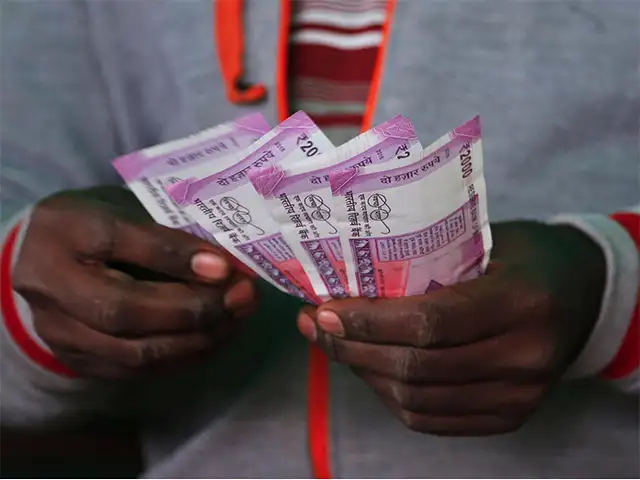
NEW DELHI | MUMBAI: The government announced measures in the Budget to bring in greater transparency in funding of political parties, capping cash funding by a single anonymous donor at a tenth of the current limit and proposing electoral bonds that are likely to reveal the identity of the donor while keeping the name of the party hidden.
Both proposals will require amendments to existing laws, officials said. While introduction of electoral bonds will need an amendment to the RBI Act, the lowering of limit for anonymous contributions to Rs 2,000 from Rs 20,000 could necessitate an amendment to the Representation of the People Act.
According to a government representative, the idea of bearer bonds for electoral funding came from defence minister Manohar Parrikar.
ELECTORAL BONDS
It is expected that RBI will issue such bonds on behalf of the government like any other sovereign bond to which a donor may subscribe from bank branches and take certificates against it. Later, the bonds can be given to any political party, which will be able to redeem these securities at its bank account. So, the bearer’s identity is unlikely to be revealed in the books of the party and the recipient party will also remain unknown.
“Anonymity is protected as identities of bond bearers would not be revealed,” said Ajay Manglunia, executive VP (fixed income) at Edelweiss Finance. “It is going to be a cleaner process as everything will be through cheque or digital payments. We will come to know the final contours of the mechanism once the government clarifies on this.”
“Bonds are unlikely to offer any rate, although the government will take the final call as and when it finalises the regulations,” said a partner from a large consultancy firm. Finance minister Arun Jaitley said while presenting the Budget that an amendment would be made to the RBI Act to introduce electoral bonds.
The EC had earlier proposed a new Section 29C to be inserted in the Representation of the People Act to ensure full disclosure of amounts received by a political party and its expenditure incurred, a proposal that the Law Commission endorsed in March 2015. Amid questions on why the provision of anonymous cash funding should be retained at all, an EC official said the commission proposed lowering of the cap because political parties had earlier argued that they receive quite a few small donations in the ‘hundi’-like system which are very difficult to account for.
PM’S PUSH
Jaitley said PM Modi particularly emphasised on cleaning up of political funding since demonetisation. “We cannot have the whole political system funded by shadow economy,” he said, responding to queries from the media following his Budget presentation.
CURRENT STATUS
The measures are expected to force parties to put out details of the bulk of their donors in public domain. A report released by the Association of Democratic Reforms last month revealed that 69% of funds of political parties in India from 2004-05 to 2014-15 came from “unknown” resources. As per the report, 83% of total income of BJP, 94% of SP, 100% of BSP and 86% of Akali Dal was through anonymous sources.
Both proposals will require amendments to existing laws, officials said. While introduction of electoral bonds will need an amendment to the RBI Act, the lowering of limit for anonymous contributions to Rs 2,000 from Rs 20,000 could necessitate an amendment to the Representation of the People Act.
According to a government representative, the idea of bearer bonds for electoral funding came from defence minister Manohar Parrikar.
ELECTORAL BONDS
It is expected that RBI will issue such bonds on behalf of the government like any other sovereign bond to which a donor may subscribe from bank branches and take certificates against it. Later, the bonds can be given to any political party, which will be able to redeem these securities at its bank account. So, the bearer’s identity is unlikely to be revealed in the books of the party and the recipient party will also remain unknown.
“Anonymity is protected as identities of bond bearers would not be revealed,” said Ajay Manglunia, executive VP (fixed income) at Edelweiss Finance. “It is going to be a cleaner process as everything will be through cheque or digital payments. We will come to know the final contours of the mechanism once the government clarifies on this.”
ADVERTISEMENT
Experts differed on the likely interest rates of these bonds. While some said these bonds will not yield any interest rate to limit their misuse, others said these bonds may yield rates lower than the average range, which may the help the issuer, the government, to earn some interest income.“Bonds are unlikely to offer any rate, although the government will take the final call as and when it finalises the regulations,” said a partner from a large consultancy firm. Finance minister Arun Jaitley said while presenting the Budget that an amendment would be made to the RBI Act to introduce electoral bonds.
The EC had earlier proposed a new Section 29C to be inserted in the Representation of the People Act to ensure full disclosure of amounts received by a political party and its expenditure incurred, a proposal that the Law Commission endorsed in March 2015. Amid questions on why the provision of anonymous cash funding should be retained at all, an EC official said the commission proposed lowering of the cap because political parties had earlier argued that they receive quite a few small donations in the ‘hundi’-like system which are very difficult to account for.
PM’S PUSH
Jaitley said PM Modi particularly emphasised on cleaning up of political funding since demonetisation. “We cannot have the whole political system funded by shadow economy,” he said, responding to queries from the media following his Budget presentation.
ADVERTISEMENT
CURRENT STATUS
The measures are expected to force parties to put out details of the bulk of their donors in public domain. A report released by the Association of Democratic Reforms last month revealed that 69% of funds of political parties in India from 2004-05 to 2014-15 came from “unknown” resources. As per the report, 83% of total income of BJP, 94% of SP, 100% of BSP and 86% of Akali Dal was through anonymous sources.
Download
The Economic Times Business News App for the Latest News in Business, Sensex, Stock Market Updates & More.
The Economic Times Business News App for the Latest News in Business, Sensex, Stock Market Updates & More.
Download
The Economic Times News App for Quarterly Results, Latest News in ITR, Business, Share Market, Live Sensex News & More.
The Economic Times News App for Quarterly Results, Latest News in ITR, Business, Share Market, Live Sensex News & More.
Here are some major takeaways







ADVERTISEMENT


