Budget 2017: Forgotten reforms becoming a non-performing asset for banking sector
PSBs are unwilling to sell their NPAs at the discounts mandated, given asset quality.
By ET CONTRIBUTORS | Updated:

By Krishnamurthy Subramanian
Budget 2017 may prove to be path-breaking on several fronts. However, an important concern is the peripheral attention given to reviving the banking sector. For the economy, the banking sector represents its heart. If the heart is clogged, the economy can’t return to vitality.
Though the reform proposals underlying Indradhanush for the public sector banks (PSBs) were announced in August 2015, few tangible steps have been taken since then. This Budget did nothing to alleviate concerns that grand announcements are not being followed up with ample action. The Indradhanush set of reforms was based on the P J Nay ak committee report, which had noted the need for reforming the governance in boards of PSBs. This need remains as boa rds of most PSBs lack the requi red sense of purpose in being able to provide oversight to st eer the banks through their present difficulties.
Board governance remains weak even though non-performing assets (NSAs) are rising alarmingly. To fix these systemic problems, the framework for governing PSBs must create an arm’s-length distance between the government and the bureaucracy, on the one hand, and the government and the PSBs on the other.
The committee also proposed that the government distance itself from several bank governance functions by setting up a Bank Investment Company (BIC) to transfers GoI’s holdings in banks. The government’s powers in relation to the governance of banks should be transferred to the BIC. Until the BIC becomes operational, the Bank Boards Bureau (BBB) would advise on all board appointments, including those of chairmen and executive directors.
Against this backdrop, the Budget missed the opportunity to clean up the banking sector. First, there was no mention of a ‘bad bank’, as was advocated by the Economic Survey. The attempt to bring more capital into asset reconstruction companies (ARCs) by allowing more foreign domestic investment has not worked, and is unlikely to work. PSBs are unwilling to sell their NPAs at the discounts mandated, given the quality of such assets.
This is because the current governance framework provides little incentives to PSB chairmen to take the bull by its horns and sell such assets. Instead, the current governance framework provides all the perverse incentives to kick the can down the road to the next chairman. Such procrastination, built into the governance framework, only exacerbates the problems in PSBs.
Second, the setting up of the BIC requires legislative reform, including the modifications of the Bank Nationalisation Act and the Banking Regulation Act. So, Jaitley not even mentioning the BIC in his speech reveals that the governance reforms recommended by the Nayak committee don’t seem to be on the government’s agenda. So, real reform of the PSBs is unlikely to happen under the current dispensation.
Third, little is known about what the BBB has done since it was set up. The process of recruitment of PSB chairmen and board members continues to muddle through as before. This process of initiating the cleaning up of governance of PSBs is a full-time job that can ill afford the distractions of batting as a night watchman.
Finally, historically, a large influx of deposits into the PSBs has led to another round of indiscriminate lending and eventual NPAs and stress in the banking system. Unless governance reforms in PSBs are carried out, this cycle may repeat itself because of the large inflow of funds into PSBs through demonetisation.
The government must attend to the ills afflicting the banking sector. This would provide much-needed fillip to the many laudable initiatives on other fronts, whether it be the ‘Make in India’, ‘Skill India’ or ‘Startup India’ campaigns.
The author is Associate Professor, Indian School Of Business
Budget 2017 may prove to be path-breaking on several fronts. However, an important concern is the peripheral attention given to reviving the banking sector. For the economy, the banking sector represents its heart. If the heart is clogged, the economy can’t return to vitality.
Though the reform proposals underlying Indradhanush for the public sector banks (PSBs) were announced in August 2015, few tangible steps have been taken since then. This Budget did nothing to alleviate concerns that grand announcements are not being followed up with ample action. The Indradhanush set of reforms was based on the P J Nay ak committee report, which had noted the need for reforming the governance in boards of PSBs. This need remains as boa rds of most PSBs lack the requi red sense of purpose in being able to provide oversight to st eer the banks through their present difficulties.
Board governance remains weak even though non-performing assets (NSAs) are rising alarmingly. To fix these systemic problems, the framework for governing PSBs must create an arm’s-length distance between the government and the bureaucracy, on the one hand, and the government and the PSBs on the other.
The committee also proposed that the government distance itself from several bank governance functions by setting up a Bank Investment Company (BIC) to transfers GoI’s holdings in banks. The government’s powers in relation to the governance of banks should be transferred to the BIC. Until the BIC becomes operational, the Bank Boards Bureau (BBB) would advise on all board appointments, including those of chairmen and executive directors.
Against this backdrop, the Budget missed the opportunity to clean up the banking sector. First, there was no mention of a ‘bad bank’, as was advocated by the Economic Survey. The attempt to bring more capital into asset reconstruction companies (ARCs) by allowing more foreign domestic investment has not worked, and is unlikely to work. PSBs are unwilling to sell their NPAs at the discounts mandated, given the quality of such assets.
ADVERTISEMENT
This is because the current governance framework provides little incentives to PSB chairmen to take the bull by its horns and sell such assets. Instead, the current governance framework provides all the perverse incentives to kick the can down the road to the next chairman. Such procrastination, built into the governance framework, only exacerbates the problems in PSBs.
Second, the setting up of the BIC requires legislative reform, including the modifications of the Bank Nationalisation Act and the Banking Regulation Act. So, Jaitley not even mentioning the BIC in his speech reveals that the governance reforms recommended by the Nayak committee don’t seem to be on the government’s agenda. So, real reform of the PSBs is unlikely to happen under the current dispensation.
Third, little is known about what the BBB has done since it was set up. The process of recruitment of PSB chairmen and board members continues to muddle through as before. This process of initiating the cleaning up of governance of PSBs is a full-time job that can ill afford the distractions of batting as a night watchman.
Finally, historically, a large influx of deposits into the PSBs has led to another round of indiscriminate lending and eventual NPAs and stress in the banking system. Unless governance reforms in PSBs are carried out, this cycle may repeat itself because of the large inflow of funds into PSBs through demonetisation.
ADVERTISEMENT
The government must attend to the ills afflicting the banking sector. This would provide much-needed fillip to the many laudable initiatives on other fronts, whether it be the ‘Make in India’, ‘Skill India’ or ‘Startup India’ campaigns.
The author is Associate Professor, Indian School Of Business
(Disclaimer: The opinions expressed in this column are that of the writer. The facts and opinions expressed here do not reflect the views of www.economictimes.com.)
Download
The Economic Times Business News App for the Latest News in Business, Sensex, Stock Market Updates & More.
The Economic Times Business News App for the Latest News in Business, Sensex, Stock Market Updates & More.
Download
The Economic Times News App for Quarterly Results, Latest News in ITR, Business, Share Market, Live Sensex News & More.
The Economic Times News App for Quarterly Results, Latest News in ITR, Business, Share Market, Live Sensex News & More.
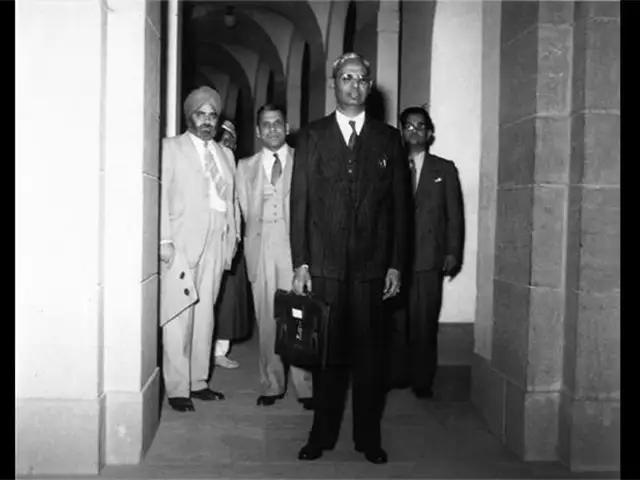
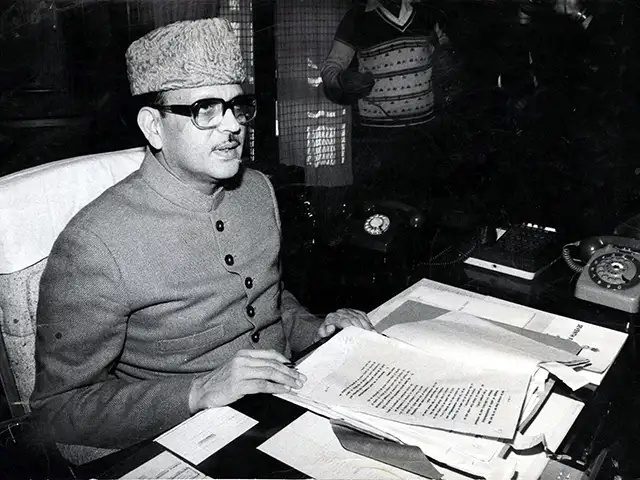
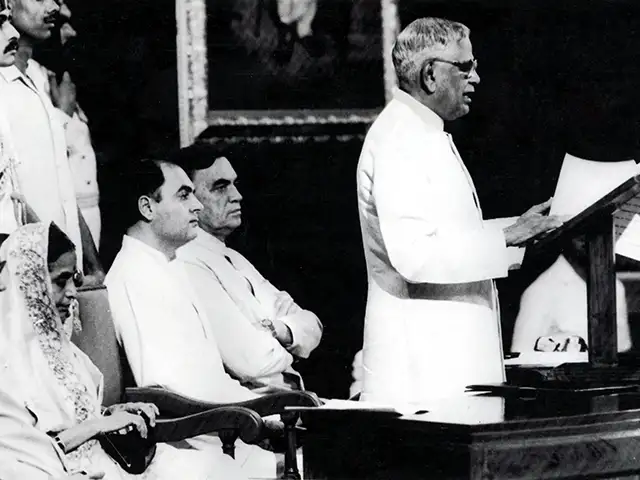
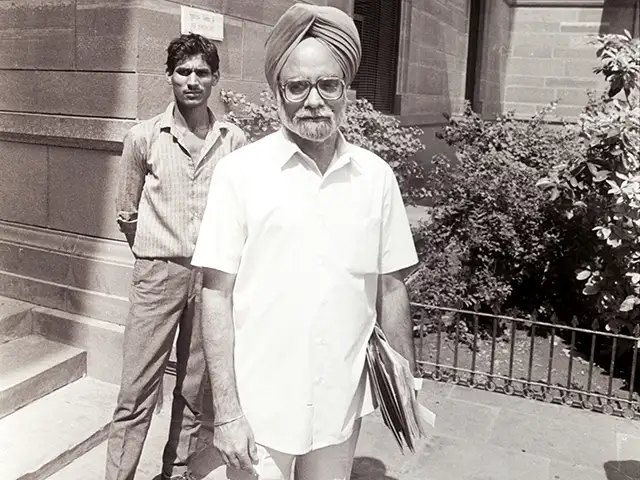
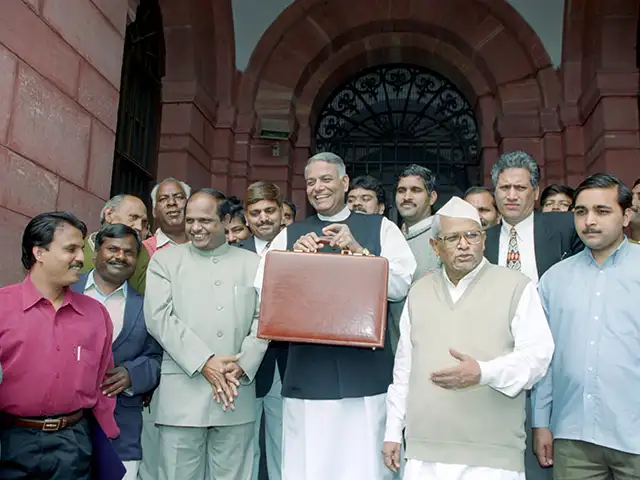
The first budget of Independent India was presented by the first finance minister R K Shanmukham Chetty. This was from the seven-and-a-half period from August 15, 1947 to March 31, 1948. The budget estimate for total revenues was a mere Rs 171.15 crore. A fiscal deficit was a paltry Rs 204.59 cr.

ADVERTISEMENT


