Budget 2017: Arun Jaitley's low-key Budget misses demonetisation note
Cash transactions of more than Rs 3 lakh have been banned. But how will this be implemented? The rural economy is still mostly cash based.
By Swaminathan S Anklesaria Aiyar, ET Bureau |

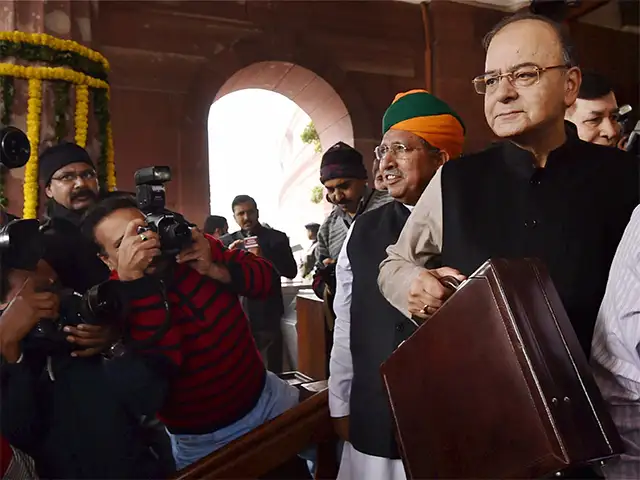
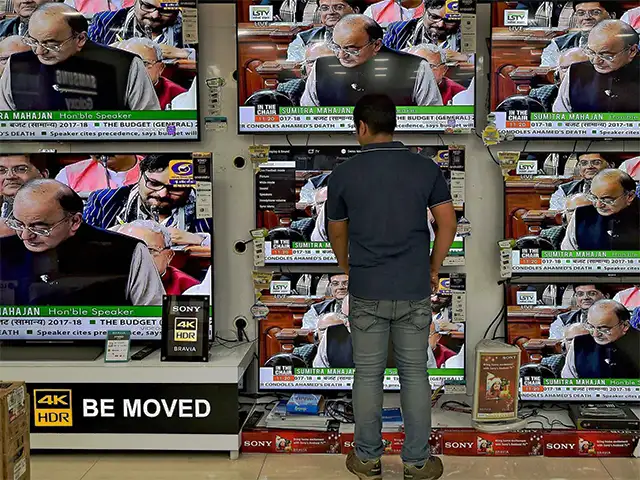
NEW DELHI: A modest, low-key Budget evoked a frenzied 486-point gain in the Sensex because of relief at inaction, and not because FM Arun Jaitley promised to "transform, energise and cleanse" India.
And Jaitley lost the opportunity to distribute the demonetisation windfall through 26 crore Jan Dhan accounts that would have directly benefited the masses from PM Modi’s crusade against black money. Putting the windfall into general government spending is poor political economy.
Markets were delighted that much feared levies on capital gains did not occur, tax exemption for indirect capital gains of foreign portfolio investors was reaffirmed, service tax was not increased to 18%, and net market borrowings showed a fall from Rs 4.25 lakh to Rs 3.49 lakh crore.
Markets also cheered abolition of Foreign Investment Promotion Board, a 25% rise in capital expenditure, rise in rural spending, and sops for the stricken housing sector.
Last year Jaitley promised to cut the FY18 fiscal deficit to 3% of GDP. He now proposes 3.2%, postponing the 3% target to the following year. He has postponed this twice in four years.
Also Read: Get all updates, reactions of Union Budget
Jaitley had pledged to cut the corporate tax rate from 30% to 25% to compete with rates in Asian competitors. Last year he reduced the rate to 29% for selected companies. This year he has cut it to 25% only for companies with a turnover of under Rs 50 crore (which don’t typically compete with Asian neighbours). True, the big companies get more tax breaks, but a cut to at least 28% was in order.
Earlier promises of privatisation (renamed strategic sales) have been mothballed. The budget optimistically hopes for Rs 72,500 crore from PSU divestment, against Rs 45,500 crore this year. It aims to get this partly from ETFs of PSU shares and partly from new public issues of existing railway corporations, like IRCON, IRCTC and IRFC. But last year's ETF aimed to gather no more than Rs 6,000 crore, so its scope seems limited.
The provision of just Rs 10,000 crore for public sector bank recapitalisation looks woefully inadequate, given their rising bad debts. The twin-balance sheet problem (over-leveraged corporations and banks) is nowhere near resolution.
Jaitley has proposed measures to improve honesty and transparency in political funding, but these are toothless. He has slashed the limit for anonymous cash donations from Rs 20,000 to Rs 2,000 per donor. As laundering of high-value notes showed earlier, such curbs are easily evaded. Political managers can simply raise number of bogus donors tenfold.
Anyway, only a tiny fraction of political money ever enters party registers, so the new measure cannot cleanse politics. Jaitley has proposed electoral bonds to attract legitimate political donations, but the truth is that donors don’t want the legitimate route any more than political parties.
Cash transactions of more than Rs 3 lakh have been banned. But how will this be implemented? The rural economy is still mostly cash based. So is jewellery. The police-judicial system is overloaded and hardly capable of enforcing the new measure.
By lowering the income-tax rate on the bottom slab from 10% to 5% and imposing a 10% surcharge on higher slabs, Jaitley has transferred the tax burden from the lower middle class to the upper middle class. By itself, the new 5% rate is hardly likely to improve India's pathetic tax compliance. Far more promising is Jaitley's aim to use data mining of demonetisation and GST to reveal inconsistencies and evasion. Tough follow-up action can greatly improve compliance in the medium term.
Over 90% of FDI proposals already go by the automatic route. This makes possible the abolition of the FIPB. FDI in strategic areas (defence, telecom) will still need clearance.
And Jaitley lost the opportunity to distribute the demonetisation windfall through 26 crore Jan Dhan accounts that would have directly benefited the masses from PM Modi’s crusade against black money. Putting the windfall into general government spending is poor political economy.
Markets were delighted that much feared levies on capital gains did not occur, tax exemption for indirect capital gains of foreign portfolio investors was reaffirmed, service tax was not increased to 18%, and net market borrowings showed a fall from Rs 4.25 lakh to Rs 3.49 lakh crore.
Markets also cheered abolition of Foreign Investment Promotion Board, a 25% rise in capital expenditure, rise in rural spending, and sops for the stricken housing sector.
Last year Jaitley promised to cut the FY18 fiscal deficit to 3% of GDP. He now proposes 3.2%, postponing the 3% target to the following year. He has postponed this twice in four years.
Also Read: Get all updates, reactions of Union Budget
ADVERTISEMENT
Jaitley had pledged to cut the corporate tax rate from 30% to 25% to compete with rates in Asian competitors. Last year he reduced the rate to 29% for selected companies. This year he has cut it to 25% only for companies with a turnover of under Rs 50 crore (which don’t typically compete with Asian neighbours). True, the big companies get more tax breaks, but a cut to at least 28% was in order.
Earlier promises of privatisation (renamed strategic sales) have been mothballed. The budget optimistically hopes for Rs 72,500 crore from PSU divestment, against Rs 45,500 crore this year. It aims to get this partly from ETFs of PSU shares and partly from new public issues of existing railway corporations, like IRCON, IRCTC and IRFC. But last year's ETF aimed to gather no more than Rs 6,000 crore, so its scope seems limited.
The provision of just Rs 10,000 crore for public sector bank recapitalisation looks woefully inadequate, given their rising bad debts. The twin-balance sheet problem (over-leveraged corporations and banks) is nowhere near resolution.
Jaitley has proposed measures to improve honesty and transparency in political funding, but these are toothless. He has slashed the limit for anonymous cash donations from Rs 20,000 to Rs 2,000 per donor. As laundering of high-value notes showed earlier, such curbs are easily evaded. Political managers can simply raise number of bogus donors tenfold.
ADVERTISEMENT
Anyway, only a tiny fraction of political money ever enters party registers, so the new measure cannot cleanse politics. Jaitley has proposed electoral bonds to attract legitimate political donations, but the truth is that donors don’t want the legitimate route any more than political parties.
Cash transactions of more than Rs 3 lakh have been banned. But how will this be implemented? The rural economy is still mostly cash based. So is jewellery. The police-judicial system is overloaded and hardly capable of enforcing the new measure.
ADVERTISEMENT
By lowering the income-tax rate on the bottom slab from 10% to 5% and imposing a 10% surcharge on higher slabs, Jaitley has transferred the tax burden from the lower middle class to the upper middle class. By itself, the new 5% rate is hardly likely to improve India's pathetic tax compliance. Far more promising is Jaitley's aim to use data mining of demonetisation and GST to reveal inconsistencies and evasion. Tough follow-up action can greatly improve compliance in the medium term.
Over 90% of FDI proposals already go by the automatic route. This makes possible the abolition of the FIPB. FDI in strategic areas (defence, telecom) will still need clearance.
Download
The Economic Times Business News App for the Latest News in Business, Sensex, Stock Market Updates & More.
The Economic Times Business News App for the Latest News in Business, Sensex, Stock Market Updates & More.
Download
The Economic Times News App for Quarterly Results, Latest News in ITR, Business, Share Market, Live Sensex News & More.
The Economic Times News App for Quarterly Results, Latest News in ITR, Business, Share Market, Live Sensex News & More.
Click next to know more about this Budget's many firsts.


ADVERTISEMENT


