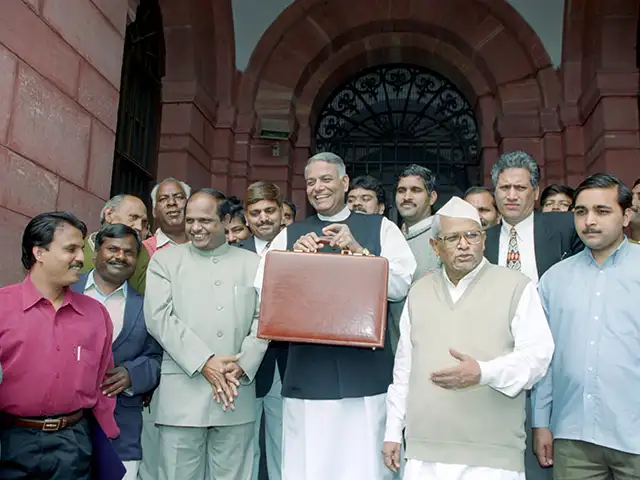
Budget 2017 allocation to Water Resources Ministry hiked by 11 per cent

The rise translates to Rs 685.79 crore. Of the total allocation, Rs 4204 crore is marked for central sector schemes/project.

Budget 2017 allocation to Water Resources Ministry hiked by 11 per cent
NEW DELHI: The budgetary allocation for the Union Water Resources Ministry has been increased by 11 per cent to Rs 6887.00 crore from Rs 6201.21 crore for the on-going fiscal.

The rise translates to Rs 685.79 crore. Of the total allocation, Rs 4204 crore is marked for central sector schemes/project.

The Finance Ministry has increased allocation for its ambitious Namami Gange programme from Rs 2150 crore for the on-going fiscal to Rs 2250 crore for next financial year, according to the Water Resources Ministry.

The corpus of Long Term Irrigation Fund (LTIF), instituted in NABARD as part of Pradhan Mantri Krishi Sinchai Yojana (PMKSY), has been doubled from Rs 20,000 crore to 40,000 crore, a ministry statement said.

The government had made a budgetary provision of Rs 12,517 crore for the fund in the Union budget of 2016-17.
Download
The Economic Times Business News App
for the Latest News in Business, Sensex, Stock Market Updates & More.
Download
The Economic Times News App
for Quarterly Results, Latest News in ITR, Business, Share Market, Live Sensex News & More.
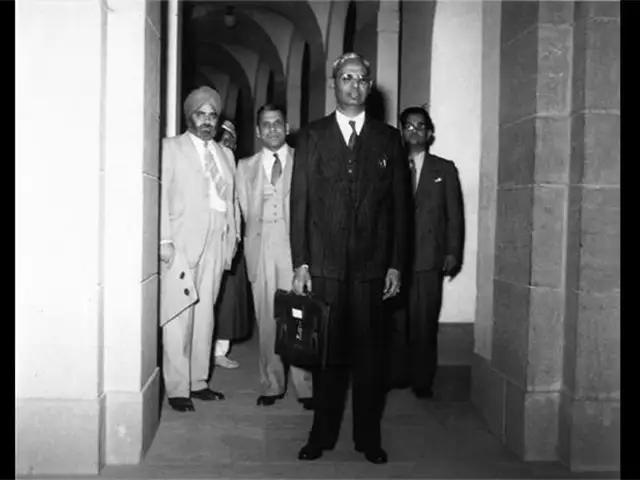
Nine Budgets that helped shape India's economy
1/8

The first budget of Independent India was presented by the first finance minister R K Shanmukham Chetty. This was from the seven-and-a-half period from August 15, 1947 to March 31, 1948. The budget estimate for total revenues was a mere Rs 171.15 crore. A fiscal deficit was a paltry Rs 204.59 cr.
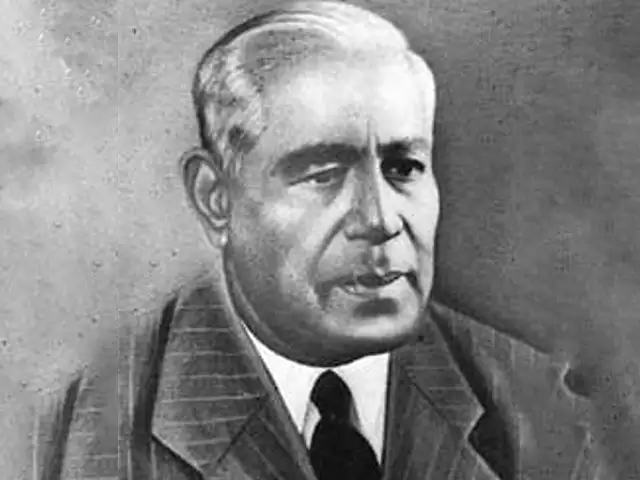
The first budget of Independent India was presented by the first finance minister R K Shanmukham Chetty. This was from the seven-and-a-half period from August 15, 1947 to March 31, 1948. The budget e..
Read More
Presented by John Mathai, the finance minister in the Congress government, this budget laid down the road map to the creation of the Planning Commission. The Planning Commission assesses all resources of the country and plans the most effective use of these resources.

Jawaharlal Nehru was the first chairman of the Planning Commission.
Presented by John Mathai, the finance minister in the Congress government, this budget laid down the road map to the creation of the Planning Commission. The Planning Commission assesses all resource..
Read More
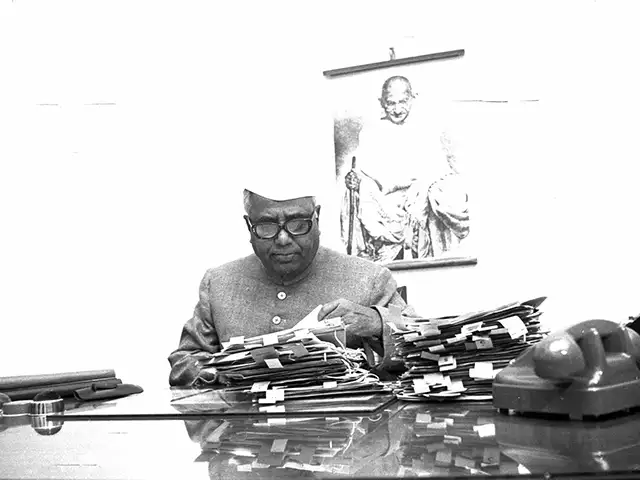
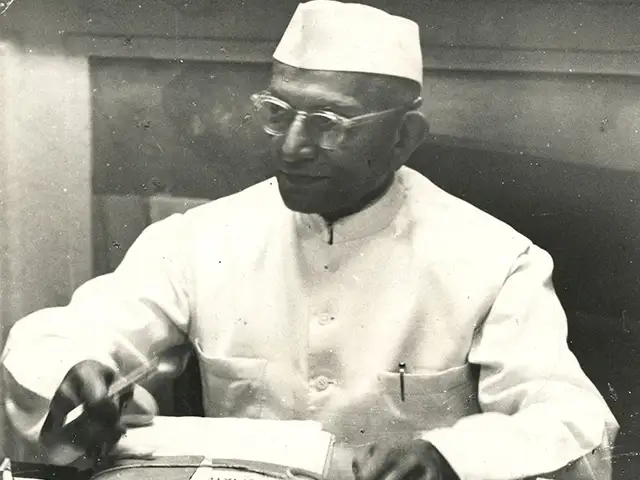
Morarji Ranchhodji Desai's budget ended the need for excise department officials to step and assess each goods leaving the factory gate. It introduced the system of self-assessment that all big and small manufacturers could follow.

In this budget, Desai withdrew the "spouse allowance" where both a husband and wife were income tax payers, as he said in his budget speech: "it would be improper for any outsider to decide as to who is dependent on whom… to eliminate this unintended strain on the relationship of marriage".

Desai was also the only Union Minister to have presented 10 budgets.
Morarji Ranchhodji Desai's budget ended the need for excise department officials to step and assess each goods leaving the factory gate. It introduced the system of self-assessment that all big and s..
Read More
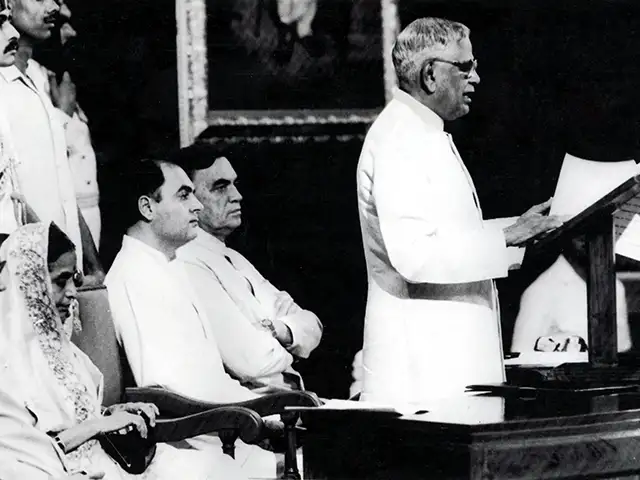
Yashwantrao B. Chavan presented this budget on February 28, 1973. During this year, the budget deficit was as high as Rs 550 crores. The Black Budget provided Rs 56 crore for the nationalisation of the general insurance companies, Indian Copper Corp and coal mines.

This was to allow uninterrupted supply of coal in line with the growing demand for coal in industries like power, cement and steel.
Yashwantrao B. Chavan presented this budget on February 28, 1973. During this year, the budget deficit was as high as Rs 550 crores. The Black Budget provided Rs 56 crore for the nationalisation of t..
Read More
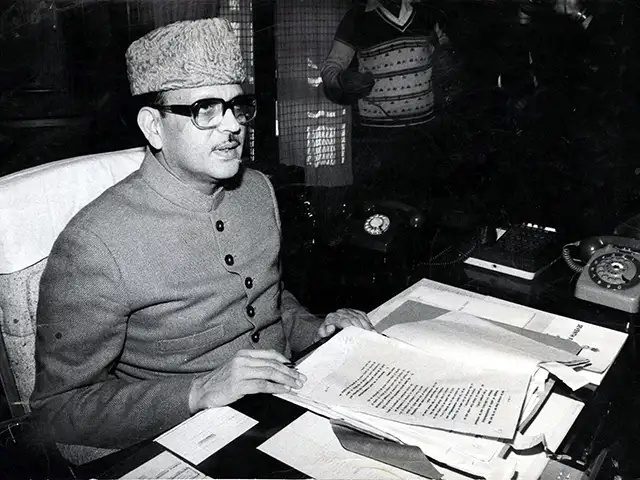
VP Singh, minister of finance in the Congress government presented the budget of February 28, 1986. This budget oversaw the beginning of the dismantling of the license raj. This budget was also the modest beginning at major indirect tax reforms that would lead to the change in GST regime.
VP Singh, minister of finance in the Congress government presented the budget of February 28, 1986. This budget oversaw the beginning of the dismantling of the license raj. This budget was also the m..
Read More
Highly profitable companies that were legally managing to avoid paying income tax were brought into the tax net with this budget. It became a major source of revenue for the government thereafter.
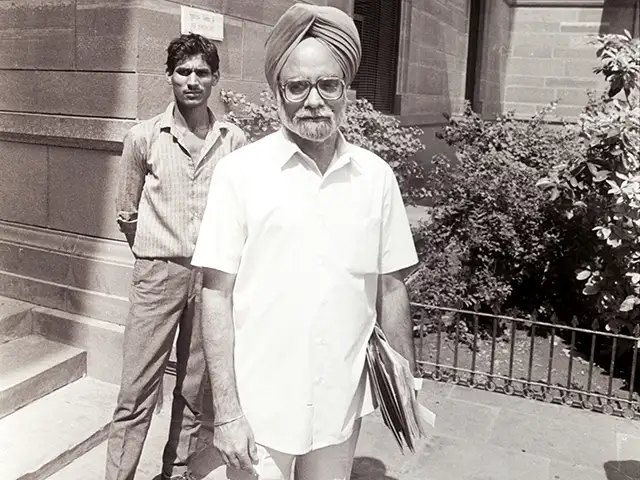
Manmohan Singh, the Finance Minister in the Narasimha Rao government, presented this one on July 24, 1991. This budget overhauled the import-export policy. It also slashed the import licensing and promoted exports at optimal import compression. This exposed the Indian industry to global competition.
Manmohan Singh, the Finance Minister in the Narasimha Rao government, presented this one on July 24, 1991. This budget overhauled the import-export policy. It also slashed the import licensing and pr..
Read More
Finance Minister Yashwant Sinha presented this budget on February 29, 2000 with an intention to promote India as a major software development hub. The introduction of software export led to an exceptional growth in the Indian IT industry.
Finance Minister Yashwant Sinha presented this budget on February 29, 2000 with an intention to promote India as a major software development hub. The introduction of software export led to an except..
Read More
READ MORE
ADVERTISEMENT

READ MORE:

LOGIN & CLAIM

50 TIMESPOINTS

Full coverage on Budget

More from our Partners

Loading next story
Business News › News › Economy › Policy › Budget 2017 allocation to Water Resources Ministry hiked by 11 per cent
Text Size:AAA
Success
This article has been saved

*

+