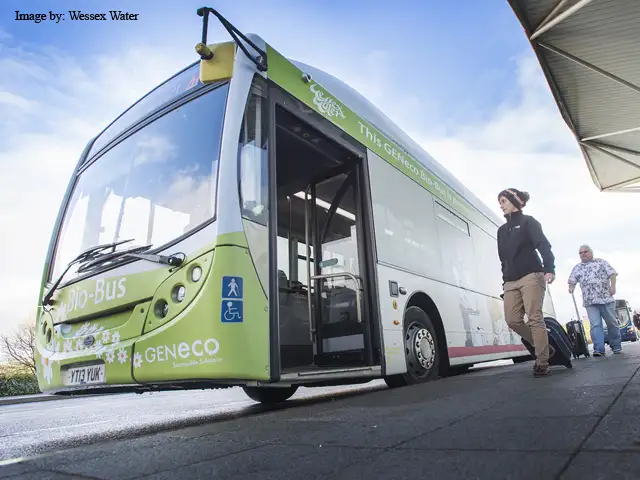
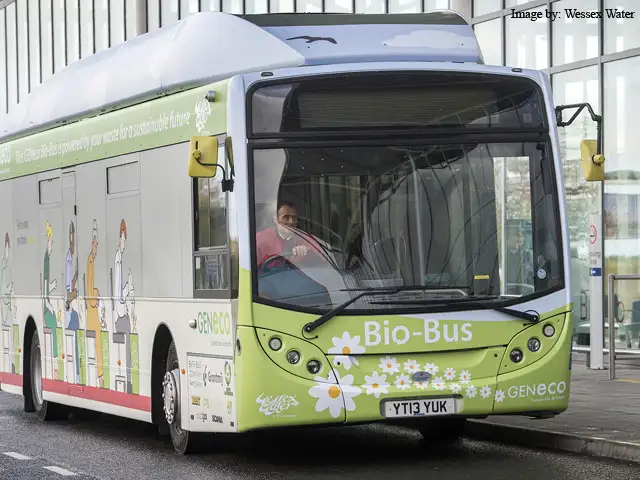
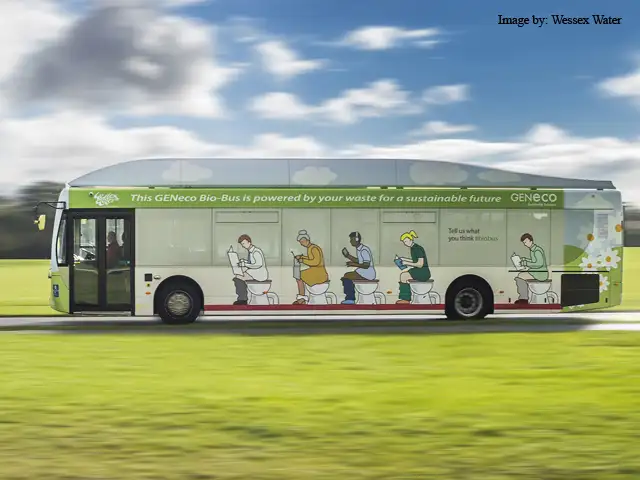
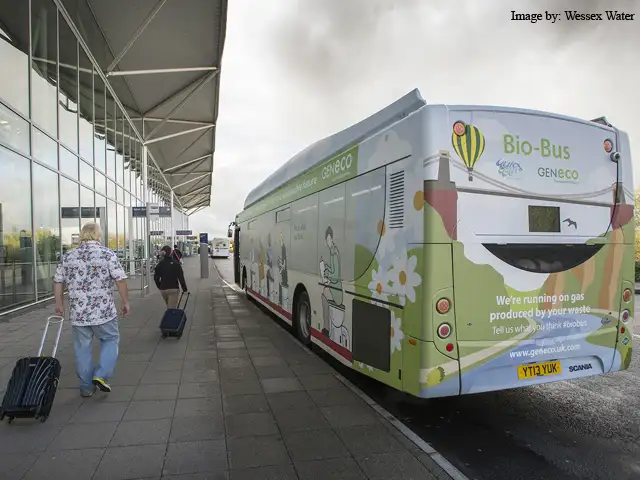
Soon UPSRTC may introduce 'poo bus' that runs on human and household waste
Transport officials said all cities across the 75 districts could have these buses. The poop of 100 humans, they said, can fuel a 200-km ride.
By Arvind Chauhan, TNN | Updated:

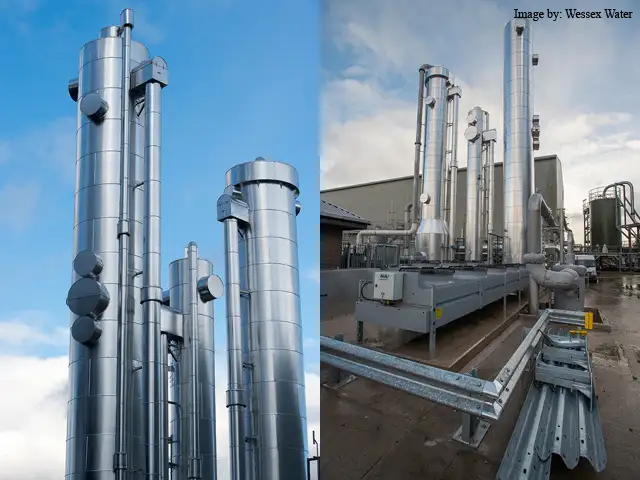
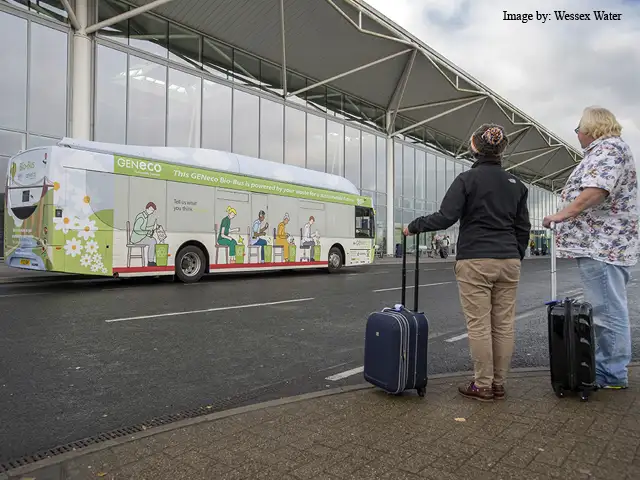
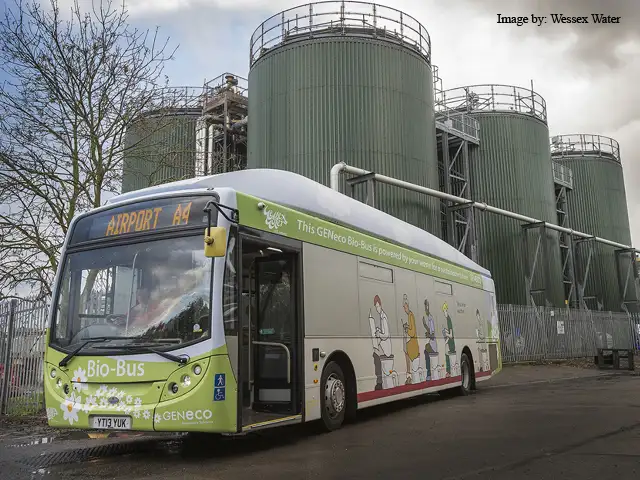
AGRA: In March this year, the first ' poo bus' rolled out in the UK, powered by human and household waste. Now, Uttar Pradesh State Road Transport Corporation is mulling over the introduction of these buses for intra-city services, across all 75 districts.
The corporation has been in talks with Swedish bus maker Scania, which produces vehicles fuelled by human waste. If this project sees the light of day, UP will be the first state in the country to have bio-fuel powering buses.
Top road transport officials said all cities across the 75 districts could have these buses. The poop of 100 humans, they said, was all it would take to fuel a 200-km ride.
Buses that run on poop already ply the streets of Britain, Italy, Sweden and Poland. Ravinder Singh, service manager, Agra division of UPSRTC, said, "The Swedish bus maker showed a presentation to our representatives on how human excreta and household waste could provide a sustainable way of fuelling public transport, while also improving urban air quality."
He explained that entire operational system - running the buses, their maintenance, the timing of trips and travel hours, cost of fuel and salaries of drivers will be taken care of by the Swedish firm. "We will pay them a certain amount as fees for per km operations, say around Rs 60 to Rs 75, depending on the areas/cities of operation," Singh said.
He said the Swedish firm would generate bio-fuel from bio-waste like human excreta and household garbage.
Agra city discharges 320.75 million litres per day (mld) of waste daily into the sewage system. An additional 750 metric tonnes of solid waste, both bio- and non-biodegradable, are produced each day in the city, which could be used to make methane gas to run buses, Singh said.
Shiva Kumar V, director (sales) of Scania Commercial Vehicles India Private Limited said, "Yes, we have been in talks about the bio-methane buses for UP State Road Transport Corporation. At present, though, we are focusing on the ethanol-run buses."
UPSRTC is set to introduce, by the end of this year, ethanol-run buses that will ferry long-distance travellers. The first such buses are to be introduced in Agra and Lucknow.
The corporation has been in talks with Swedish bus maker Scania, which produces vehicles fuelled by human waste. If this project sees the light of day, UP will be the first state in the country to have bio-fuel powering buses.
Top road transport officials said all cities across the 75 districts could have these buses. The poop of 100 humans, they said, was all it would take to fuel a 200-km ride.
Buses that run on poop already ply the streets of Britain, Italy, Sweden and Poland. Ravinder Singh, service manager, Agra division of UPSRTC, said, "The Swedish bus maker showed a presentation to our representatives on how human excreta and household waste could provide a sustainable way of fuelling public transport, while also improving urban air quality."
He explained that entire operational system - running the buses, their maintenance, the timing of trips and travel hours, cost of fuel and salaries of drivers will be taken care of by the Swedish firm. "We will pay them a certain amount as fees for per km operations, say around Rs 60 to Rs 75, depending on the areas/cities of operation," Singh said.
He said the Swedish firm would generate bio-fuel from bio-waste like human excreta and household garbage.
ADVERTISEMENT
Agra city discharges 320.75 million litres per day (mld) of waste daily into the sewage system. An additional 750 metric tonnes of solid waste, both bio- and non-biodegradable, are produced each day in the city, which could be used to make methane gas to run buses, Singh said.
Shiva Kumar V, director (sales) of Scania Commercial Vehicles India Private Limited said, "Yes, we have been in talks about the bio-methane buses for UP State Road Transport Corporation. At present, though, we are focusing on the ethanol-run buses."
UPSRTC is set to introduce, by the end of this year, ethanol-run buses that will ferry long-distance travellers. The first such buses are to be introduced in Agra and Lucknow.
Download
The Economic Times Business News App for the Latest News in Business, Sensex, Stock Market Updates & More.
The Economic Times Business News App for the Latest News in Business, Sensex, Stock Market Updates & More.
Download
The Economic Times News App for Quarterly Results, Latest News in ITR, Business, Share Market, Live Sensex News & More.
The Economic Times News App for Quarterly Results, Latest News in ITR, Business, Share Market, Live Sensex News & More.
Economictimes.com
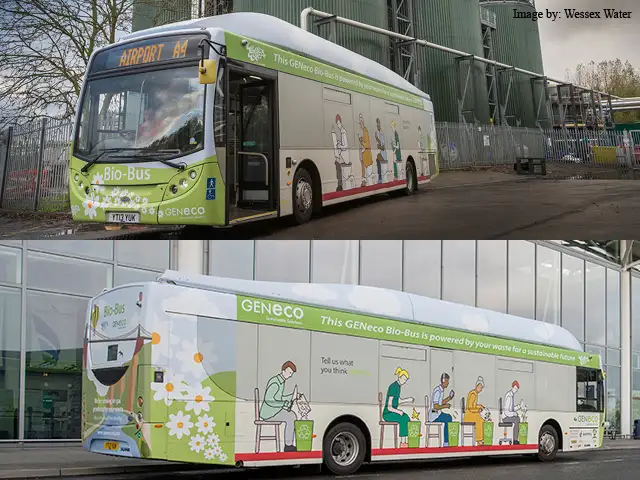
Recently, UK's first food and human waste-powered bus took to the road. UK hopes that the bus will provide a sustainable way of fuelling public transport, by cutting emissions in polluted towns and cities.
We take a look at the salient advantages of the bus:
Recently, UK's first food and human waste-powered bus took to the road. UK hopes that the bus will provide a sustainable way of fuelling public transport, by cutting emissions in polluted towns and cities.
We take a look at the salient advantages of the bus: