Smart city's mobility can work only if it makes people comfortable
Connecting smart mobility with sustainable development, transport experts made a pitch for development that doesn't just rely on technology.
By Rumu Banerjee, TNN | Updated:

NEW DELHI: Smart cities are not just about getting smart. It's also about listening to the needs of the people. That's the lesson that panelists of the smart mobility session at ConnectKaro, a meet on smart cities for sustainable development, shared on Wednesday.
Connecting smart mobility with sustainable development, transport experts made a pitch for development that doesn't just rely on technology but also connects that technology to the citizens' requirements — an accessible public transport system, last-mile connectivity and most importantly, reclaiming the roads for people, not just vehicles.
Making a strong case for a robust mass rapid transit system (MRTS), Prof Shivanand Swamy, architect of the bus rapid transit (BRT) system in Ahmedabad, said, "Without BRT, we cannot have mobility security." According to Swamy, with high motorization rates, the country needs a mass transit system. "It's not possible to cover a city the size of Delhi with only a rail system. At least 700-800km of MRTS is required, and this can be done by bolstering Metro along with BRTs."
It's a scenario that Diego Monraz can understand very well. The transport secretary of Guadalajara, the second largest city in Mexico, Monraz was in charge of its BRT system that came up in 2007-08. The 16km corridor, which went through the most congested bus route in Guadalajara, took 12 months to complete. Today, the corridor carries 1,39,000 commuters every day, with the city government looking to add two more corridors in the next five years.
Monraz remembers how it came up after a biking event--much like TOI's Raahgiri--was started. "It was planned for 5,000 people, and 20,000 participated. That's when we realized how the city needed alternative transport solutions."
What everybody agreed on is the need for political will. While Swamy said the Ahmedabad BRT took off because of the approval of the Gujarat government, Monraz and Diego Hidalgo of Embarq, an organization with expertise in BRTs, admit that political will is a must. "The biggest change doesn't just come from people, but from the political class," said Monraz. So is a workable BRT possible in Delhi? "Delhi needs a minimum of 25-30km of the BRT network. Put specialized high capacity buses in it, and make it a closed system. Make it work like Metro, and it will carry more commuters than Metro," predicted Swamy .
Constructing a metro and a bus system is, however, only half the solution, said Peter Piet of Steer Davies & Gleave, a transport consultancy . "Why would anyone move from the comfort of a car to public transport unless you make that transition comfortable?" Piet said. People moved to public transport in London, he pointed out, only because the interchange was made easy. First and last-mile connectivity, accessibility and information are the only way to encourage people to make that transition. "Making schedules easily available allows the commuter to plan her trip, and that gives reliability," he said.
Connecting smart mobility with sustainable development, transport experts made a pitch for development that doesn't just rely on technology but also connects that technology to the citizens' requirements — an accessible public transport system, last-mile connectivity and most importantly, reclaiming the roads for people, not just vehicles.
Making a strong case for a robust mass rapid transit system (MRTS), Prof Shivanand Swamy, architect of the bus rapid transit (BRT) system in Ahmedabad, said, "Without BRT, we cannot have mobility security." According to Swamy, with high motorization rates, the country needs a mass transit system. "It's not possible to cover a city the size of Delhi with only a rail system. At least 700-800km of MRTS is required, and this can be done by bolstering Metro along with BRTs."
It's a scenario that Diego Monraz can understand very well. The transport secretary of Guadalajara, the second largest city in Mexico, Monraz was in charge of its BRT system that came up in 2007-08. The 16km corridor, which went through the most congested bus route in Guadalajara, took 12 months to complete. Today, the corridor carries 1,39,000 commuters every day, with the city government looking to add two more corridors in the next five years.
Monraz remembers how it came up after a biking event--much like TOI's Raahgiri--was started. "It was planned for 5,000 people, and 20,000 participated. That's when we realized how the city needed alternative transport solutions."
What everybody agreed on is the need for political will. While Swamy said the Ahmedabad BRT took off because of the approval of the Gujarat government, Monraz and Diego Hidalgo of Embarq, an organization with expertise in BRTs, admit that political will is a must. "The biggest change doesn't just come from people, but from the political class," said Monraz. So is a workable BRT possible in Delhi? "Delhi needs a minimum of 25-30km of the BRT network. Put specialized high capacity buses in it, and make it a closed system. Make it work like Metro, and it will carry more commuters than Metro," predicted Swamy .
ADVERTISEMENT
Constructing a metro and a bus system is, however, only half the solution, said Peter Piet of Steer Davies & Gleave, a transport consultancy . "Why would anyone move from the comfort of a car to public transport unless you make that transition comfortable?" Piet said. People moved to public transport in London, he pointed out, only because the interchange was made easy. First and last-mile connectivity, accessibility and information are the only way to encourage people to make that transition. "Making schedules easily available allows the commuter to plan her trip, and that gives reliability," he said.
Download
The Economic Times Business News App for the Latest News in Business, Sensex, Stock Market Updates & More.
The Economic Times Business News App for the Latest News in Business, Sensex, Stock Market Updates & More.
Download
The Economic Times News App for Quarterly Results, Latest News in ITR, Business, Share Market, Live Sensex News & More.
The Economic Times News App for Quarterly Results, Latest News in ITR, Business, Share Market, Live Sensex News & More.
Moinak Mitra, ET Bureau
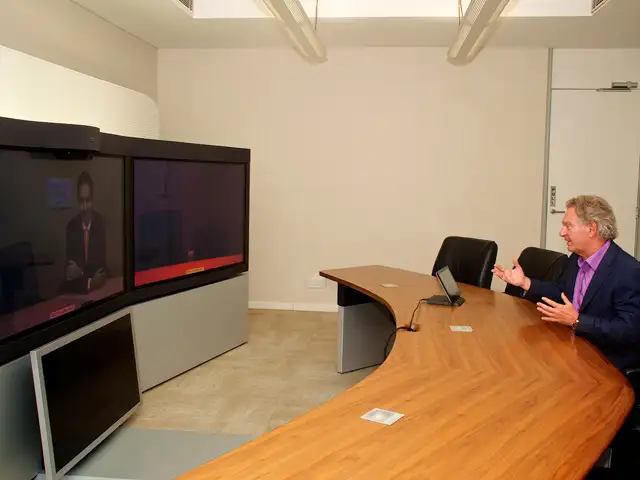
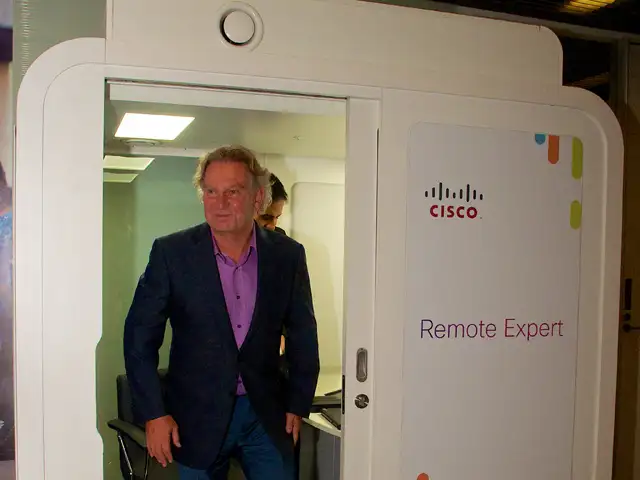
As the Chief Globalisation Officer at Cisco, Wim Elfrink prides himself on applying digital overlay to physical infrastructure.
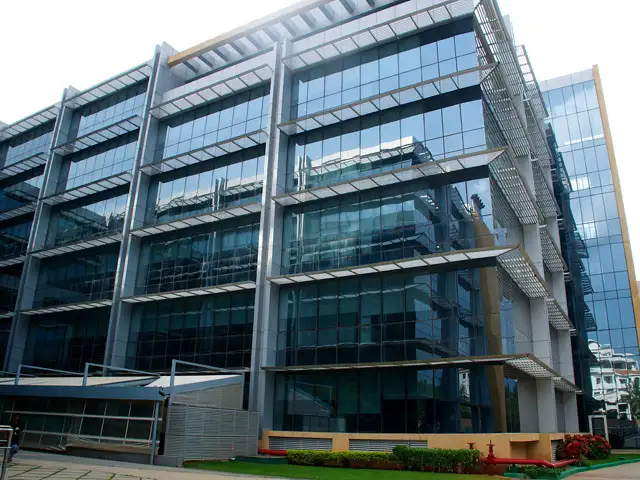
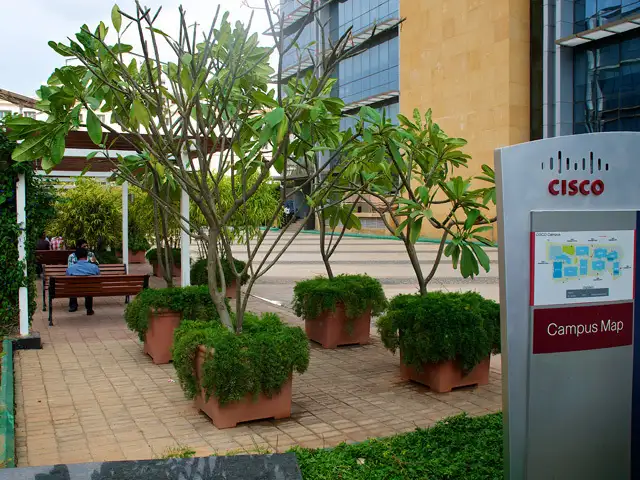
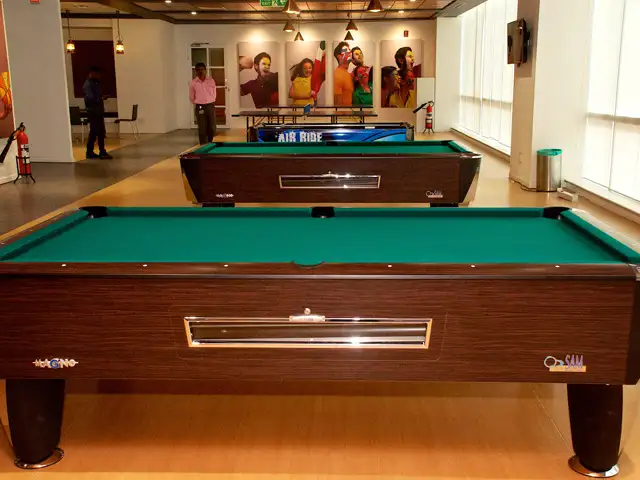
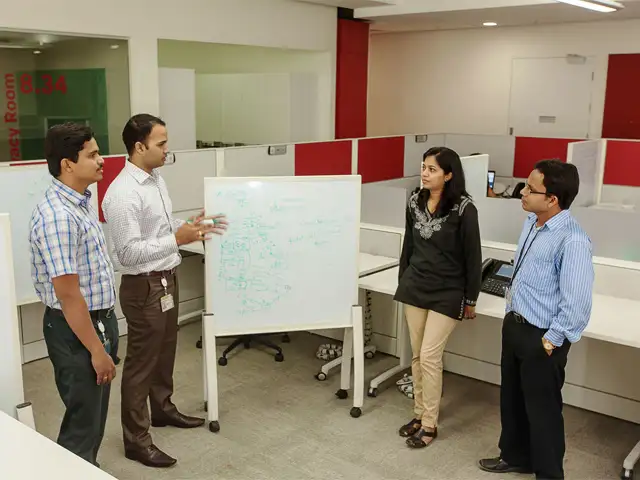
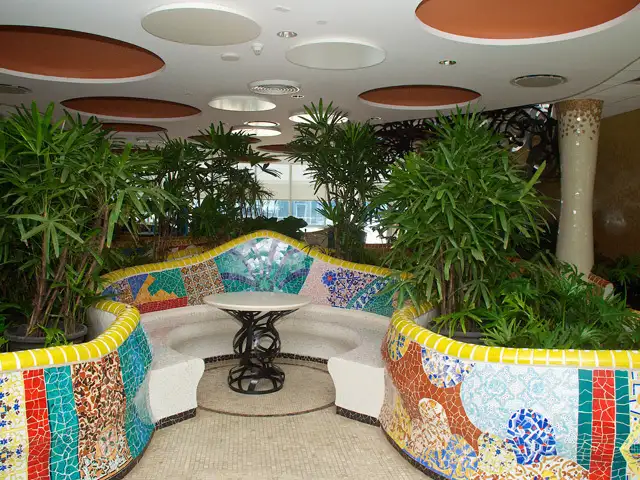
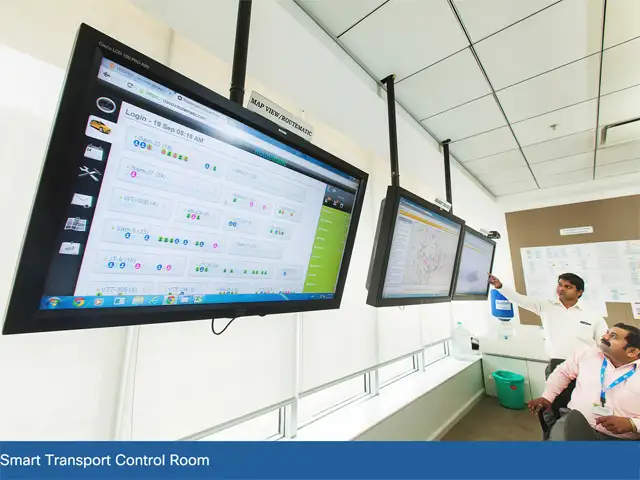
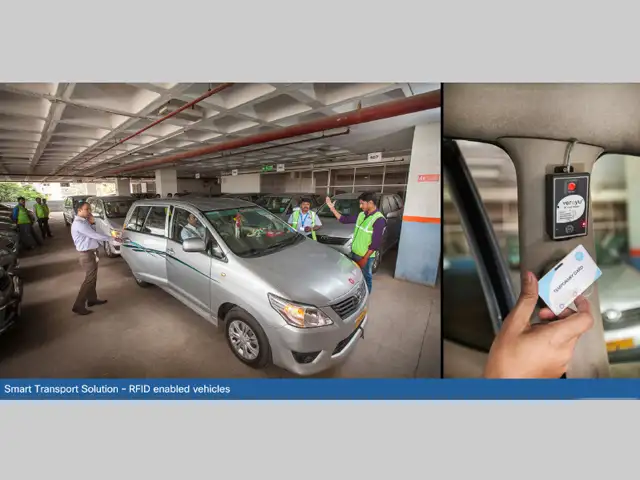
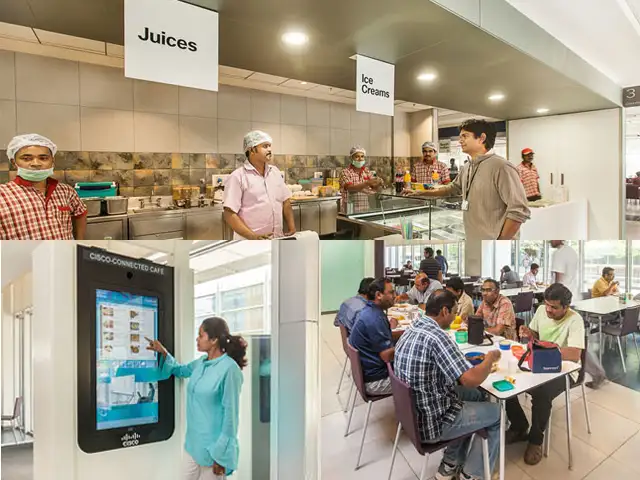
He's also the brain behind the 2.18 million square feet Cisco Smart Campus in Bengaluru that houses eight glass-and-concrete buildings showcasing a digitally connected and sustainable environment where 8,500-odd techies don't have an assigned workplace.
The campus ecosystem resembles a smart city and is in line with Prime Minister Narendra Modi's big idea of digitising India by setting up 100 smart cities.
As the Chief Globalisation Officer at Cisco, Wim Elfrink prides himself on applying digital overlay to physical infrastructure.
He's also the brain behind the 2.18 million square feet Cisco Smart Campus in Bengaluru that houses eight glass-and-concrete buildings showcasing a digitally connected and sustainable environment where 8,500-odd techies don't have an assigned workplace.
The campus ecosystem resembles a smart city and is in line with Prime Minister Narendra Modi's big idea of digitising India by setting up 100 smart cities.

ADVERTISEMENT


