Smart cities may be developed around Kandla and Paradip ports
Govt will prepare a perspective plan for the entire coastline which will identify potential geographical regions to be called Coastal Economic Zones.
By Ruchika Chitravanshi, ET Bureau | Updated:

NEW DELHI: Kandla and Paradip, home to two major port trusts, are going to join the 'smart cities' bandwagon as the shipping ministry wants to kick-start development of smart cities around major ports with the two cities on the basis of the land banks of its ports. The government plans to develop port-led industry and townships along with green initiatives like wind and solar energy parks around the ports, a senior government official said.
"While the exact definition of smart cities is still being finalised, we will take up some of the developmental work in the land which falls under the port trusts," said the official, who did not wish to be identified. Major ports in India own 2.65 lakh acres of land, of which 2.2 lakh acres belongs to Kandla Port alone. However, about 1.98 lakh acres of this land is submerged and unusable. In January 2014, the government had approved policy guidelines for 265,000 acres of land belonging to the 12 major ports, paving the way for monetising the plots. The policy was made applicable for all land except that relating to the township areas of Kandla, Mumbai and Kolkata Ports.
"We are yet to receive any directions from the shipping ministry but internally we have already started the process of getting a consultant for planning and execution of the smart cities project," said Ravi Parmar, chairman of the Kandla Port Trust.
Shipping minister Nitin Gadkari had recently said the government is planning to build one smart city each in all the major ports as part of the Sagarmala project, which got the Cabinet nod recently. The government will prepare a national perspective plan for the entire coastline within six months which will identify potential geographical regions to be called Coastal Economic Zones as part of this exercise.
The project will be integrated with industrial corridors, dedicated freight corridors, national highway development programme, industrial clusters and special economic zones.
The ministry of urban development in a concept note said that a smart city for its sustainability needs to offer economic activities and employment opportunities to a wide section of its residents, regardless of their level of education, skills or income levels. Prime Minister Narendra Modi has set a target of developing 100 smart cities in the country as satellite towns of larger cities and by modernising the existing mid-sized cities. Urban population, currently about 31% of the total population, contributes over 60% of India's GDP. In the next 15 years, it will contribute nearly 75% to the national GDP. The government wants to develop the smart cities in view of increasing urbanisation.
"While the exact definition of smart cities is still being finalised, we will take up some of the developmental work in the land which falls under the port trusts," said the official, who did not wish to be identified. Major ports in India own 2.65 lakh acres of land, of which 2.2 lakh acres belongs to Kandla Port alone. However, about 1.98 lakh acres of this land is submerged and unusable. In January 2014, the government had approved policy guidelines for 265,000 acres of land belonging to the 12 major ports, paving the way for monetising the plots. The policy was made applicable for all land except that relating to the township areas of Kandla, Mumbai and Kolkata Ports.
"We are yet to receive any directions from the shipping ministry but internally we have already started the process of getting a consultant for planning and execution of the smart cities project," said Ravi Parmar, chairman of the Kandla Port Trust.
Shipping minister Nitin Gadkari had recently said the government is planning to build one smart city each in all the major ports as part of the Sagarmala project, which got the Cabinet nod recently. The government will prepare a national perspective plan for the entire coastline within six months which will identify potential geographical regions to be called Coastal Economic Zones as part of this exercise.
The project will be integrated with industrial corridors, dedicated freight corridors, national highway development programme, industrial clusters and special economic zones.
The ministry of urban development in a concept note said that a smart city for its sustainability needs to offer economic activities and employment opportunities to a wide section of its residents, regardless of their level of education, skills or income levels. Prime Minister Narendra Modi has set a target of developing 100 smart cities in the country as satellite towns of larger cities and by modernising the existing mid-sized cities. Urban population, currently about 31% of the total population, contributes over 60% of India's GDP. In the next 15 years, it will contribute nearly 75% to the national GDP. The government wants to develop the smart cities in view of increasing urbanisation.
Download
The Economic Times Business News App for the Latest News in Business, Sensex, Stock Market Updates & More.
The Economic Times Business News App for the Latest News in Business, Sensex, Stock Market Updates & More.
Download
The Economic Times News App for Quarterly Results, Latest News in ITR, Business, Share Market, Live Sensex News & More.
The Economic Times News App for Quarterly Results, Latest News in ITR, Business, Share Market, Live Sensex News & More.
Related Articles
 Bhubaneswar-Cuttack-Puri-Paradip corridor to be driver behind Odisha's growth: NITI Aayog's Anna Roy2025-09-16T16:46:38Z
- Body of missing Chinese sailor fished out of sea in Odisha's Paradip2025-09-07T17:49:56Z
- Security beefed up at Odisha's Paradip after arrival of ship with 21 Pakistani crew members2025-05-14T14:51:38Z
Moinak Mitra, ET Bureau
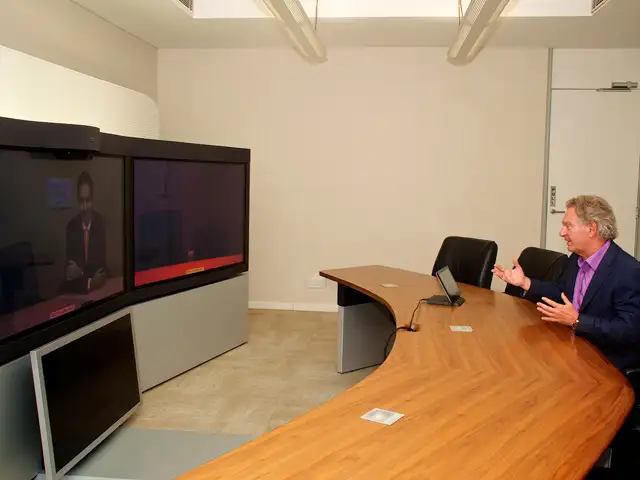
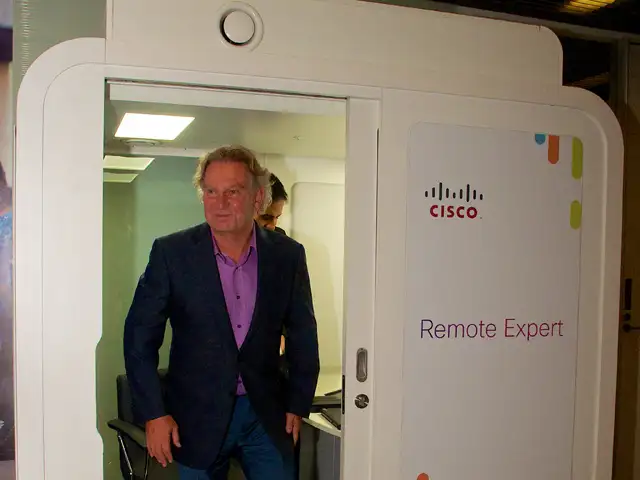
As the Chief Globalisation Officer at Cisco, Wim Elfrink prides himself on applying digital overlay to physical infrastructure.
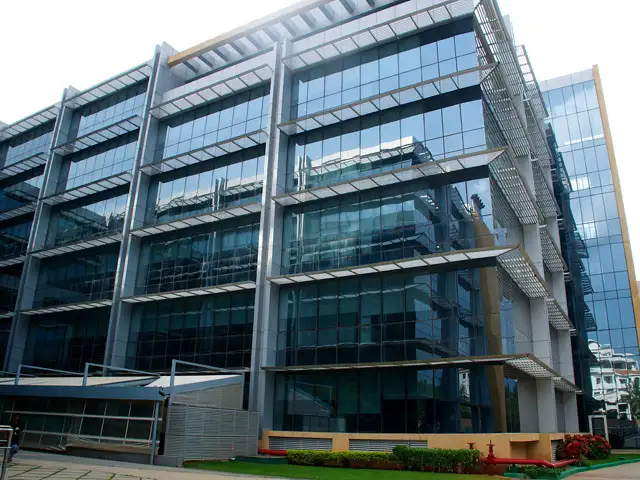
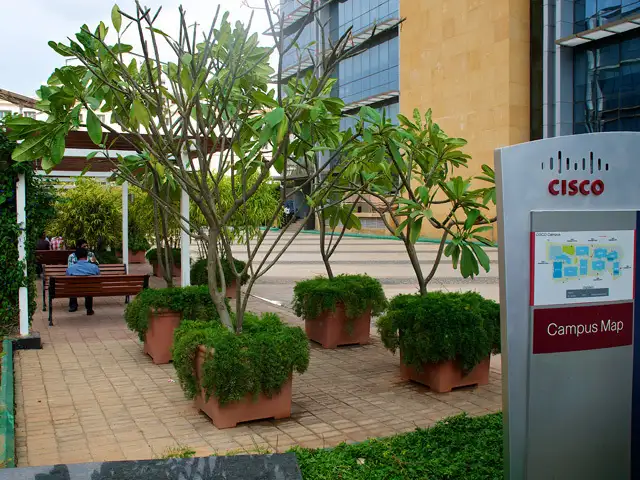
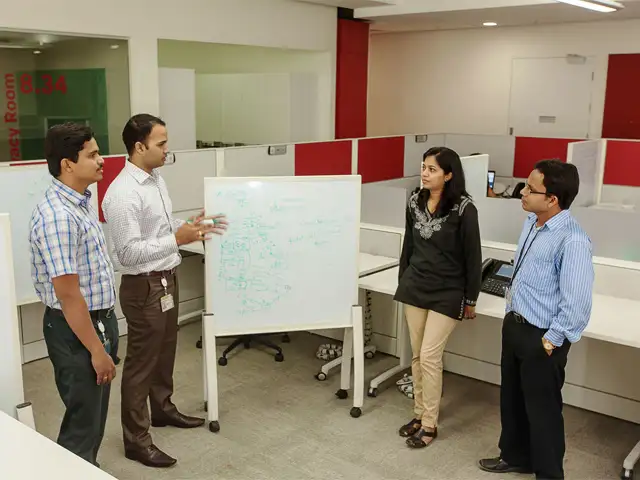
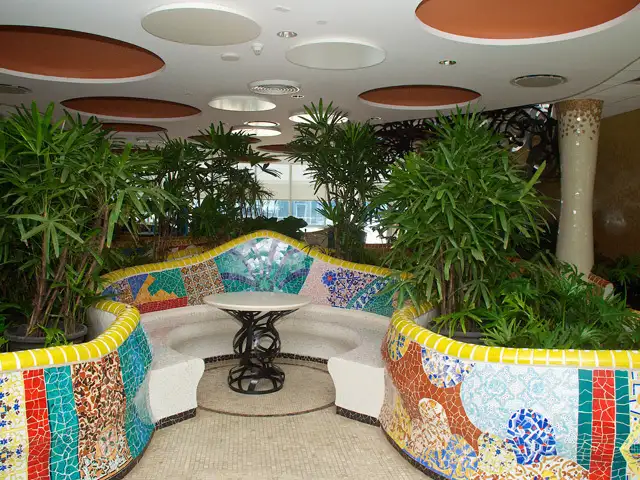
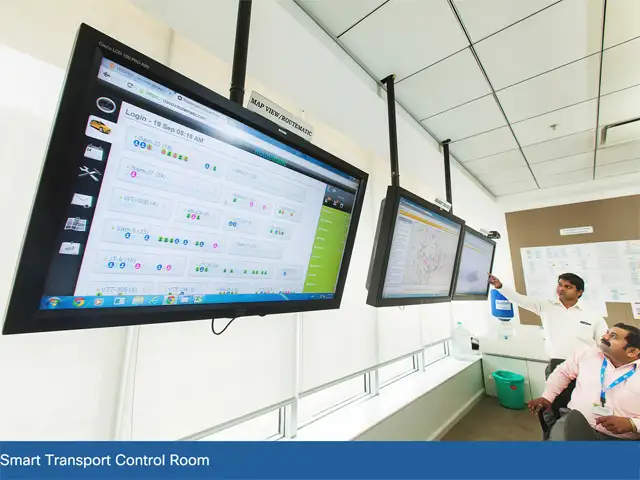
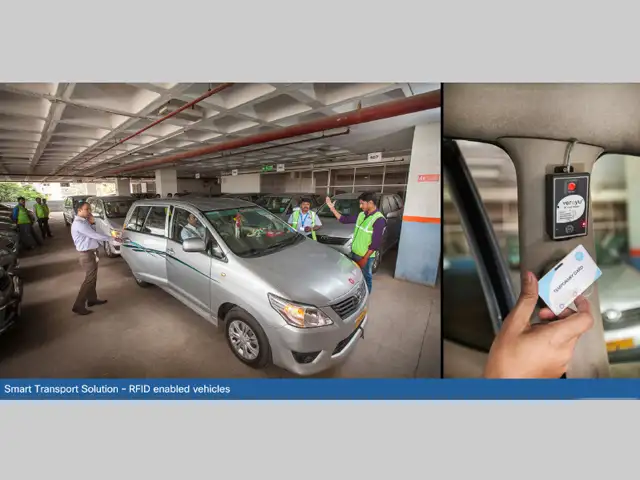
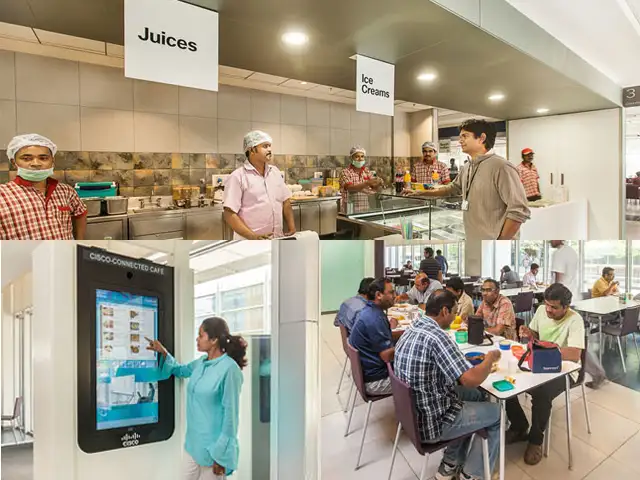
He's also the brain behind the 2.18 million square feet Cisco Smart Campus in Bengaluru that houses eight glass-and-concrete buildings showcasing a digitally connected and sustainable environment where 8,500-odd techies don't have an assigned workplace.
The campus ecosystem resembles a smart city and is in line with Prime Minister Narendra Modi's big idea of digitising India by setting up 100 smart cities.
As the Chief Globalisation Officer at Cisco, Wim Elfrink prides himself on applying digital overlay to physical infrastructure.
He's also the brain behind the 2.18 million square feet Cisco Smart Campus in Bengaluru that houses eight glass-and-concrete buildings showcasing a digitally connected and sustainable environment where 8,500-odd techies don't have an assigned workplace.
The campus ecosystem resembles a smart city and is in line with Prime Minister Narendra Modi's big idea of digitising India by setting up 100 smart cities.


ADVERTISEMENT


