Rethinking smart city for have-nots
In crammed metros like Delhi, these simple ideas - which not only empower the marginalized but also provide multi-functionalities - can change the quality of life for many.
By Risha Chitlangia, TNN | Updated:

NEW DELHI: What if the city's night shelters became by day places for interaction between potential employers and daily wagers? Or what if the malodorous trash dump became a scientific waste management facility? Or if a physical activity facility for slum children also doubled up as an informal classroom? With a little bit of imagination, urban spaces can actually take on these useful aspects. Indeed, the push for "smart" cities can become more meaningful if ideas like these are implemented as part of urban planning.
Aware that some communities are often left out of a city's development plans, the School of Planning and Architecture (SPA) has come up with concepts that can play a vital role in the social inclusion of people living in slums or in impoverished urban quarters. In collaboration with the Korean Cultural Centre, SPA recently organised a design competition called Smart Realities to come up with innovative solutions for such social challenges.

"There is a need to shift focus from the middle class or upper class to communities that are less catered to," says Arunava Dasgupta, head, urban design, SPA. "These people form a considerable part of the city's work force, but are a neglected lot."
Among the neglected are the homeless, often part-time workers and migrant labour. Keeping their needs in mind, Mridula Garg and her team reimagined night shelters as dormitories that could change into multi-utility centres. "By day, the night shelter can become a public space where people can congregate or where vendors can put up stalls," explains Garg. "Since a lot of people who sleep in these shelters are employed at construction sites and similar places, it could also become a labour chowk where people can come and hire daily wagers."
One concept looks at the daily relationship between water and women. It aims to make women the custodian and facilitator of all water-related activities. "Most slums have community toilet and water facilities. We can convert these into places where women can come to and learn while doing their work. We have thought of separate washing, bathing and toilet areas," elaborates Dasgupta. Water is recycled and used in the toilets there. Importantly, the SPA team has designed special trolleys that women can use to transport drinking water, laundry, and other heavy material. An area for playing and learning for children who accompany the women has been thoughtfully incorporated into the design.
Creating opportunities for children to learn is also the focus of another striking idea. "Slum kids don't have adequate space to play and often spend their time near dirt heaps and garbage," says Shijo Jose, a third-year student at SPA. "On a tiny plot, we can provide a learning and playing centre for kids." The structure created by his team aims to help children aged 5-13 to imbibe lessons even as they play. It consists of a vertical tunnel for fun, backed by a blackboard that NGOs can use for lessons. It can also be fitted with a computer or a tablet. Solar panels generate the required electricity.
Given the importance of power, one of the SPA teams has come up with a compelling suggestion on how to generate electricity. The project proposes a gym in a slum area that also converts into a community centre for locals in the evenings. The idea is to provide inner-city youth access to physical activity while yoking their exertions usefully. "The mechanical energy produced using the gym equipment will be converted into electrical energy using dynamos," explains Dasgupta. "The energy will be stored and used to illuminate the centre and neighbouring areas."
Aware that some communities are often left out of a city's development plans, the School of Planning and Architecture (SPA) has come up with concepts that can play a vital role in the social inclusion of people living in slums or in impoverished urban quarters. In collaboration with the Korean Cultural Centre, SPA recently organised a design competition called Smart Realities to come up with innovative solutions for such social challenges.
"There is a need to shift focus from the middle class or upper class to communities that are less catered to," says Arunava Dasgupta, head, urban design, SPA. "These people form a considerable part of the city's work force, but are a neglected lot."
Among the neglected are the homeless, often part-time workers and migrant labour. Keeping their needs in mind, Mridula Garg and her team reimagined night shelters as dormitories that could change into multi-utility centres. "By day, the night shelter can become a public space where people can congregate or where vendors can put up stalls," explains Garg. "Since a lot of people who sleep in these shelters are employed at construction sites and similar places, it could also become a labour chowk where people can come and hire daily wagers."
ADVERTISEMENT
Another project focuses on helping rag-pickers earn a livelihood by selling products made from waste. It is an effort to develop entrepreneurial skills in rag-pickers. "We can develop centres where rag-pickers can be trained to make the most of waste. A street vendor's cart or a kiosk, for example, can easily be made out of waste material," says Aditi Singh, assistant professor, industrial design, SPA. Making effective use of waste is also the objective of the Green Dhalao project. "The eco-friendly dump will have facilities for segregation of waste and composting as well as space for a plant nursery and shops, all within the limited space of a dhalao," says Dasgupta. What is more, such a dhalao will also generate employment. One concept looks at the daily relationship between water and women. It aims to make women the custodian and facilitator of all water-related activities. "Most slums have community toilet and water facilities. We can convert these into places where women can come to and learn while doing their work. We have thought of separate washing, bathing and toilet areas," elaborates Dasgupta. Water is recycled and used in the toilets there. Importantly, the SPA team has designed special trolleys that women can use to transport drinking water, laundry, and other heavy material. An area for playing and learning for children who accompany the women has been thoughtfully incorporated into the design.
Creating opportunities for children to learn is also the focus of another striking idea. "Slum kids don't have adequate space to play and often spend their time near dirt heaps and garbage," says Shijo Jose, a third-year student at SPA. "On a tiny plot, we can provide a learning and playing centre for kids." The structure created by his team aims to help children aged 5-13 to imbibe lessons even as they play. It consists of a vertical tunnel for fun, backed by a blackboard that NGOs can use for lessons. It can also be fitted with a computer or a tablet. Solar panels generate the required electricity.
Given the importance of power, one of the SPA teams has come up with a compelling suggestion on how to generate electricity. The project proposes a gym in a slum area that also converts into a community centre for locals in the evenings. The idea is to provide inner-city youth access to physical activity while yoking their exertions usefully. "The mechanical energy produced using the gym equipment will be converted into electrical energy using dynamos," explains Dasgupta. "The energy will be stored and used to illuminate the centre and neighbouring areas."
ADVERTISEMENT
In crammed metros like Delhi, these simple ideas - which not only empower the marginalized but also provide multi-functionalities - can change the quality of life for many. And that perhaps is the true beauty of these purposeful suggestions. Download
The Economic Times Business News App for the Latest News in Business, Sensex, Stock Market Updates & More.
The Economic Times Business News App for the Latest News in Business, Sensex, Stock Market Updates & More.
Download
The Economic Times News App for Quarterly Results, Latest News in ITR, Business, Share Market, Live Sensex News & More.
The Economic Times News App for Quarterly Results, Latest News in ITR, Business, Share Market, Live Sensex News & More.
Related Articles
 Dharavi to become a smart city: HSBC says Asia's largest slum could soon have metro stations, green spaces & 125,000 new homes2026-06-04T13:50:56Z
- Kashmir transport strike hits commuters over Smart City bus expansion plan2026-04-20T18:46:25Z
- Kashmir transporters oppose smart city bus expansion2026-04-19T18:32:03Z
Text: TNN
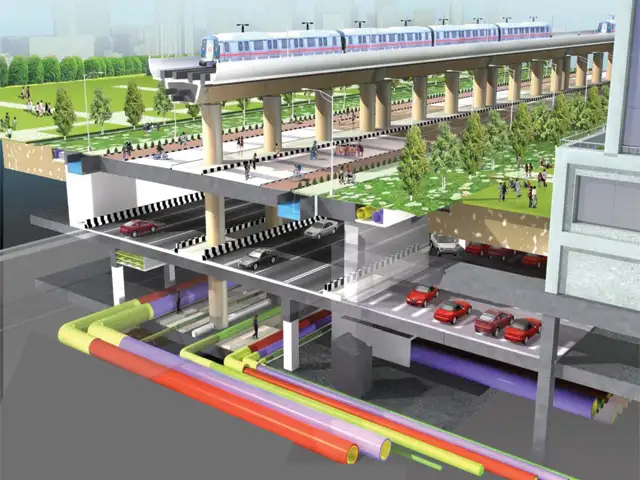
A smart city uses digital technologies or information and communication technologies (ICT) to enhance quality and performance of urban services to make lives of citizens better.
Here we take a look at how these smart cities will benefit citizens:
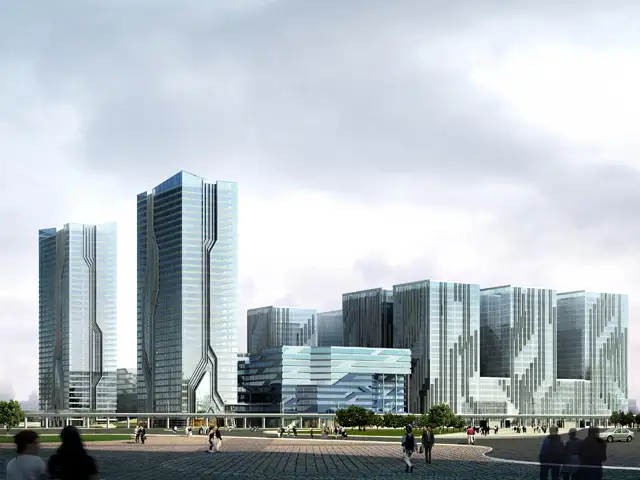
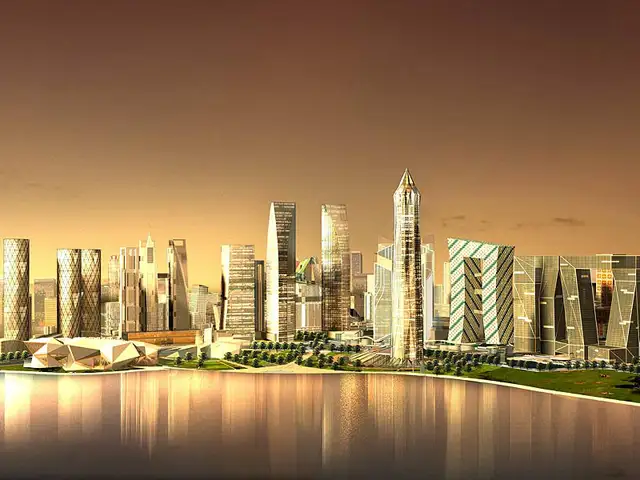
Representative picture of GIFT smart city
A smart city uses digital technologies or information and communication technologies (ICT) to enhance quality and performance of urban services to make lives of citizens better.
Here we take a look at how these smart cities will benefit citizens:
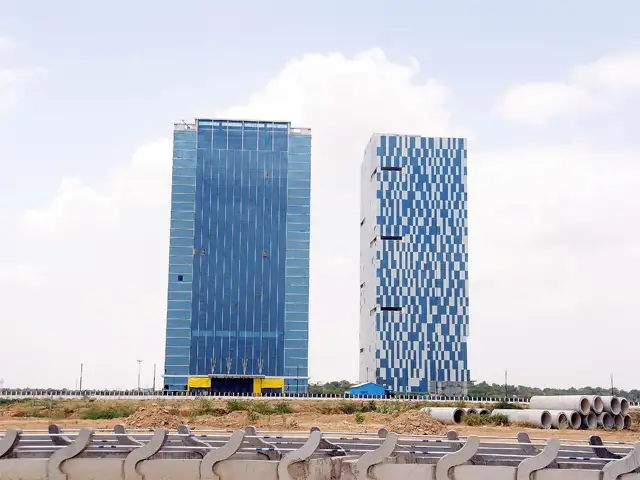
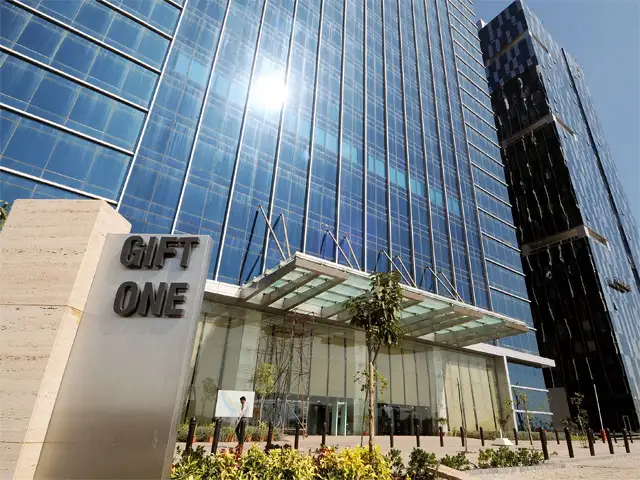
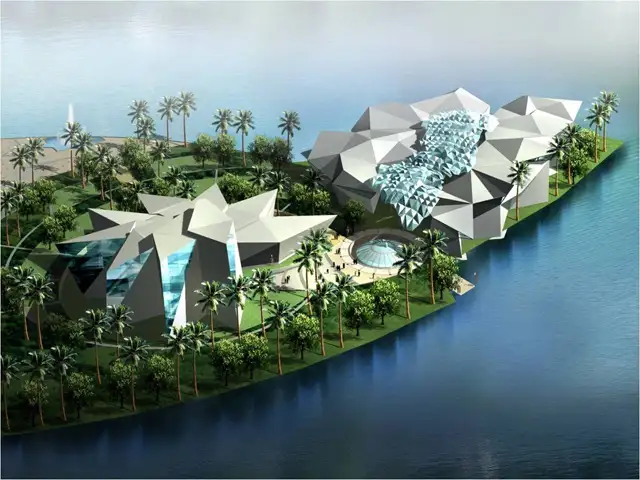
Representative picture of GIFT smart city

ADVERTISEMENT


