
What you should know about India’s ban on the broken rice export
1/5
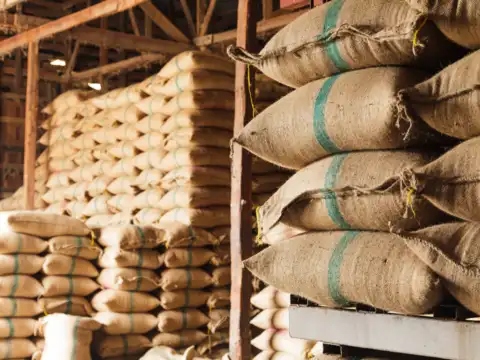
India bans broken rice export
With completely banning the export of broken rice, a byproduct of milling rice, India, the world's largest rice exporter, had imposed a 20% export duty on all rice varieties aside from basmati and parboiled rice.
2/5
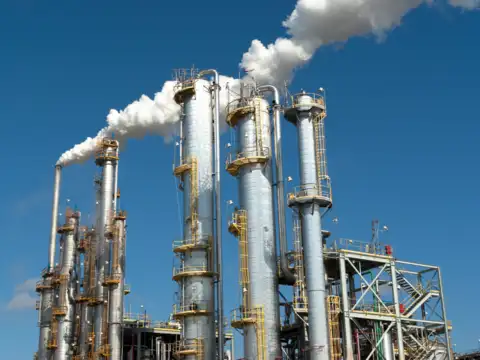
Reason for the ban
As per the food ministry, total broken rice exports grew over three-fold in 2021-22 which was mostly exported to China for animal feed use. However the increased amount of exports led to a shortage of broken rice in India which is used to make ethanol and as a cattle feed.
3/5
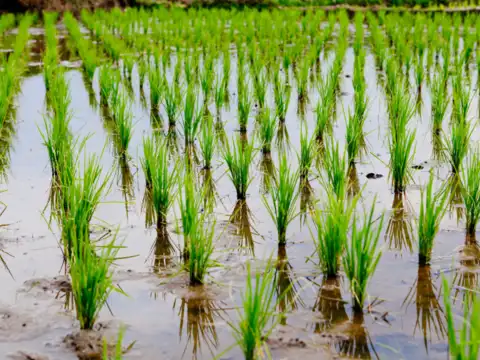
Export of broken rice
According to data from the food ministry, it was difficult for the domestic ethanol and animal feed industries to guarantee the availability of broken rice at reasonable prices. Strong exports caused the price of broken rice to jump from Rs 16 per kg in early January to Rs 22 per kg in early September.
Amazon Top Deals
POWERED BY

Crompton Ozone 75 Litres Desert Air Cooler for home | Large & Easy Clean Ice Chamber | 4-Way Air Deflection | High Density Honeycomb Pads | Everlast Pump | Auto Fill| 3 Year Brand Warranty
₹9,798Buy Now43%
OFF

atomberg Studio Smart+ 1200mm BLDC Ceiling Fan with IoT & Remote | BEE 5 star Rated Energy Efficient Ceiling Fan | High Air Delivery with LED Indicators | 3 Year Warranty (Earth Brown)
₹5,903Buy Now36%
OFF

LG 32 L Convection Microwave Oven (MC3286BRUM, Black, 360° Motorised Rotisserie for Bar-be-queing, 301 Auto Cook Menu, Stainless steel cavity, Indian Cuisine, Tandoor Se, Steam Clean & Diet Fry)
₹19,340Buy Now19%
OFF
4/5
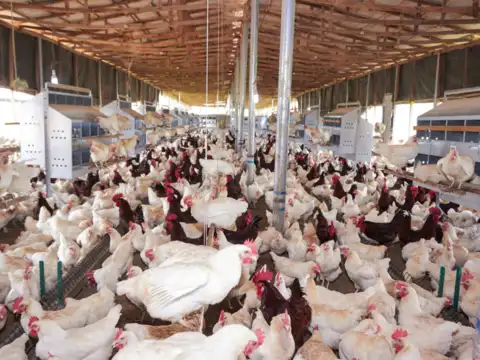
Poultry and animal husbandry sectors
The poultry and animal husbandry sectors were hit hard due to the hike in feed prices.
5/5
Can the government impose any more restrictions?
Future restrictions will be based on output levels and changes in domestic prices.