Budget 2017 not actually bad: Lavesh Bhandari
There are some proposals in the right direction, reduction of holding period for long-term capital gains, is one example.
Updated:

BCCL
By Laveesh Bhandari, Director, Indicus Foundation
If I was tasked to prepare a budget at this time, right after the demonetisation and just before a GST implementation, what would I do? I would, of course, take into consideration that my team is not all that great, and has been bruised quite badly in recent weeks.
The PM has very successfully negotiated a series of tricky spots since November, and is busy campaigning hard in UP, so mistakes may put him in spots he may not want to be in. And finally, the US that used to be the global economy’s biggest stabiliser, is no longer so; and fears of global instability demand less risky actions domestically.
At the same time, significant wins in the upcoming UP elections would enable me and my PM to pass through many more changes easily. And therefore, I would try to keep inflationary forces under control, and do a bit more for the poll-bound states. Moreover, I would also go aggressively into simplifying the tax regime, laws and rules, as that is the only long term solution to black money.
On the conservative and careful element, this Budget scores quite well, and keeping the budget deficit at 3.2% of the GDP rather than 3% envisaged initially, is actually not bad. It gives the government some flexibility to spend a bit more, but not too much. It also enables greater allocations on defence and infrastructure that are critical.
On UP, the freebies are not so attractive or explicit as were expected, and again it is nice to have a Budget that is not grossly targeted at a state. As an aside, the reliance on Nabard for most farmer related proposals rather than departmental machinery is quite intriguing — the PM, it appears, wants to directly implement various agriculture proposals rather than go through state governments. Finally on simplification of taxation rules and laws, the Budget proposals are not so clear and, apart from a few, quite harmful.
In reality however, for lowvalue transactions digital is currently much more expensive than cash. Forcing digital on India will harm us all, make for a higher cost economy, and harm the government politically. Many in the informal sector have reverted to cash, the 3-5% transaction fees of digital payments was too much for them.
Digital payments through banking channels are admittedly cheaper for the merchant, but then the bank bears those costs. Let digital grow, but due to its efficiency and not because of government diktat or artificial incentives. Proposals such as reduction in deductible cash transactions to 10,000 therefore cannot be welcomed.
No doubt there are some proposals in the right direction, reduction of holding period for long-term capital gains, is one example. But there are few such ones. Mostly the direct tax code would become longer and more complex after this Budget. This means black money will recommence its journey in India, except this time it will not be in desi cash, but in valuables and even US dollars. But thankfully, our macro conditions should be fine.
If I was tasked to prepare a budget at this time, right after the demonetisation and just before a GST implementation, what would I do? I would, of course, take into consideration that my team is not all that great, and has been bruised quite badly in recent weeks.
The PM has very successfully negotiated a series of tricky spots since November, and is busy campaigning hard in UP, so mistakes may put him in spots he may not want to be in. And finally, the US that used to be the global economy’s biggest stabiliser, is no longer so; and fears of global instability demand less risky actions domestically.
At the same time, significant wins in the upcoming UP elections would enable me and my PM to pass through many more changes easily. And therefore, I would try to keep inflationary forces under control, and do a bit more for the poll-bound states. Moreover, I would also go aggressively into simplifying the tax regime, laws and rules, as that is the only long term solution to black money.
On the conservative and careful element, this Budget scores quite well, and keeping the budget deficit at 3.2% of the GDP rather than 3% envisaged initially, is actually not bad. It gives the government some flexibility to spend a bit more, but not too much. It also enables greater allocations on defence and infrastructure that are critical.
On UP, the freebies are not so attractive or explicit as were expected, and again it is nice to have a Budget that is not grossly targeted at a state. As an aside, the reliance on Nabard for most farmer related proposals rather than departmental machinery is quite intriguing — the PM, it appears, wants to directly implement various agriculture proposals rather than go through state governments. Finally on simplification of taxation rules and laws, the Budget proposals are not so clear and, apart from a few, quite harmful.
ADVERTISEMENT
They take us back a year or two at least. But given that black money is an outcome of poor laws and their implementation, this component achieves special importance. A strange notion is doing the rounds in this government that cash is universally bad. Senior bureaucrats have also been heard claiming that digital transactions are cheaper than cash transactions, and how black money can be better monitored by having them. In reality however, for lowvalue transactions digital is currently much more expensive than cash. Forcing digital on India will harm us all, make for a higher cost economy, and harm the government politically. Many in the informal sector have reverted to cash, the 3-5% transaction fees of digital payments was too much for them.
Digital payments through banking channels are admittedly cheaper for the merchant, but then the bank bears those costs. Let digital grow, but due to its efficiency and not because of government diktat or artificial incentives. Proposals such as reduction in deductible cash transactions to 10,000 therefore cannot be welcomed.
No doubt there are some proposals in the right direction, reduction of holding period for long-term capital gains, is one example. But there are few such ones. Mostly the direct tax code would become longer and more complex after this Budget. This means black money will recommence its journey in India, except this time it will not be in desi cash, but in valuables and even US dollars. But thankfully, our macro conditions should be fine.
ADVERTISEMENT
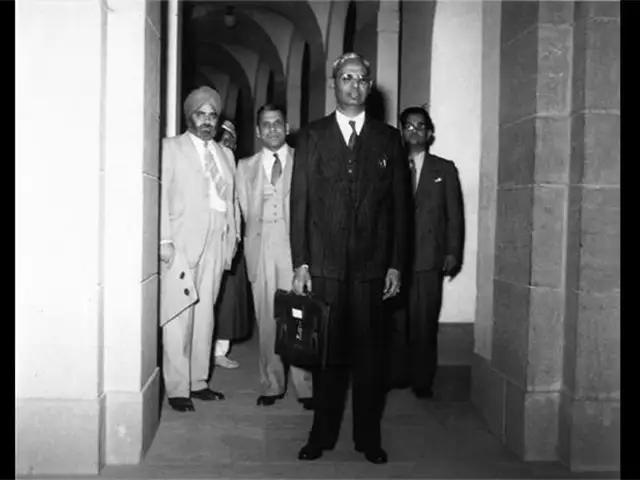
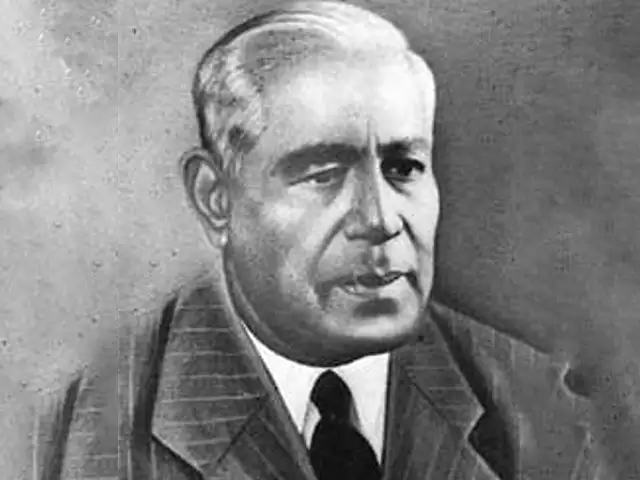
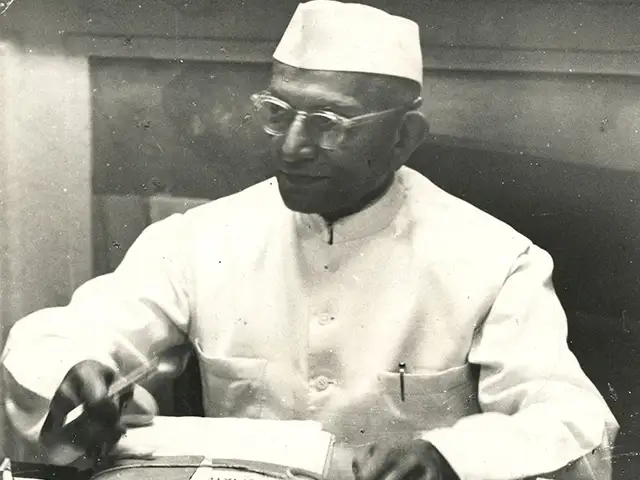
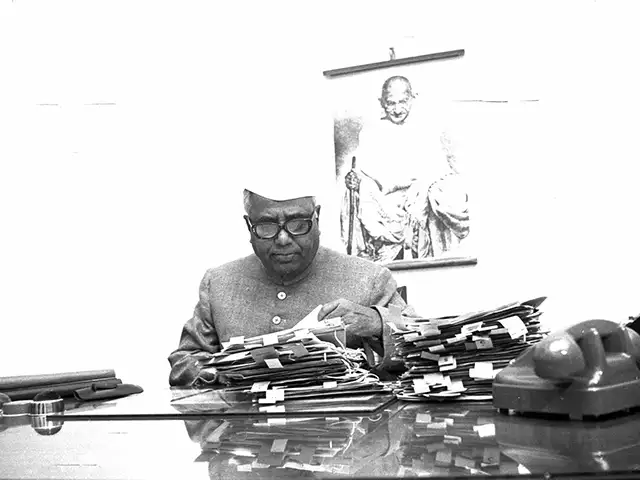
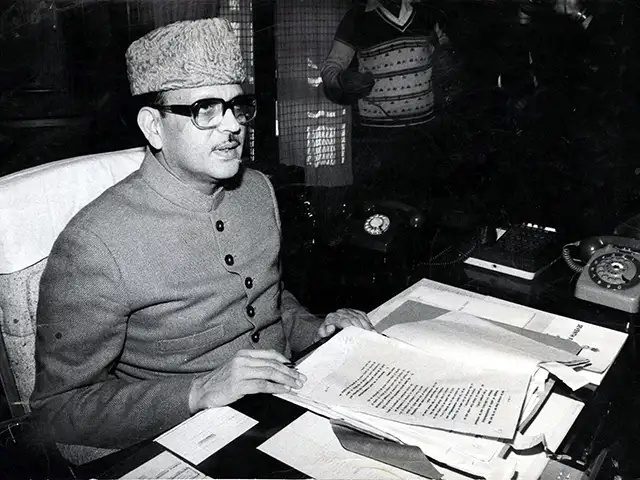
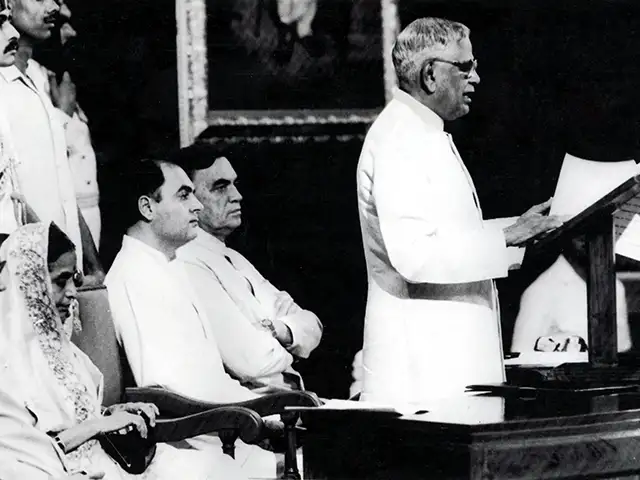
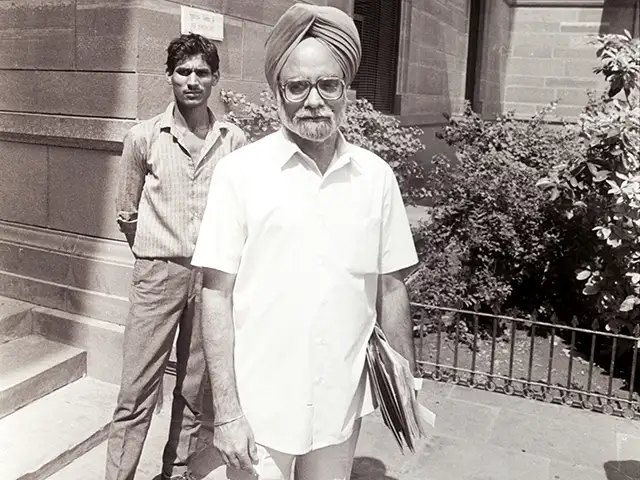
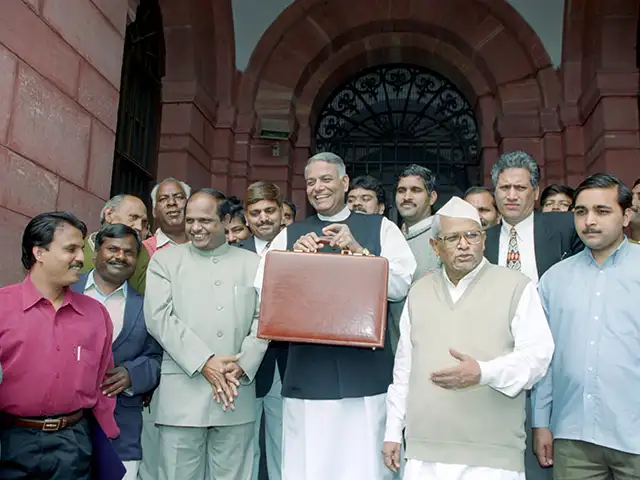
The first budget of Independent India was presented by the first finance minister R K Shanmukham Chetty. This was from the seven-and-a-half period from August 15, 1947 to March 31, 1948. The budget estimate for total revenues was a mere Rs 171.15 crore. A fiscal deficit was a paltry Rs 204.59 cr.

Download
The Economic Times Business News App for the Latest News in Business, Sensex, Stock Market Updates & More.
The Economic Times Business News App for the Latest News in Business, Sensex, Stock Market Updates & More.
Download
The Economic Times News App for Quarterly Results, Latest News in ITR, Business, Share Market, Live Sensex News & More.
The Economic Times News App for Quarterly Results, Latest News in ITR, Business, Share Market, Live Sensex News & More.
ADVERTISEMENT


