High agricultural credit, crop insurance scheme positive measures in Budget: Experts
Several measures initiated by the government to revive the agricultural economy such as higher agricultural credit, higher allocation for irrigation projects, crop insurance scheme and, MGNREGA scheme.
By PTI | Updated:

MUMBAI: The Central government has taken up several measures to revive country's agriculture economy in the Union Budget 2017-18 such as higher agricultural credit, higher allocation for irrigation projects, crop insurance scheme, agricultural experts said.
"Several measures initiated by the government to revive the agricultural economy such as higher agricultural credit, higher allocation for irrigation projects, crop insurance scheme and, MGNREGA scheme, besides expansion in coverage of eNAM, will help fertilisers companies in the medium term through higher demand," rating agency ICRA's Group Head, Corporate Sector ratings K Ravichandran said.
Commenting on budget proposals announced for fertilizer sector, Ravichandran said the subsidy provided for fertilizer sector is Rs 70,000 crore for 2017-18, similar to the level in 2016-17.
However, ICRA believes there could be a shortfall of around Rs 32,000 crore, which is largely the carried forward amount from 2016-17.
"The industry players have repeatedly been complaining on the under provision of subsidy and significant delays in the payment of subsidy especially in the second half of fiscal years. In view of the under budgeting of subsidy, liquidity profile of the industry will continue to be weak with spikes in short term borrowings in the second half of the year, and higher interest costs on the same," he said.
As a silver lining, subsidy for the P&K (phosphatic and potassic) segment has been marginally hiked by 6 per cent, which is a positive for the P&K manufacturers and traders who have been facing steady decline in per unit subsidy on major nutrients such as N, P and K in the recent past, he said.
Rajiv Tevtiya, Managing Partner & CEO, RML AgTech said the Finance Minister has presented a great budget for agriculture with emphasis on all critical areas for an overall and coherent growth of the farmers.
With the allocation of Rs 10,000 crore to BharatNet Project and the set target of reaching nearly 1.5 lakh gram panchayats with high-speed Internet will lay the foundation of digital revolution in agriculture.
"The farmers will be encouraged to use innovative agriculture-services, which in turn will improve farm productivity and income. Access to internet will allow the farmers learn about the latest technologies available in the field of agriculture. This will encourage corporate houses and start-ups to bring innovative ideas to the rural India," Tevtiya said.
The expansion of National Agri Markets (e-Nam) from 250 to 585 APMCs is yet another welcome step. This will certainly give more options to the farmers to sell their produce, he added.
"Several measures initiated by the government to revive the agricultural economy such as higher agricultural credit, higher allocation for irrigation projects, crop insurance scheme and, MGNREGA scheme, besides expansion in coverage of eNAM, will help fertilisers companies in the medium term through higher demand," rating agency ICRA's Group Head, Corporate Sector ratings K Ravichandran said.
Commenting on budget proposals announced for fertilizer sector, Ravichandran said the subsidy provided for fertilizer sector is Rs 70,000 crore for 2017-18, similar to the level in 2016-17.
However, ICRA believes there could be a shortfall of around Rs 32,000 crore, which is largely the carried forward amount from 2016-17.
"The industry players have repeatedly been complaining on the under provision of subsidy and significant delays in the payment of subsidy especially in the second half of fiscal years. In view of the under budgeting of subsidy, liquidity profile of the industry will continue to be weak with spikes in short term borrowings in the second half of the year, and higher interest costs on the same," he said.
As a silver lining, subsidy for the P&K (phosphatic and potassic) segment has been marginally hiked by 6 per cent, which is a positive for the P&K manufacturers and traders who have been facing steady decline in per unit subsidy on major nutrients such as N, P and K in the recent past, he said.
ADVERTISEMENT
Rajiv Tevtiya, Managing Partner & CEO, RML AgTech said the Finance Minister has presented a great budget for agriculture with emphasis on all critical areas for an overall and coherent growth of the farmers.
With the allocation of Rs 10,000 crore to BharatNet Project and the set target of reaching nearly 1.5 lakh gram panchayats with high-speed Internet will lay the foundation of digital revolution in agriculture.
"The farmers will be encouraged to use innovative agriculture-services, which in turn will improve farm productivity and income. Access to internet will allow the farmers learn about the latest technologies available in the field of agriculture. This will encourage corporate houses and start-ups to bring innovative ideas to the rural India," Tevtiya said.
The expansion of National Agri Markets (e-Nam) from 250 to 585 APMCs is yet another welcome step. This will certainly give more options to the farmers to sell their produce, he added.
Download
The Economic Times Business News App for the Latest News in Business, Sensex, Stock Market Updates & More.
The Economic Times Business News App for the Latest News in Business, Sensex, Stock Market Updates & More.
Download
The Economic Times News App for Quarterly Results, Latest News in ITR, Business, Share Market, Live Sensex News & More.
The Economic Times News App for Quarterly Results, Latest News in ITR, Business, Share Market, Live Sensex News & More.
Related Articles
 Modi releases PM-Kisan instalment for 9.44 crore farmers, launches world's largest crop insurance scheme in Bengal2026-06-20T11:46:15Z
- Finance ministry to take a relook at crop insurance plan2025-12-28T18:49:51Z
- Steve McBee Sr. self surrenders in crop insurance fraud case: How did the American TV star spend his Thanksgiving before turning himself in and what he is ‘guilty’ about; all you need to know2025-12-02T04:35:22Z
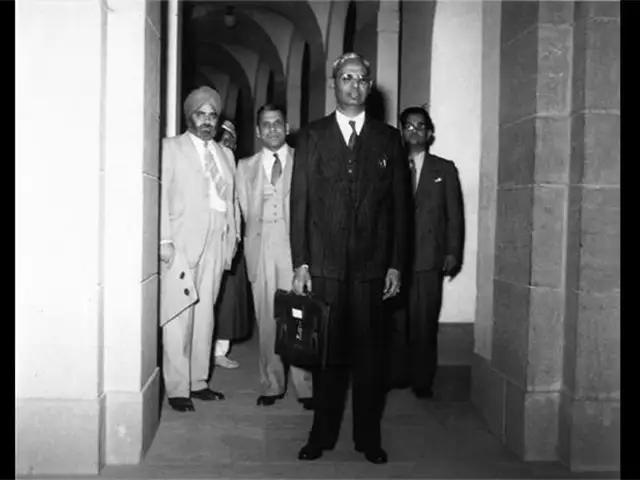
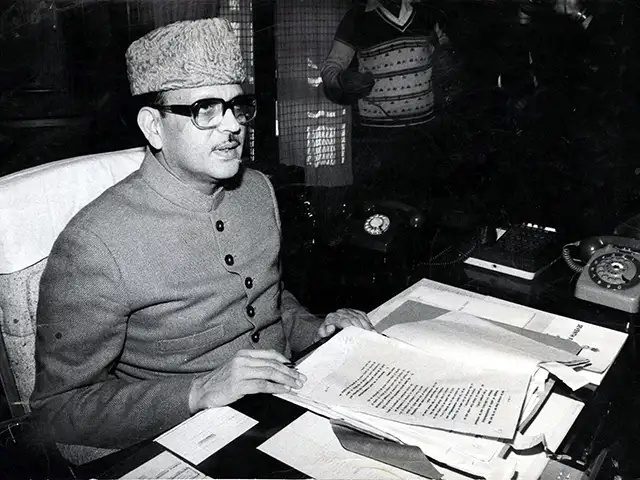
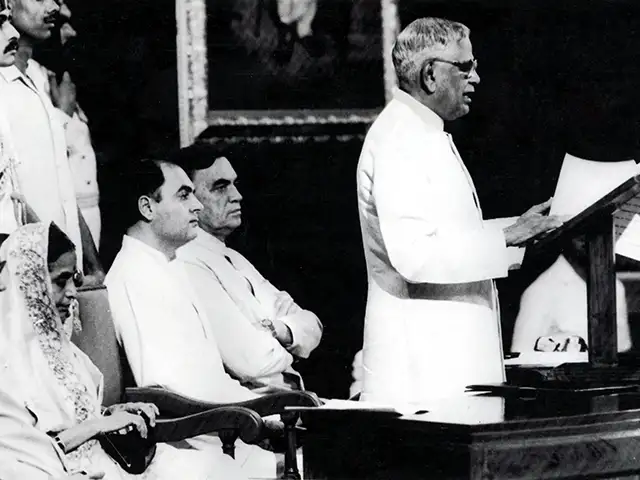
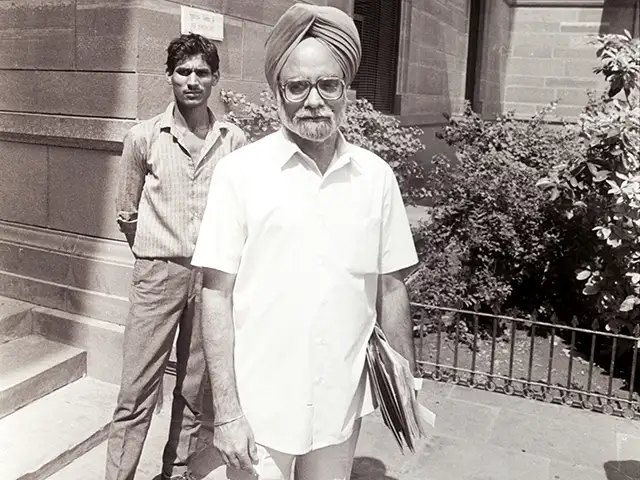
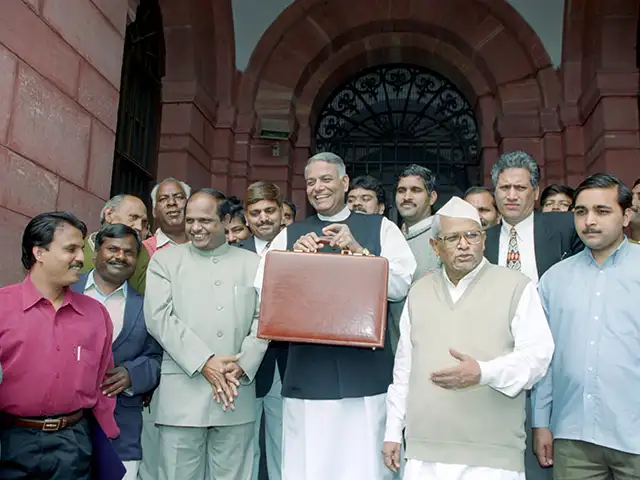
The first budget of Independent India was presented by the first finance minister R K Shanmukham Chetty. This was from the seven-and-a-half period from August 15, 1947 to March 31, 1948. The budget estimate for total revenues was a mere Rs 171.15 crore. A fiscal deficit was a paltry Rs 204.59 cr.

ADVERTISEMENT


