With Left Wing Extremism on the wane, Odisha mullls new anti-Maoist strategy
With LEW receding considerably in Odisha barring three districts, the state government today decided to prepare a separate strategy.
By PTI | Updated:

BHUBANESWAR: With Left Wing Extremism (LEW) receding considerably in Odisha barring three districts, the state government today decided to prepare a separate strategy to deal with the changed situation.
This was decided at the Unified Command meeting presided over by Chief Secretary G C Pati here which was also attended by the Development Commissioner, Secretaries of the Home and Finance department, Odisha Director General of Police (DGP) besides Inspector Generals (IG) of BSF and CRPF.
The meeting resolved to undertake socio-development works in the worst-hit regions including the cut-off area in Malkangiri district while intensifying anti-Maoist operations at the same time, a senior government official said.
He added adequate stress is being given on intelligence gathering network and proper coordination between local police and central para-military force.
"As people in large number have come out in support of the government in Malkangiri district, we will try to win their confidence. These people were so far strong supporters of Maoists," the official said.
Endorsing the view, DGP Sanjeev Marik also said though Maoist situation remained grim in the districts of Malkangiri, Koraput and Nuapada, their activities have been reduced to a great extent in other parts of the state.
Marik said people will be rehabilitated as per the state government's policy.
However, what has posed a new challenge for security personnel here is the Maoists' bid to create a new corridor passing through Boudh, Kandhamal and Nayagarh district. Since the Maoists feel the heat in neighbouring Chhattisgarh, they try to create a separate corridor, Marik said.
While the Maoists from Chhattisgarh are trying to infiltrate into Odisha through the jungle routes in Nuapada, Kalahandi, Boudh and Nayagarh districts, the ultras from Andhra Pradesh side wanted to revive their network in southern parts of the state, he said.
The situation turned conducive following the collapse of Odisha Maobadi Party (OMP) after arrest of its chief Sabyasachi Panda last year, according to the top police official.
This was decided at the Unified Command meeting presided over by Chief Secretary G C Pati here which was also attended by the Development Commissioner, Secretaries of the Home and Finance department, Odisha Director General of Police (DGP) besides Inspector Generals (IG) of BSF and CRPF.
The meeting resolved to undertake socio-development works in the worst-hit regions including the cut-off area in Malkangiri district while intensifying anti-Maoist operations at the same time, a senior government official said.
He added adequate stress is being given on intelligence gathering network and proper coordination between local police and central para-military force.
"As people in large number have come out in support of the government in Malkangiri district, we will try to win their confidence. These people were so far strong supporters of Maoists," the official said.
Endorsing the view, DGP Sanjeev Marik also said though Maoist situation remained grim in the districts of Malkangiri, Koraput and Nuapada, their activities have been reduced to a great extent in other parts of the state.
ADVERTISEMENT
Marik said people will be rehabilitated as per the state government's policy.
However, what has posed a new challenge for security personnel here is the Maoists' bid to create a new corridor passing through Boudh, Kandhamal and Nayagarh district. Since the Maoists feel the heat in neighbouring Chhattisgarh, they try to create a separate corridor, Marik said.
While the Maoists from Chhattisgarh are trying to infiltrate into Odisha through the jungle routes in Nuapada, Kalahandi, Boudh and Nayagarh districts, the ultras from Andhra Pradesh side wanted to revive their network in southern parts of the state, he said.
The situation turned conducive following the collapse of Odisha Maobadi Party (OMP) after arrest of its chief Sabyasachi Panda last year, according to the top police official.
Download
The Economic Times Business News App for the Latest News in Business, Sensex, Stock Market Updates & More.
The Economic Times Business News App for the Latest News in Business, Sensex, Stock Market Updates & More.
Download
The Economic Times News App for Quarterly Results, Latest News in ITR, Business, Share Market, Live Sensex News & More.
The Economic Times News App for Quarterly Results, Latest News in ITR, Business, Share Market, Live Sensex News & More.
Related Articles
 ED to file money laundering case over ₹95 crore foreign funds routed to Maoist areas
Economictimes.com & Agencies
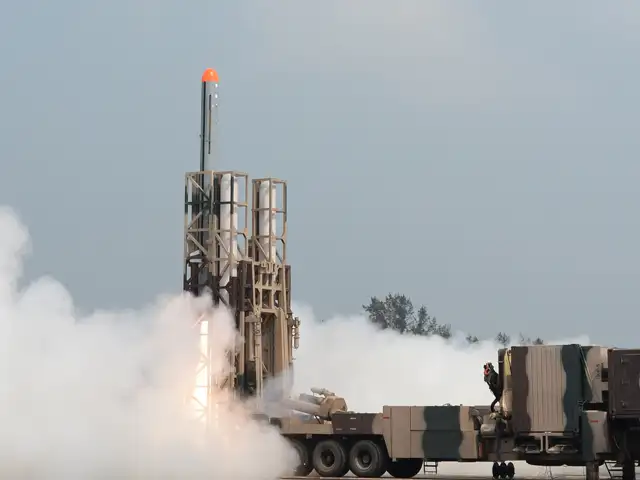
The need to have robust defence capabilities in today's day and age cannot be overstated. India has been aggressively pushing to enhance its ability to deter attacks and up its defence prowess.
2014 saw multiple steps being taken in that direction and India saw many new additions to its defence fleet. We take a look at eight achievements that deserve a special mention:
The need to have robust defence capabilities in today's day and age cannot be overstated. India has been aggressively pushing to enhance its ability to deter attacks and up its defence prowess.
2014 saw multiple steps being taken in that direction and India saw many new additions to its defence fleet. We take a look at eight achievements that deserve a special mention:








ADVERTISEMENT


