To fight China's Andaman and Nicobar forays, India deploys submarine hunters
India has inducted eight P-8I aircraft, acquired under a $2.1 bn deal inked in Jan 2009 with US aviation major Boeing, at its INS Rajali naval air station.
By Rajat Pandit, TNN | Updated:

NEW DELHI: With Chinese nuclear and conventional submarines regularly popping up in the Indian Ocean Region (IOR), India has now begun to deploy its latest long-range maritime patrol aircraft as well as spy drones at its forward military base in the Andaman and Nicobar Islands.
Defence ministry sources on Monday said two of the country's most potent submarine hunters/killers, the naval Poseidon-8I aircraft, are just about to complete their first-ever two-week deployment to the strategically-located Andaman and Nicobar archipelago. "Navy and IAF are also deploying their (Israeli) Searcher-II unmanned aerial vehicles to the islands on a temporary basis," said a source.
Follow @ETDefence Twitter handle for comprehensive coverage on other buzzing Defence stories
India has inducted eight P-8I aircraft, acquired under a $2.1 billion deal inked in January 2009 with US aviation major Boeing, at its INS Rajali naval air station in Arakkonam ( Tamil Nadu). With an operating range of over 1,200 nautical miles and a maximum speed of 907kmph, the radar-packed P-8Is are especially geared to gather intelligence and detect threats in the IOR as "intelligent hawk-eyes".
But while this is a much-needed operational requirement, India's first and only theatre command in the shape of Andaman & Nicobar Command (ANC) continues to suffer from relative neglect despite the Modi government making it a top priority. Much more needs to be done at a faster pace to ensure ANC, with requisite military force-levels and infrastructure, can effectively act as a pivot to counter China's strategic moves in IOR as well as ensure security of sea lanes converging towards the Malacca Strait.
Sources said "not much progress" has been made in the overall plan to have enough infrastructure and maintenance support with more airstrips and jetties in the 572-island cluster, extending over 720km, to eventually deploy a division-level force (around 15,000 troops), a fighter squadron and some major warships there. As of now, amid turf wars among Army, Navy and IAF as well as fund crunches and environmental concerns, ANC has just over an infantry brigade (3,000 soldiers), 20 small warships and patrol vessels, and a few Mi-8 helicopters and Dornier-228 patrol aircraft.
While the existing runways at Campbell Bay in the south, where naval air station INS Baaz is located, and Shibpur in North Andaman are yet to be extended, the airfields at Port Blair and Car Nicobar also need some serious upgrade work. "Similarly, only one of the four proposed operational turn-around bases for warships is so far in place," said a source.
Defence ministry sources on Monday said two of the country's most potent submarine hunters/killers, the naval Poseidon-8I aircraft, are just about to complete their first-ever two-week deployment to the strategically-located Andaman and Nicobar archipelago. "Navy and IAF are also deploying their (Israeli) Searcher-II unmanned aerial vehicles to the islands on a temporary basis," said a source.
Follow @ETDefence Twitter handle for comprehensive coverage on other buzzing Defence stories
India has inducted eight P-8I aircraft, acquired under a $2.1 billion deal inked in January 2009 with US aviation major Boeing, at its INS Rajali naval air station in Arakkonam ( Tamil Nadu). With an operating range of over 1,200 nautical miles and a maximum speed of 907kmph, the radar-packed P-8Is are especially geared to gather intelligence and detect threats in the IOR as "intelligent hawk-eyes".
ADVERTISEMENT
Armed as they are with deadly Harpoon Block-II missiles, MK-54 lightweight torpedoes, rockets and depth charges, the P-8Is can neutralize enemy submarines and warships if required. "The case for acquisition of another four P-8Is is in the final stages. P-8Is can operate from Port Blair (naval air station INS Utkrosh) to keep tabs on the entire region," said the source.But while this is a much-needed operational requirement, India's first and only theatre command in the shape of Andaman & Nicobar Command (ANC) continues to suffer from relative neglect despite the Modi government making it a top priority. Much more needs to be done at a faster pace to ensure ANC, with requisite military force-levels and infrastructure, can effectively act as a pivot to counter China's strategic moves in IOR as well as ensure security of sea lanes converging towards the Malacca Strait.
Sources said "not much progress" has been made in the overall plan to have enough infrastructure and maintenance support with more airstrips and jetties in the 572-island cluster, extending over 720km, to eventually deploy a division-level force (around 15,000 troops), a fighter squadron and some major warships there. As of now, amid turf wars among Army, Navy and IAF as well as fund crunches and environmental concerns, ANC has just over an infantry brigade (3,000 soldiers), 20 small warships and patrol vessels, and a few Mi-8 helicopters and Dornier-228 patrol aircraft.
While the existing runways at Campbell Bay in the south, where naval air station INS Baaz is located, and Shibpur in North Andaman are yet to be extended, the airfields at Port Blair and Car Nicobar also need some serious upgrade work. "Similarly, only one of the four proposed operational turn-around bases for warships is so far in place," said a source.
Download
The Economic Times Business News App for the Latest News in Business, Sensex, Stock Market Updates & More.
The Economic Times Business News App for the Latest News in Business, Sensex, Stock Market Updates & More.
Download
The Economic Times News App for Quarterly Results, Latest News in ITR, Business, Share Market, Live Sensex News & More.
The Economic Times News App for Quarterly Results, Latest News in ITR, Business, Share Market, Live Sensex News & More.
Economictimes.com
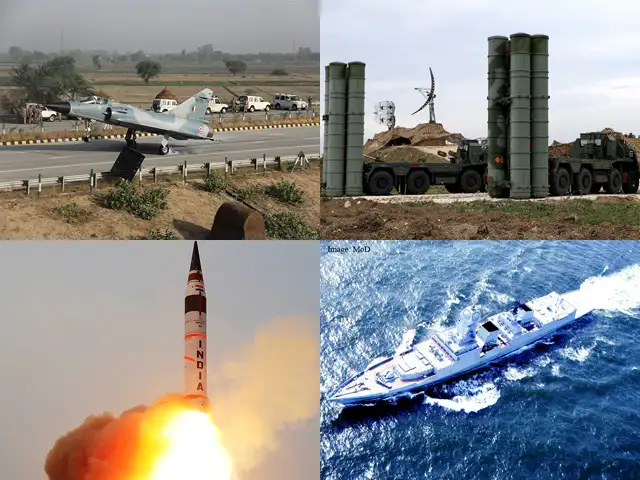
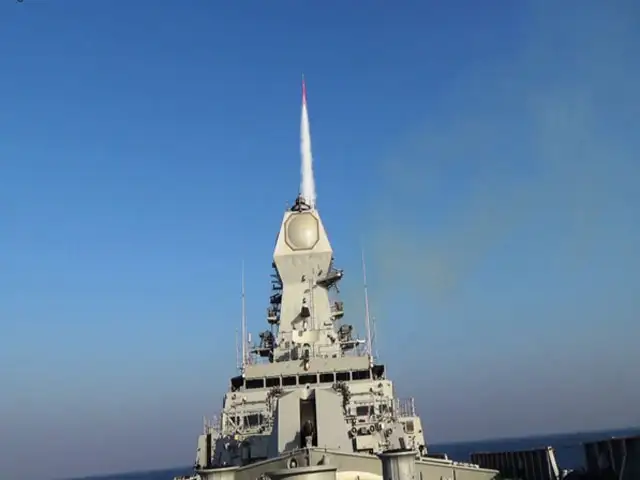
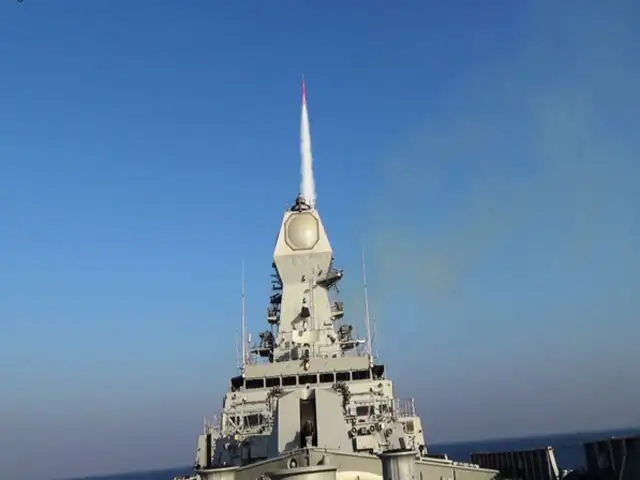
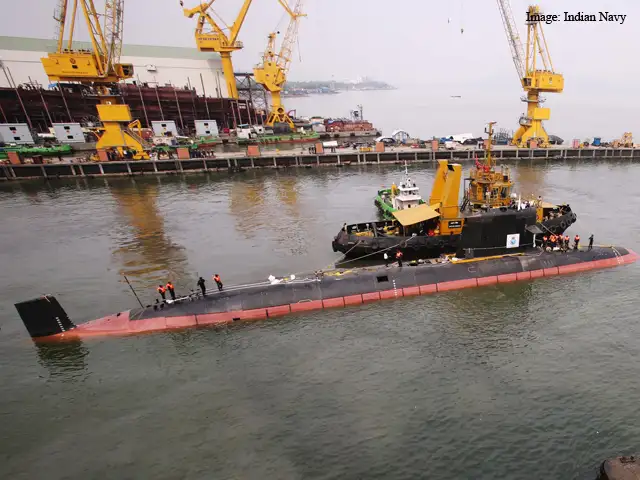
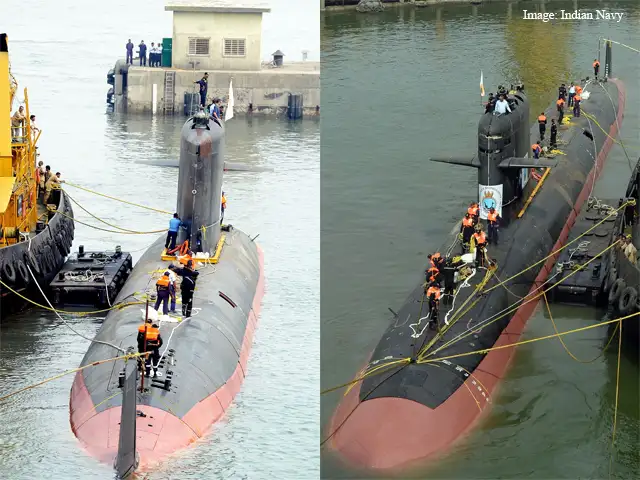
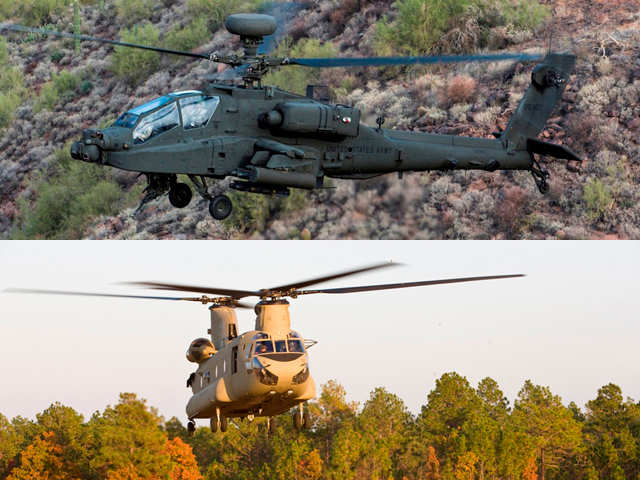
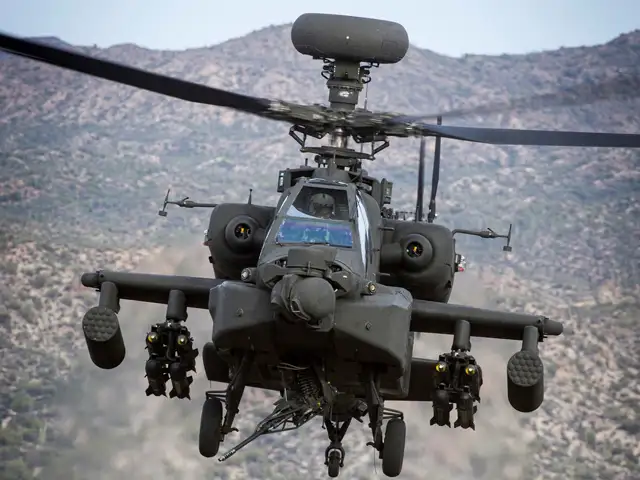
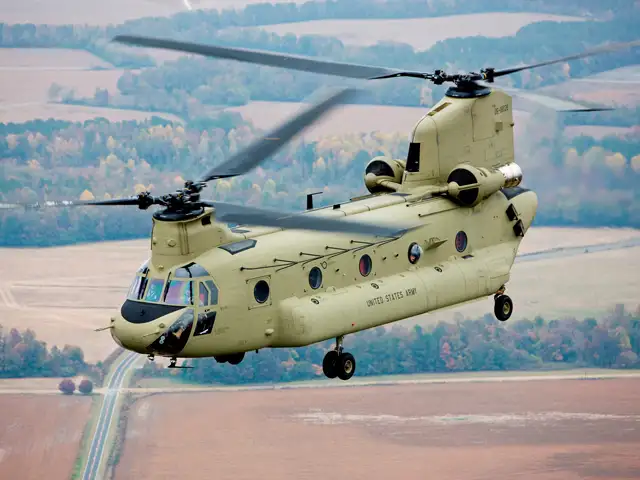
With a lot of emphasis being laid on indigenisation and 'Make in India', India's defence preparedness got a series of boosts during 2015. Indian Navy saw many achievements in this regard, with many lethal weapons achieving various stages of success. Adding to this, the government is determined to up India's power to deter attacks and several deals were signed and many others are in the pipeline.
From the launching and undocking of many warships to a chopper fleet and Rafale boost for IAF, we look at fifteen developments in India's defence space that had everyone excited:
With a lot of emphasis being laid on indigenisation and 'Make in India', India's defence preparedness got a series of boosts during 2015. Indian Navy saw many achievements in this regard, with many lethal weapons achieving various stages of success. Adding to this, the government is determined to up India's power to deter attacks and several deals were signed and many others are in the pipeline.
From the launching and undocking of many warships to a chopper fleet and Rafale boost for IAF, we look at fifteen developments in India's defence space that had everyone excited:

ADVERTISEMENT


