The role of the NCC in 1965 Indo-Pak war
Their role varied – Air Defence rescue work, first aid, evacuation of casualties, fire-fighting and removal of debris to traffic control.
Updated:

While the role of the armed forces in the 1965 war with Pakistan is well documented, the National Cadet Corps put in its bit too. In an Extraordinary Gazette published on 9 Sep 1965, the government roped in the National Cadet Corps Officers (Senior, Junior and Girls Division) and Cadets (including girls) of the Senior Division of the age of 17 years and above.
Their role varied – from passive Air Defence including rescue work, first aid, evacuation of casualties, fire-fighting and removal of debris to traffic control and maintenance of essential services such as motor transport, pioneer and engineer services, water supply and power supply.
Cadets were tasked with manning of Civil Defence posts including civil defence patrols and look outs and pressed into messenger service and hospital duty.
NCC cadets also helped in building bunds along the western borders where the war was fought. Important installation like Akashwani, Telephone exchanges and Post offices were also guarded with the help of NCC cadets.
Here is his citation – “Following an air attack by four Pakistani planes on a goods train carrying inflammable material like ammunition, diesel and kerosene oil. A wagon caught fire and thick columns of smoke spread fast causing terror and confusion. Fifty cadets rushed to the railway station and brought the fire under control. They detached the wagons loaded with ammunition, thus preventing a major explosion and a fearful disaster.
The cadets happily risked their lives and suffered burns in achieving this remarkable feat. In this action cadets were inspired and led by Cadet Sergeant Pratap Singh who manifested high qualities of leadership, courage and initiative. For his gallantry and selfless devotion to duty which saved the city of Gurdaspur from a terrible catastrophe, Sergeant Pratap Singh of the 10th Punjab Battalion NCC Gurdaspur was awarded the Ashok Chakra Class III by Hon’ble President of India Dr Radha Krishna in 1966.”
(Courtesy: NCC)
Their role varied – from passive Air Defence including rescue work, first aid, evacuation of casualties, fire-fighting and removal of debris to traffic control and maintenance of essential services such as motor transport, pioneer and engineer services, water supply and power supply.
Cadets were tasked with manning of Civil Defence posts including civil defence patrols and look outs and pressed into messenger service and hospital duty.
NCC cadets also helped in building bunds along the western borders where the war was fought. Important installation like Akashwani, Telephone exchanges and Post offices were also guarded with the help of NCC cadets.
ADVERTISEMENT
In fact, NCC Sergeant Pratap Singh was awarded the Ashok Chakra Class III during the war. The medal has since been renamed and is equivalent to the Shaurya Chakra now. Singh took part in fire fighting operations on 13 September 1965 at the Gurdaspur railway station.Here is his citation – “Following an air attack by four Pakistani planes on a goods train carrying inflammable material like ammunition, diesel and kerosene oil. A wagon caught fire and thick columns of smoke spread fast causing terror and confusion. Fifty cadets rushed to the railway station and brought the fire under control. They detached the wagons loaded with ammunition, thus preventing a major explosion and a fearful disaster.
The cadets happily risked their lives and suffered burns in achieving this remarkable feat. In this action cadets were inspired and led by Cadet Sergeant Pratap Singh who manifested high qualities of leadership, courage and initiative. For his gallantry and selfless devotion to duty which saved the city of Gurdaspur from a terrible catastrophe, Sergeant Pratap Singh of the 10th Punjab Battalion NCC Gurdaspur was awarded the Ashok Chakra Class III by Hon’ble President of India Dr Radha Krishna in 1966.”
ADVERTISEMENT
(Courtesy: NCC)
Download
The Economic Times Business News App for the Latest News in Business, Sensex, Stock Market Updates & More.
The Economic Times Business News App for the Latest News in Business, Sensex, Stock Market Updates & More.
Download
The Economic Times News App for Quarterly Results, Latest News in ITR, Business, Share Market, Live Sensex News & More.
The Economic Times News App for Quarterly Results, Latest News in ITR, Business, Share Market, Live Sensex News & More.
Economictimes.com & Agencies
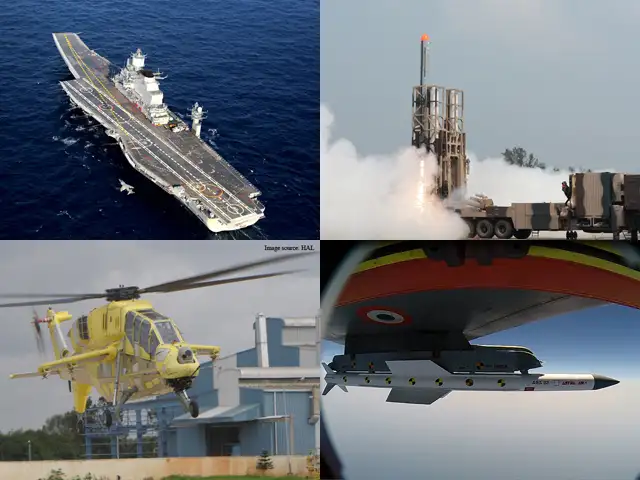
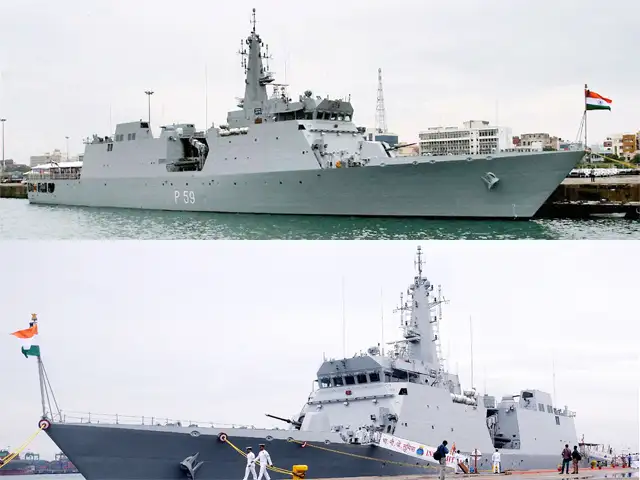
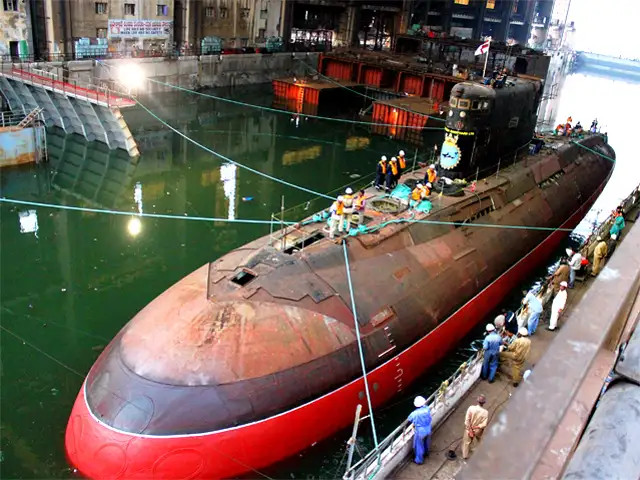
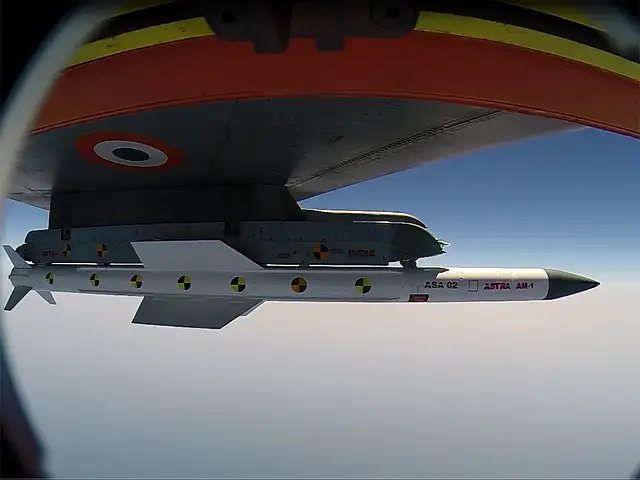
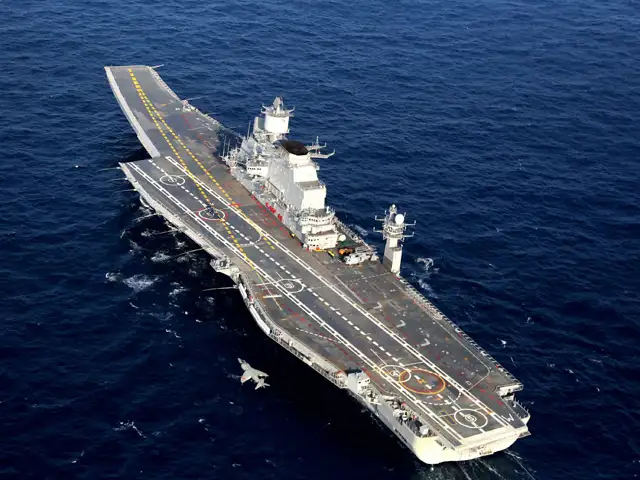
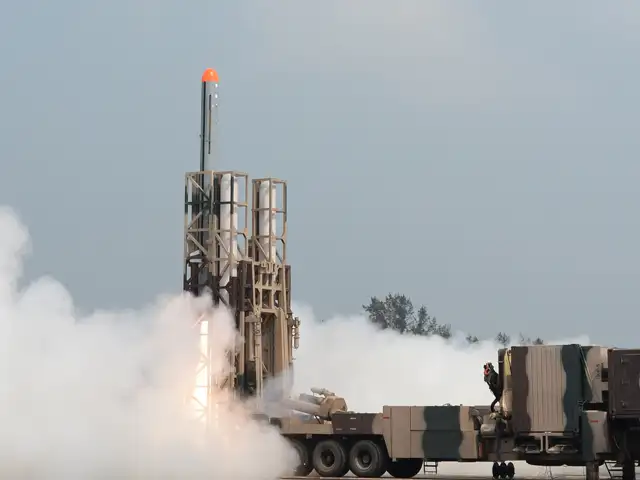
The need to have robust defence capabilities in today's day and age cannot be overstated. India has been aggressively pushing to enhance its ability to deter attacks and up its defence prowess.
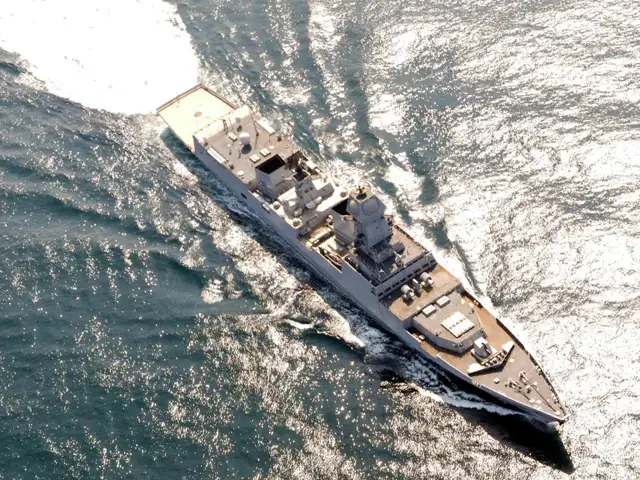
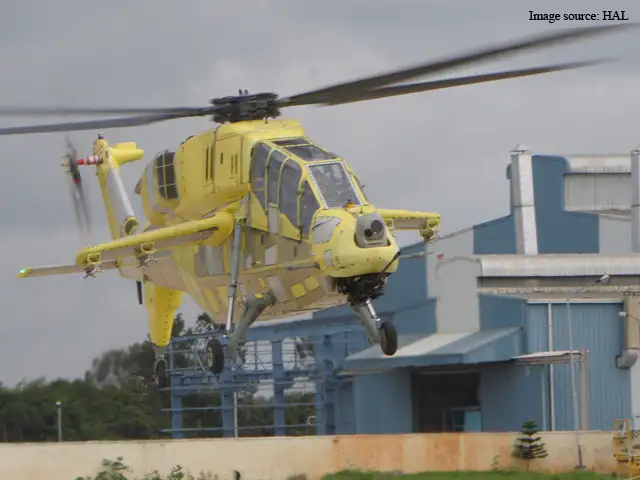
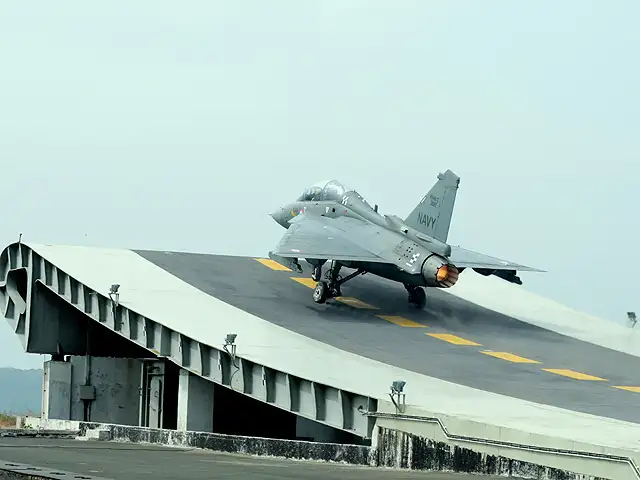
2014 saw multiple steps being taken in that direction and India saw many new additions to its defence fleet. We take a look at eight achievements that deserve a special mention:
The need to have robust defence capabilities in today's day and age cannot be overstated. India has been aggressively pushing to enhance its ability to deter attacks and up its defence prowess.
2014 saw multiple steps being taken in that direction and India saw many new additions to its defence fleet. We take a look at eight achievements that deserve a special mention:

ADVERTISEMENT


