The hunt for CG 791 Dornier : Mapping out India’s largest and longest maritime search
Over a dozen warships, a submarine, three highly specialised vessels and a determined coast guard are scouring the seas to track down a missing aircraft.
By Manu Pubby, ET Bureau | Updated:

Finding a needle in a haystack would be easy money and a task the Indian coast guard would have preferred any day over the hunt for CG 791. For an organisation that’s primed for search-and-rescue missions and prides itself on saving a life every other day, its largest and longest ever sea hunt is also its most painful.
For more than two weeks now, the coast guard has been searching for one of its own – a twin-engine Dornier maritime reconnaissance aircraft -- just over a year old, in good service condition and with one of the most experienced pilots at the helm -- that went missing in perfect weather barely half an hour before it was to land in Chennai after a sea patrol mission.
The sudden disappearance of a sturdy aircraft without any warning or distress call is always a confounding mystery – cut to March last year, when Malaysia Airlines Flight 370, a Boeing 777-200, vanished and still remains untraced.
However, in Indian military aviation, it is not unprecedented. There has been a series of unresolved incidents, ranging from an AN-12 transport aircraft with 102 personnel on board that went missing in 1968 only to be discovered 35 years later buried in a glacier, to the case of a MiG-21 fighter trainer with two pilots that was lost in 2002 and is yet to be found.
What is, however, unprecedented is the search for CG 791, the tail number of the Dornier aircraft with three crew members that went missing on the night of June 8. The coast guard, the nation’s primary maritime search-and-rescue agency, says that this is by far the largest-ever effort it has mounted and while hope is fading by the day, there are no plans to scale down the mission to locate the plane.
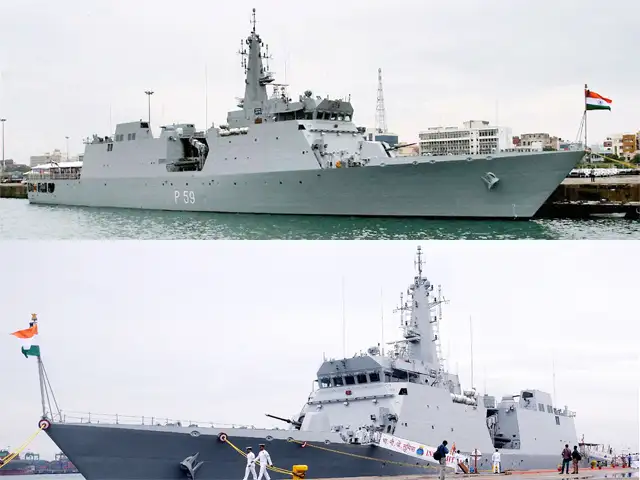
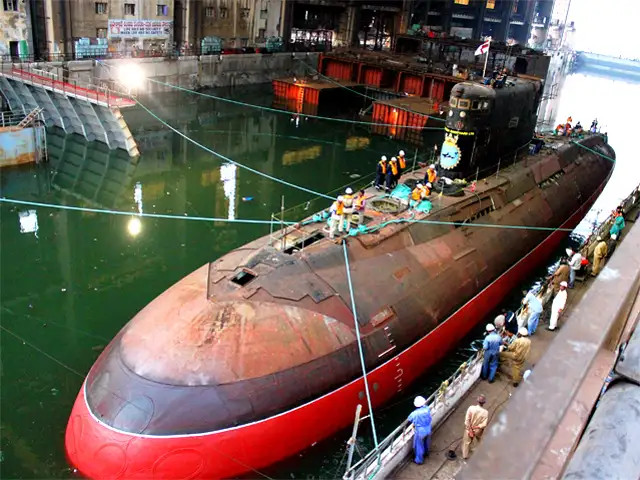
More than a dozen warships of the navy and coast guard are combing the water of the Bay of Bengal along the flight path of the missing aircraft. Multiple aircraft, including the search specialised Boeing P8 Is of the navy, have been deployed to pick up any sign of debris. Undersea, a kilo-class submarine of the navy, has been straining to pick up sonar signals emitted by the Dornier’s emergency locater. Two vessels belonging to government-owned ocean research agencies have also joined in. Last week, a faint and wavering signal from deep under the sea, believed to be from CG 791, was picked up.
However, the signal is so weak and infrequent that even after being tracked by multiple vessels, its location hasn’t been triangulated. The mega search effort has yielded no sign of debris associated with a sea-ditching. While the faint sonar signal is being tracked, successive efforts to locate it have failed, even after detailed seabed mapping by ocean research vessels.
“The challenge is that the seabed in the area is at a depth of 700–950 metres. At that level, pinpointing the faint signal has been difficult. Also, that area has a soft mud base into which the aircraft is feared to have sunk,” Director General of Coast Guard Vice Admiral HCS Bisht told ET. The top officer, who is personally monitoring the search mission, says the coast guard has looked at the best technologies in the world and has contacted prominent salvage companies with little positive feedback. “We spoke with one of the most renowned companies from Singapore and they told us the maximum they had done was a salvage mission at 610 metres.
The seabed here starts from 750 metres,” Bisht said. While hopes of finding the three crew members have diminished, the coast guard is concentrating on locating the plane to get to the bottom of the mystery. The Dornier has been its primary search aircraft with a good safety record in its over 2 lakh flying hours of service. Also, with CG 791 only a year old, establishing the reason for the loss is critical for the safety of the rest of the Dornier fleet – both the navy and the coast guard operate a large number of these aircraft.
Despite the herculean effort by the armed forces to trace the aircraft, the last real hope of recovering the critical data recorder and other parts of the CG 791, which is now believed to have settled at the bottom of the sea, lies with a private sector-owned vessel – the Olympic Canyon. In service with Reliance Industries, the Olympic Canyon is a multipurpose offshore ship equipped with a remotely operated vessel that can pick up parts or an entire aircraft from the seabed.
Deployed at Reliance’s KG Basin facilities, the ship operates an underwater vessel that can dive over 1,000 metres, take photographs and pick up samples from the seabed. Reliance, coast guard officials say, operates the vessel at a cost of close to Rs 1 crore a day and provided it without charge for the search operation.
“This is the best technology available in the world. They were working on a very critical project off Vizag but when we put in a request for the humanitarian mission, the ship was diverted for the CG 791 search. While we offered, Reliance insisted that they would not charge us anything for the search,” Inspector General VSR Murthy, Deputy Director General (Operations), told ET.
In the first round that lasted four days, the remote vessel could not pick up any sign of the aircraft and returned to KG Basin on June 23. However, Murthy said Reliance has promised to send it back for a more pinpointed mission in a few days. Till then, the search mission will continue. “We cannot rest till we come to a conclusion or an explanation,” said Murthy, who has been coordinating the search mission from the New Delhi-based operations room of the coast guard.
The longest wait, however, is for the families of the three crew members - Deputy Commandants DS Vidyasagar (pilot), MK Soni (co-pilot) and Subhash Suresh (navigator) - who are virtually camping at the search control room in Chennai, holding on to the hope for a miracle.
CG 791 not the only one
Missing for over 2 weeks, the CG 791 mystery may never be solved, considering that the Dornier aircraft is believed to have sunk to the seabed at a depth of over 700 meters off the Tamil Nadu coast. While it is diffi cult to imagine any aircraft completely disappearing given the modern technology available, the case of the missing Malaysian airliner MH370 is an example of how little can be done when faced by the vastness of the ocean.
In India’s case, while the hunt for CG 791 is the largest ever carried out by maritime agencies, there is a fear it will join the list of lost military aircraft over the decades. A few mystery cases...
February 1968
On a fl ight to Leh, an An-12 transport aircraft with 102 personnel on board decides to turn back due to bad weather. Last tracked over the Rohtang pass, the aircraft disappears - for 35 years. Wreckage discovered by mountaineers in 2003 in Himachal’s Lahaul region, bodies still being found.
March 1986
A brand new An-32 transport aircraft is being ferried from the USSR to India. On the fi nal leg to Jamnagar, aircraft with seven onboard disappears over the Arabian Sea, leaving no trace of its crew or wreckage.
June 1990
MIG-21 BIS fi ghter fl own by fl ying offi cer B Agarwal fails to come back to the Bhuj airbase in Gujarat after a mission. No trace of the fi ghter or pilot ever found despite extensive, weeks long air ground search.
April 2002
Another MiG-21 trainer, with two pilots onboard goes missing after taking off from the Tezpur airbase in Assam. Till now, no sign of the fi ghter or its pilots - Squadron Leader Idris Khan and Flying Offi cer D Dhaiya
June 2004
A MiG-27 fi ghter piloted by Flying Offi cer Ajit Sinha takes off from the Hashimara airbase in West Bengal and disappears shortly afterwards. After a 20-day search, wreckage of the fi ghter is fi nally traced in a thick jungle, far away from base.
For more than two weeks now, the coast guard has been searching for one of its own – a twin-engine Dornier maritime reconnaissance aircraft -- just over a year old, in good service condition and with one of the most experienced pilots at the helm -- that went missing in perfect weather barely half an hour before it was to land in Chennai after a sea patrol mission.
The sudden disappearance of a sturdy aircraft without any warning or distress call is always a confounding mystery – cut to March last year, when Malaysia Airlines Flight 370, a Boeing 777-200, vanished and still remains untraced.
However, in Indian military aviation, it is not unprecedented. There has been a series of unresolved incidents, ranging from an AN-12 transport aircraft with 102 personnel on board that went missing in 1968 only to be discovered 35 years later buried in a glacier, to the case of a MiG-21 fighter trainer with two pilots that was lost in 2002 and is yet to be found.
What is, however, unprecedented is the search for CG 791, the tail number of the Dornier aircraft with three crew members that went missing on the night of June 8. The coast guard, the nation’s primary maritime search-and-rescue agency, says that this is by far the largest-ever effort it has mounted and while hope is fading by the day, there are no plans to scale down the mission to locate the plane.
ADVERTISEMENT
More than a dozen warships of the navy and coast guard are combing the water of the Bay of Bengal along the flight path of the missing aircraft. Multiple aircraft, including the search specialised Boeing P8 Is of the navy, have been deployed to pick up any sign of debris. Undersea, a kilo-class submarine of the navy, has been straining to pick up sonar signals emitted by the Dornier’s emergency locater. Two vessels belonging to government-owned ocean research agencies have also joined in. Last week, a faint and wavering signal from deep under the sea, believed to be from CG 791, was picked up.
However, the signal is so weak and infrequent that even after being tracked by multiple vessels, its location hasn’t been triangulated. The mega search effort has yielded no sign of debris associated with a sea-ditching. While the faint sonar signal is being tracked, successive efforts to locate it have failed, even after detailed seabed mapping by ocean research vessels.
“The challenge is that the seabed in the area is at a depth of 700–950 metres. At that level, pinpointing the faint signal has been difficult. Also, that area has a soft mud base into which the aircraft is feared to have sunk,” Director General of Coast Guard Vice Admiral HCS Bisht told ET. The top officer, who is personally monitoring the search mission, says the coast guard has looked at the best technologies in the world and has contacted prominent salvage companies with little positive feedback. “We spoke with one of the most renowned companies from Singapore and they told us the maximum they had done was a salvage mission at 610 metres.
The seabed here starts from 750 metres,” Bisht said. While hopes of finding the three crew members have diminished, the coast guard is concentrating on locating the plane to get to the bottom of the mystery. The Dornier has been its primary search aircraft with a good safety record in its over 2 lakh flying hours of service. Also, with CG 791 only a year old, establishing the reason for the loss is critical for the safety of the rest of the Dornier fleet – both the navy and the coast guard operate a large number of these aircraft.
ADVERTISEMENT
Despite the herculean effort by the armed forces to trace the aircraft, the last real hope of recovering the critical data recorder and other parts of the CG 791, which is now believed to have settled at the bottom of the sea, lies with a private sector-owned vessel – the Olympic Canyon. In service with Reliance Industries, the Olympic Canyon is a multipurpose offshore ship equipped with a remotely operated vessel that can pick up parts or an entire aircraft from the seabed.
Deployed at Reliance’s KG Basin facilities, the ship operates an underwater vessel that can dive over 1,000 metres, take photographs and pick up samples from the seabed. Reliance, coast guard officials say, operates the vessel at a cost of close to Rs 1 crore a day and provided it without charge for the search operation.
ADVERTISEMENT
“This is the best technology available in the world. They were working on a very critical project off Vizag but when we put in a request for the humanitarian mission, the ship was diverted for the CG 791 search. While we offered, Reliance insisted that they would not charge us anything for the search,” Inspector General VSR Murthy, Deputy Director General (Operations), told ET.
In the first round that lasted four days, the remote vessel could not pick up any sign of the aircraft and returned to KG Basin on June 23. However, Murthy said Reliance has promised to send it back for a more pinpointed mission in a few days. Till then, the search mission will continue. “We cannot rest till we come to a conclusion or an explanation,” said Murthy, who has been coordinating the search mission from the New Delhi-based operations room of the coast guard.
The longest wait, however, is for the families of the three crew members - Deputy Commandants DS Vidyasagar (pilot), MK Soni (co-pilot) and Subhash Suresh (navigator) - who are virtually camping at the search control room in Chennai, holding on to the hope for a miracle.
CG 791 not the only one
Missing for over 2 weeks, the CG 791 mystery may never be solved, considering that the Dornier aircraft is believed to have sunk to the seabed at a depth of over 700 meters off the Tamil Nadu coast. While it is diffi cult to imagine any aircraft completely disappearing given the modern technology available, the case of the missing Malaysian airliner MH370 is an example of how little can be done when faced by the vastness of the ocean.
In India’s case, while the hunt for CG 791 is the largest ever carried out by maritime agencies, there is a fear it will join the list of lost military aircraft over the decades. A few mystery cases...
February 1968
On a fl ight to Leh, an An-12 transport aircraft with 102 personnel on board decides to turn back due to bad weather. Last tracked over the Rohtang pass, the aircraft disappears - for 35 years. Wreckage discovered by mountaineers in 2003 in Himachal’s Lahaul region, bodies still being found.
March 1986
A brand new An-32 transport aircraft is being ferried from the USSR to India. On the fi nal leg to Jamnagar, aircraft with seven onboard disappears over the Arabian Sea, leaving no trace of its crew or wreckage.
June 1990
MIG-21 BIS fi ghter fl own by fl ying offi cer B Agarwal fails to come back to the Bhuj airbase in Gujarat after a mission. No trace of the fi ghter or pilot ever found despite extensive, weeks long air ground search.
April 2002
Another MiG-21 trainer, with two pilots onboard goes missing after taking off from the Tezpur airbase in Assam. Till now, no sign of the fi ghter or its pilots - Squadron Leader Idris Khan and Flying Offi cer D Dhaiya
June 2004
A MiG-27 fi ghter piloted by Flying Offi cer Ajit Sinha takes off from the Hashimara airbase in West Bengal and disappears shortly afterwards. After a 20-day search, wreckage of the fi ghter is fi nally traced in a thick jungle, far away from base.
Download
The Economic Times Business News App for the Latest News in Business, Sensex, Stock Market Updates & More.
The Economic Times Business News App for the Latest News in Business, Sensex, Stock Market Updates & More.
Download
The Economic Times News App for Quarterly Results, Latest News in ITR, Business, Share Market, Live Sensex News & More.
The Economic Times News App for Quarterly Results, Latest News in ITR, Business, Share Market, Live Sensex News & More.
Economictimes.com & Agencies
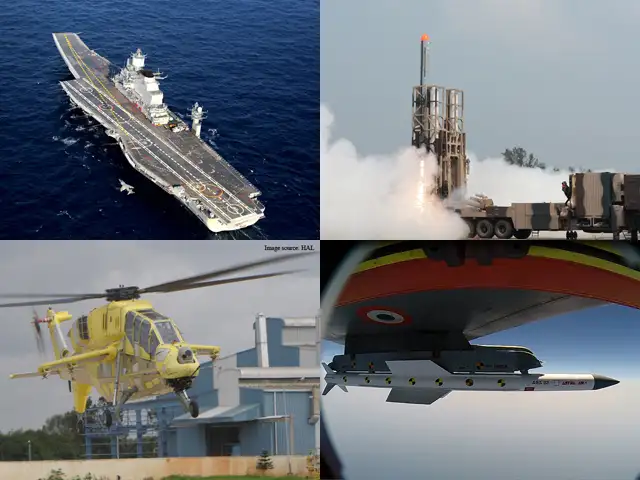
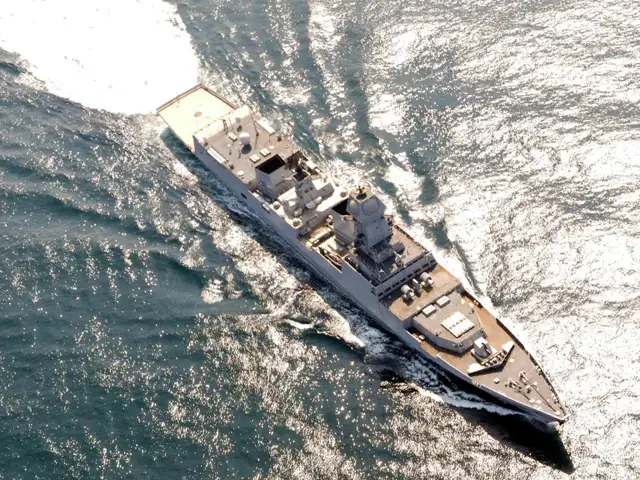
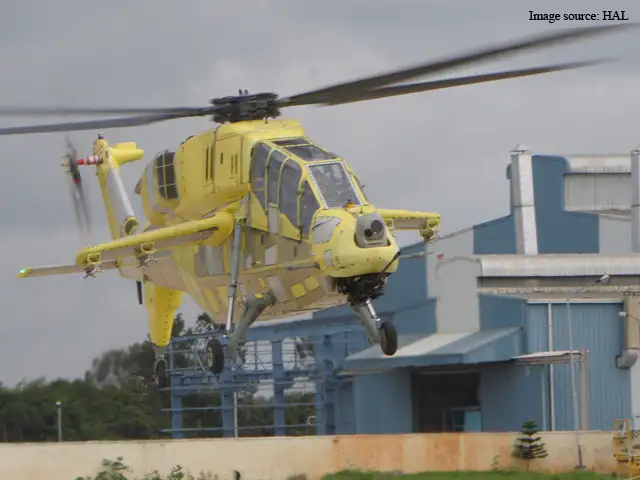
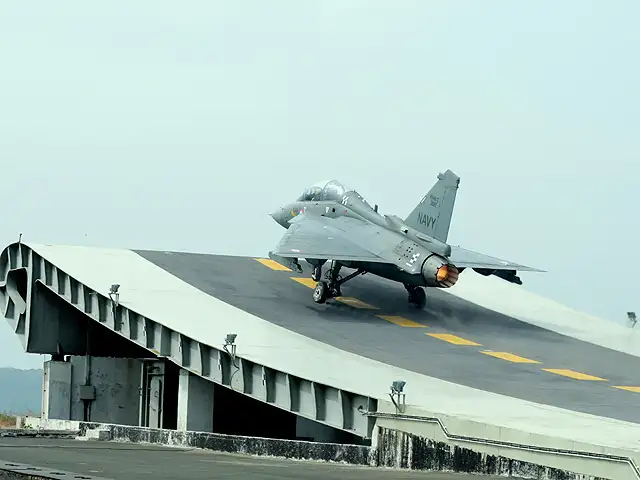
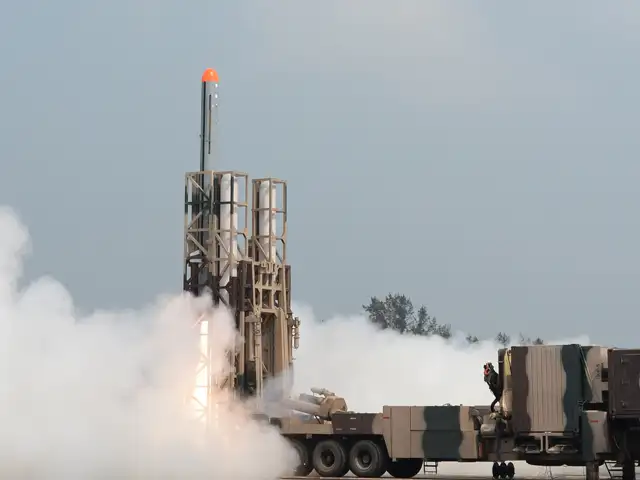
The need to have robust defence capabilities in today's day and age cannot be overstated. India has been aggressively pushing to enhance its ability to deter attacks and up its defence prowess.
2014 saw multiple steps being taken in that direction and India saw many new additions to its defence fleet. We take a look at eight achievements that deserve a special mention:
The need to have robust defence capabilities in today's day and age cannot be overstated. India has been aggressively pushing to enhance its ability to deter attacks and up its defence prowess.
2014 saw multiple steps being taken in that direction and India saw many new additions to its defence fleet. We take a look at eight achievements that deserve a special mention:

ADVERTISEMENT


