Sweden backs India's bid for entry into Missile Technology Control Regime
Sweden, a key member of the Missile Technology Control Regime, has backed India's bid for entry into the elite group of countries.
By PTI | Updated:

STOCKHOLM: Sweden, a key member of the Missile Technology Control Regime, has backed India's bid for entry into the elite group of countries that seek to prevent the proliferation of missile and unmanned aerial vehicle technology.
The backing was conveyed to President Pranab Mukherjee, who is here on a state visit, the first-ever by any Indian head of state, by Swedish Prime Minister Stefen Lofven who called on him along with his cabinet colleagues.
Lofven told the President that Sweden supported India's bid for entry into the MTCR, a voluntary association of 34 countries favouring non-proliferation of unmanned delivery systems capable of delivering weapons of mass destruction.
The backing came as India is looking to secure an early membership of the four multilateral export control regimes -- Nuclear Suppliers Group (NSG), MTCR, Australia Group and the Wassenaar Arrangement.
Historically, Swedish governments across party lines have been very outspoken about non-proliferation and disarmament issues and the country is part of all nonproliferation treaties, accords, agreements and voluntary organisations.
During the meeting yesterday, the Swedish Prime Minister also shared the view that in a reformed United Nations Security Council, Sweden believed that India had credentials to be a part of it.
"In view of the size as well as speed at which it was growing, India is a natural claimant for being a part of the UNSC," Lofven was quoted as saying by Secretary (West) in the Ministry of External Affairs Navtej Sarna.
Stressing that India and Sweden have similar views on regional and global issues, President Mukherjee later thanked the Nordic country for its endorsement of India's "rightful" claim to permanent membership of the UN Security Council.
In his speech at a banquet hosted by King Carl XVI Gustaf and Queen Silvia last evening, Mukherjee said the two nations though geographically distant from each other are bound by a common commitment to democratic values and practice.
Mukherjee said bilateral agreements that were signed during his visit here will lead to further fruitful engagement in the many fields where India and Sweden have obvious complementarities.
"Our countries have similar views on many issues of regional and global concern. We have been cooperating closely in the United Nations and other multilateral fora -- where India appreciates the support that we have received and continue to receive from Sweden," Mukherjee said.
"We are grateful for your endorsement of India's rightful claim to permanent membership of the United Nations Security Council and for your proactive efforts that helped India achieve Observer status in the Arctic Council during the period of Sweden's Chairmanship," Mukherjee said.
He said India attaches great importance to its long- standing friendship with Sweden.
"We are both open, pluralistic societies that are committed to the protection of human rights and the rule of law. We have, over the years, developed mutual trust and goodwill that has brought our people together to achieve our common goals in many sectors.
The backing was conveyed to President Pranab Mukherjee, who is here on a state visit, the first-ever by any Indian head of state, by Swedish Prime Minister Stefen Lofven who called on him along with his cabinet colleagues.
Lofven told the President that Sweden supported India's bid for entry into the MTCR, a voluntary association of 34 countries favouring non-proliferation of unmanned delivery systems capable of delivering weapons of mass destruction.
The backing came as India is looking to secure an early membership of the four multilateral export control regimes -- Nuclear Suppliers Group (NSG), MTCR, Australia Group and the Wassenaar Arrangement.
Historically, Swedish governments across party lines have been very outspoken about non-proliferation and disarmament issues and the country is part of all nonproliferation treaties, accords, agreements and voluntary organisations.
During the meeting yesterday, the Swedish Prime Minister also shared the view that in a reformed United Nations Security Council, Sweden believed that India had credentials to be a part of it.
ADVERTISEMENT
"In view of the size as well as speed at which it was growing, India is a natural claimant for being a part of the UNSC," Lofven was quoted as saying by Secretary (West) in the Ministry of External Affairs Navtej Sarna.
Stressing that India and Sweden have similar views on regional and global issues, President Mukherjee later thanked the Nordic country for its endorsement of India's "rightful" claim to permanent membership of the UN Security Council.
In his speech at a banquet hosted by King Carl XVI Gustaf and Queen Silvia last evening, Mukherjee said the two nations though geographically distant from each other are bound by a common commitment to democratic values and practice.
Mukherjee said bilateral agreements that were signed during his visit here will lead to further fruitful engagement in the many fields where India and Sweden have obvious complementarities.
ADVERTISEMENT
"Our countries have similar views on many issues of regional and global concern. We have been cooperating closely in the United Nations and other multilateral fora -- where India appreciates the support that we have received and continue to receive from Sweden," Mukherjee said.
"We are grateful for your endorsement of India's rightful claim to permanent membership of the United Nations Security Council and for your proactive efforts that helped India achieve Observer status in the Arctic Council during the period of Sweden's Chairmanship," Mukherjee said.
ADVERTISEMENT
He said India attaches great importance to its long- standing friendship with Sweden.
"We are both open, pluralistic societies that are committed to the protection of human rights and the rule of law. We have, over the years, developed mutual trust and goodwill that has brought our people together to achieve our common goals in many sectors.
Recalling the visit of the King of Sweden to India in 1993 and 2005, Mukherjee said it has been a decade since that visit and over these years India has seen dramatic progress in many sectors.
Mukherjee also extended an invitation to the King to visit India again at a convenient date.
"The new Government in India has taken a number of initiatives to encourage investments, boost the manufacturing sector in India, promote skill development, develop smart cities and engage closely with all interested partners and investors -- both in India and abroad -- to realise these objectives," he said.
Underlining historical relations between the two countries, Mukherjee said the Nobel prize awarded to Rabindranath Tagore was only possible due to the great interest shown by the Swedish society in the literary works of Tagore as early as 1911.
"Gurudev Tagore visited Sweden in 1921 and 1926. These were probably the first recorded visits of an eminent Indian dignitary to Sweden. He was greeted, among others, by His Majesty the King Gustav V," he said.
ADVERTISEMENT
Mukherjee congratulated the people of Sweden for their creativity and their ingenious innovations and thanked them for giving to the world some of the most important and life-changing inventions.
The President will fly to Belarus today for a two day State visit which is first ever by an Indian Head of State.
Download
The Economic Times Business News App for the Latest News in Business, Sensex, Stock Market Updates & More.
The Economic Times Business News App for the Latest News in Business, Sensex, Stock Market Updates & More.
Download
The Economic Times News App for Quarterly Results, Latest News in ITR, Business, Share Market, Live Sensex News & More.
The Economic Times News App for Quarterly Results, Latest News in ITR, Business, Share Market, Live Sensex News & More.
Text: PTI & Agencies
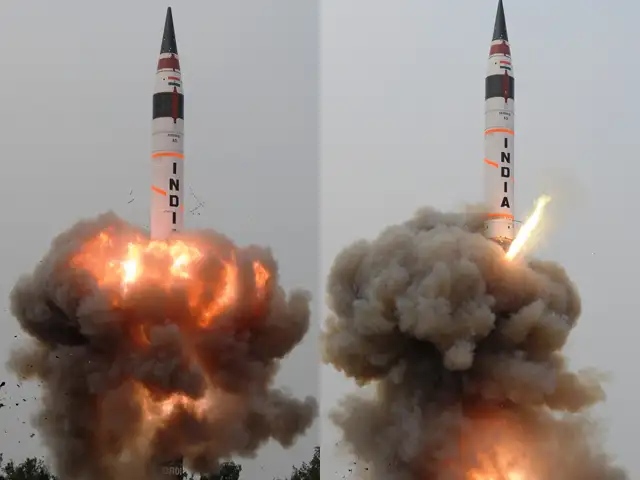
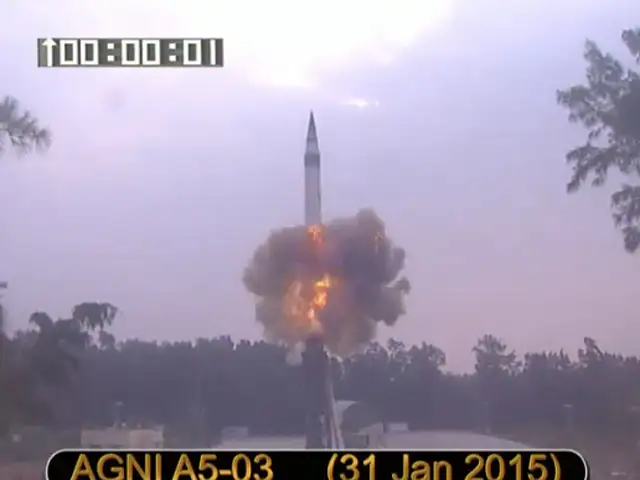
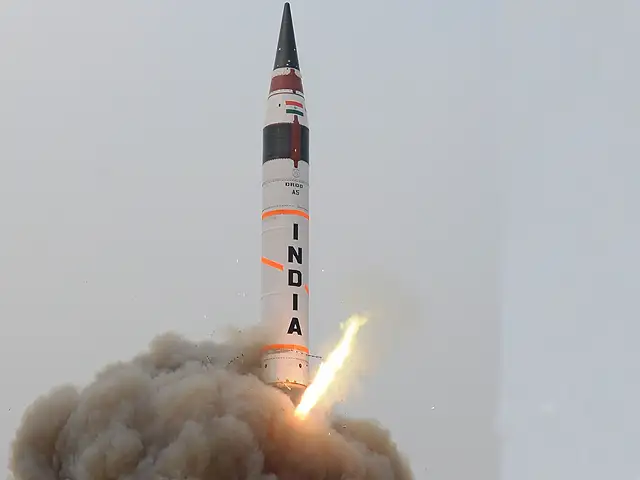
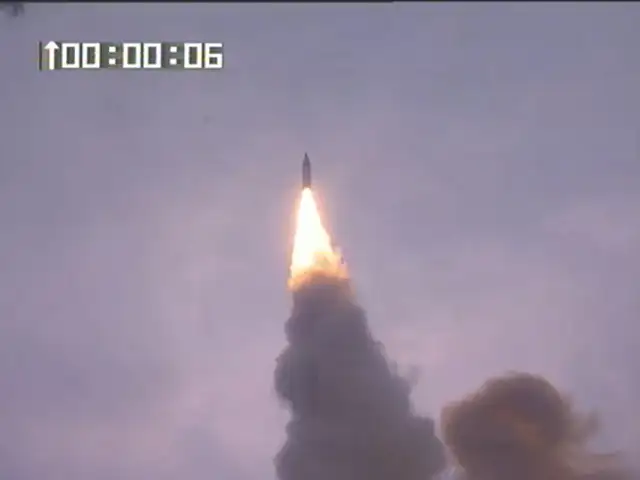
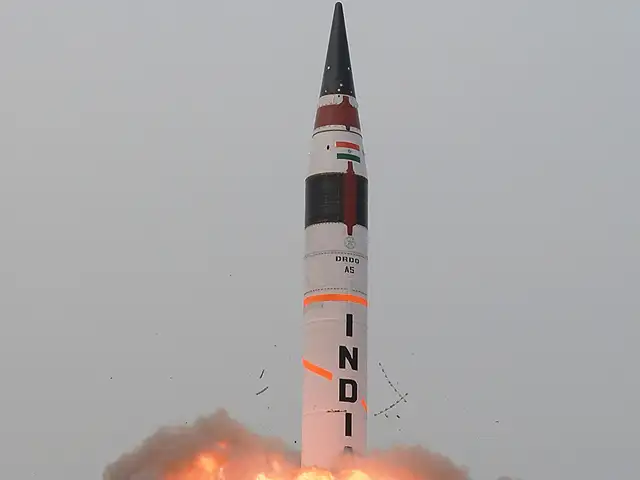
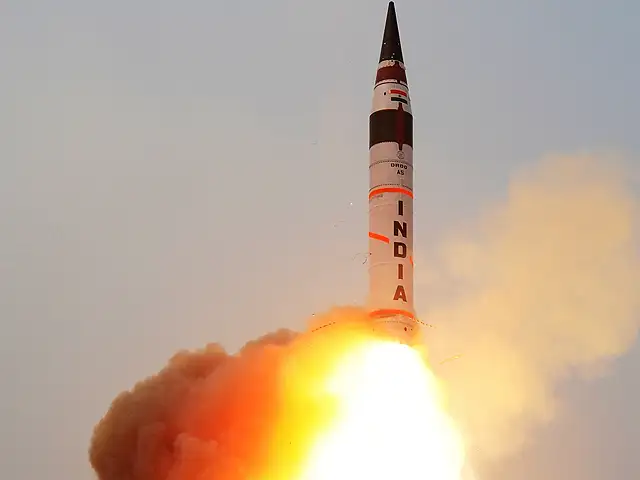
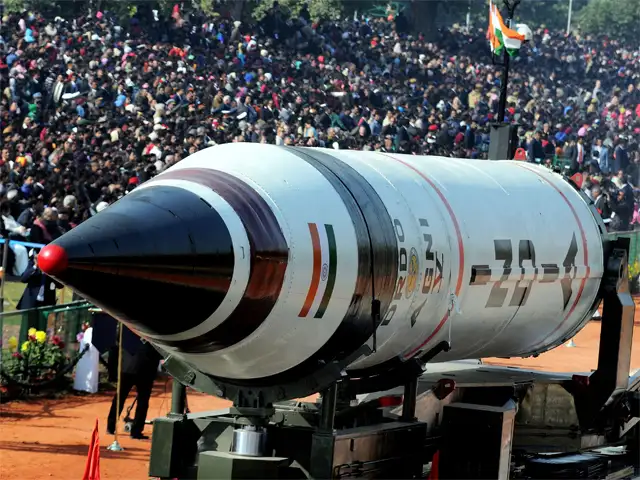
In a huge boost to India's defence sector, the maiden canister-based trial of the country's most potent missile Agni-V was conducted.
Image by DRDO
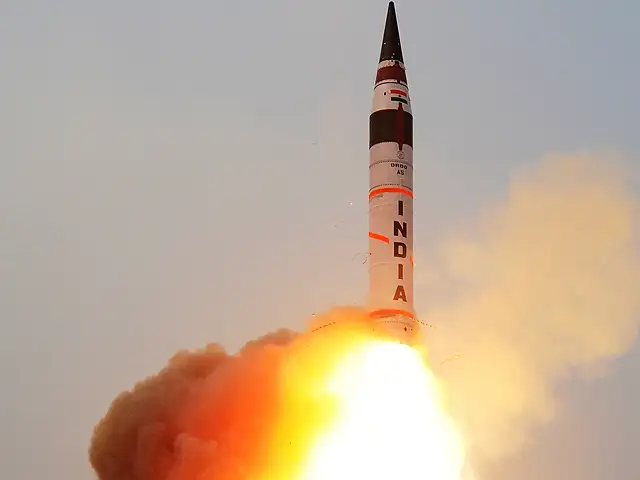
In a huge boost to India's defence sector, the maiden canister-based trial of the country's most potent missile Agni-V was conducted.
Image by DRDO

ADVERTISEMENT


