Speeding up defence deals: Government to ease offset clause for procurement contracts
The defence ministry has, however, mandated that winners of contracts must seal offset arrangements, within a year of signing the main deal, Parrikar said.

NEW DELHI: The government will allow defence procurement contracts to go through even if negotiations for offset agreements linked to them are not sealed, in a landmark change in rules aimed at cutting down the time taken in closing purchases.
The defence ministry has, however, mandated that winners of contracts must seal offset arrangements, under which they are required to set up local manufacturing units or enter into sourcing deals locally, within a year of signing the main deal. “So what we decided is to delink the conclusion of the main deal from the offsets because it takes time to identify partners,” Defence Minister Manohar Parrikar told ET.
This decision to grant greater leeway to offset deals was taken at a meeting earlier this month of the Defence Acquisition Council, where it was agreed that important contracts are getting delayed because suppliers were struggling to close their offset obligations in time. The council, headed by Parrikar, is the final authority on defence procurements.
Countries often demand offset agreements from foreign suppliers while signing big-ticket defence deals to ensure that the domestic industry benefits in the long term either by way of technology transfer or in the form of a boost to local manufacturing.
Offset obligations can at times be worth more than 100% of the contract value, although in India they are usually around 30%. However, the implementation of offsets usually poses a problem. While firms submit detailed plans on how they intend to fulfill their offset obligations, they can firm up local partners to implement these commitments only after they have secured the main deal.
This causes delays as permissions have to be sought for approving each offset contractor. Now it has been agreed that overseas vendors will be given a year’s time to finalise their offsets partners. Companies already selected for contracts and involved in executing them could also get some relaxation under this new policy. The rule states that any firm bagging a major defence contract would have to invest at least 30% of the deal amount in the Indian defence and aerospace industry.
DELAYED DEALS
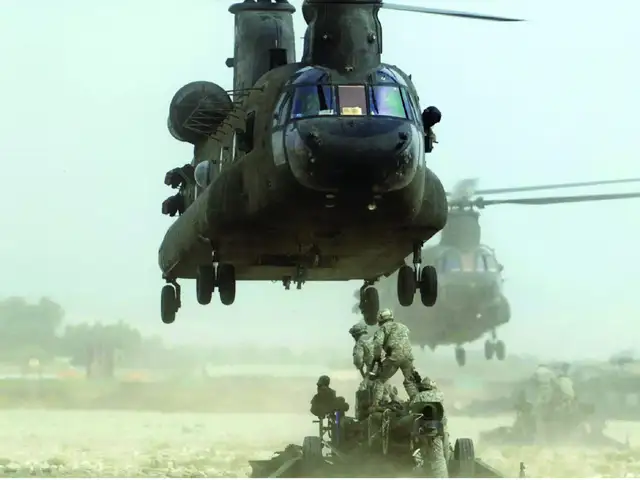
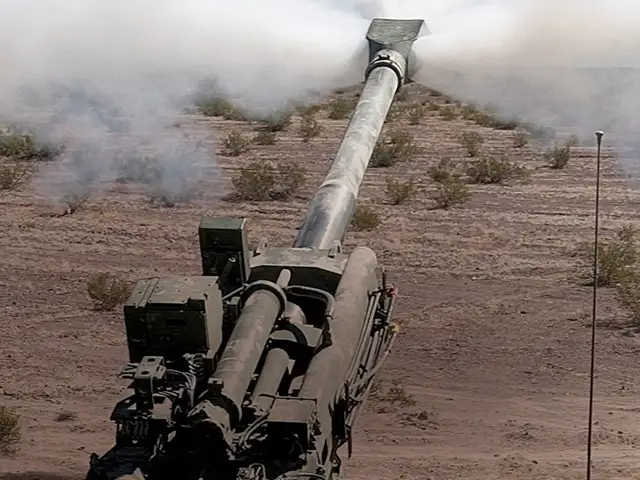
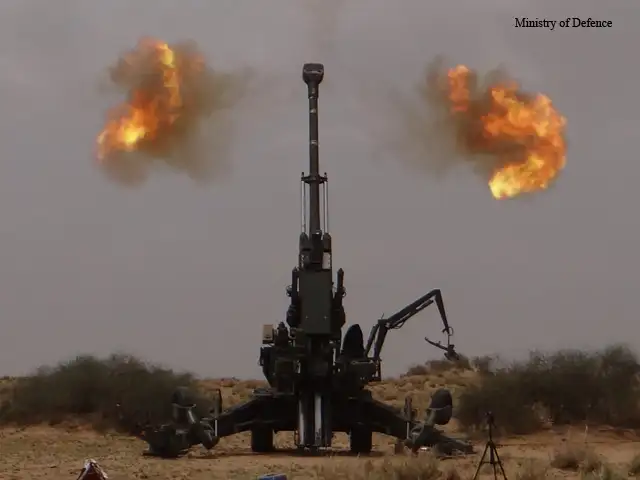
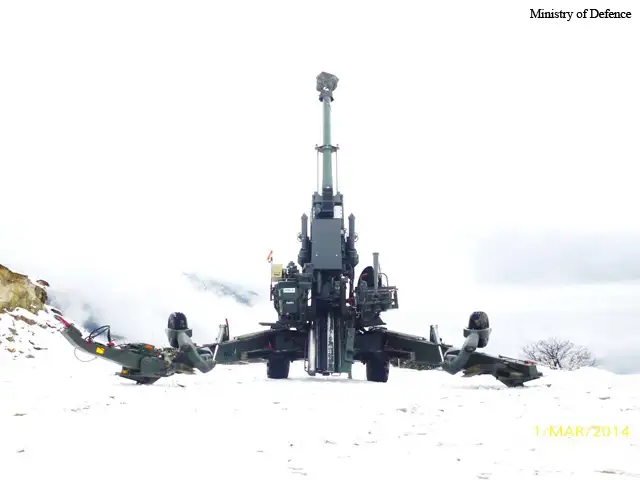
Many important contracts like the Multi-role Tanker Transport Aircraft (mid-air refueller) and the M-777 howitzer have faced considerable delays due to the offsets problem.
In some cases, the companies have had to pay penalties and re-submit offset proposals just to keep the main deal alive. Foreign manufacturers had several complaints against the earlier offset policy, given that fines worth over $35 million were imposed on them in the past few years due to a failure to meet obligations in time.
In fact, foreign firms barely met half of the $1.3 billion worth of offsets they had to discharge as investments in India between 2008 and 2014. The defence ministry is also planning a major overhaul in the offset policy and has come up with a draft that has a three way formula.
This proposes three new ways of discharging offsets —transfer of critical technology to DRDO which will in turn transfer to the industry, directed offsets of 30% to create specific manufacturing facilities and investments in skill development and training.
The defence ministry has, however, mandated that winners of contracts must seal offset arrangements, under which they are required to set up local manufacturing units or enter into sourcing deals locally, within a year of signing the main deal. “So what we decided is to delink the conclusion of the main deal from the offsets because it takes time to identify partners,” Defence Minister Manohar Parrikar told ET.
This decision to grant greater leeway to offset deals was taken at a meeting earlier this month of the Defence Acquisition Council, where it was agreed that important contracts are getting delayed because suppliers were struggling to close their offset obligations in time. The council, headed by Parrikar, is the final authority on defence procurements.
Countries often demand offset agreements from foreign suppliers while signing big-ticket defence deals to ensure that the domestic industry benefits in the long term either by way of technology transfer or in the form of a boost to local manufacturing.
Offset obligations can at times be worth more than 100% of the contract value, although in India they are usually around 30%. However, the implementation of offsets usually poses a problem. While firms submit detailed plans on how they intend to fulfill their offset obligations, they can firm up local partners to implement these commitments only after they have secured the main deal.
ADVERTISEMENT
This causes delays as permissions have to be sought for approving each offset contractor. Now it has been agreed that overseas vendors will be given a year’s time to finalise their offsets partners. Companies already selected for contracts and involved in executing them could also get some relaxation under this new policy. The rule states that any firm bagging a major defence contract would have to invest at least 30% of the deal amount in the Indian defence and aerospace industry.
DELAYED DEALS
Many important contracts like the Multi-role Tanker Transport Aircraft (mid-air refueller) and the M-777 howitzer have faced considerable delays due to the offsets problem.
ADVERTISEMENT
In some cases, the companies have had to pay penalties and re-submit offset proposals just to keep the main deal alive. Foreign manufacturers had several complaints against the earlier offset policy, given that fines worth over $35 million were imposed on them in the past few years due to a failure to meet obligations in time.
In fact, foreign firms barely met half of the $1.3 billion worth of offsets they had to discharge as investments in India between 2008 and 2014. The defence ministry is also planning a major overhaul in the offset policy and has come up with a draft that has a three way formula.
ADVERTISEMENT
This proposes three new ways of discharging offsets —transfer of critical technology to DRDO which will in turn transfer to the industry, directed offsets of 30% to create specific manufacturing facilities and investments in skill development and training.
Download
The Economic Times Business News App for the Latest News in Business, Sensex, Stock Market Updates & More.
The Economic Times Business News App for the Latest News in Business, Sensex, Stock Market Updates & More.
Download
The Economic Times News App for Quarterly Results, Latest News in ITR, Business, Share Market, Live Sensex News & More.
The Economic Times News App for Quarterly Results, Latest News in ITR, Business, Share Market, Live Sensex News & More.
Related Articles
 Defence ministry seals 13 procurement contracts to boost Army's anti-terror grid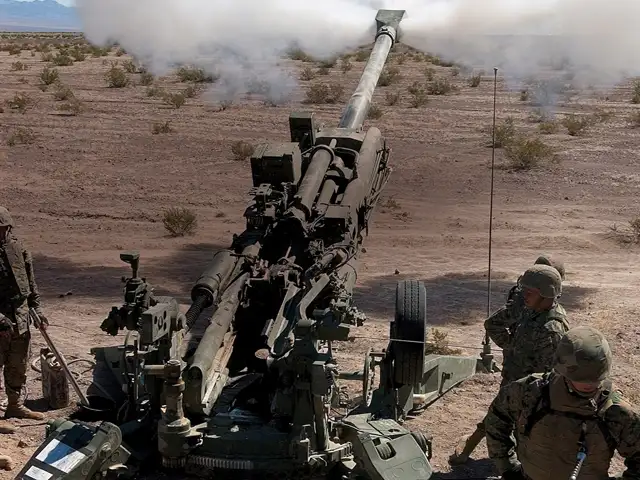
ET Bureau & Agencies
In what will be a major fillip to the private defence manufacturing sector, the government has cleared three 'Make in India' contracts worth $3.4 billion, including a project to procure US-origin M777 artillery guns.
India's Ordnance Factory Board has already developed the electronically upgraded desi version of the original Swedish 155mm Bofors howitzer, and the guns are currently at the trial stage. DRDO is also developing an advanced all-electric gun system.
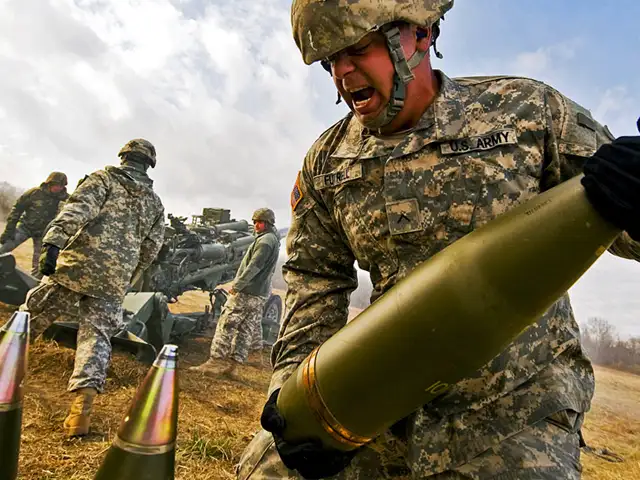
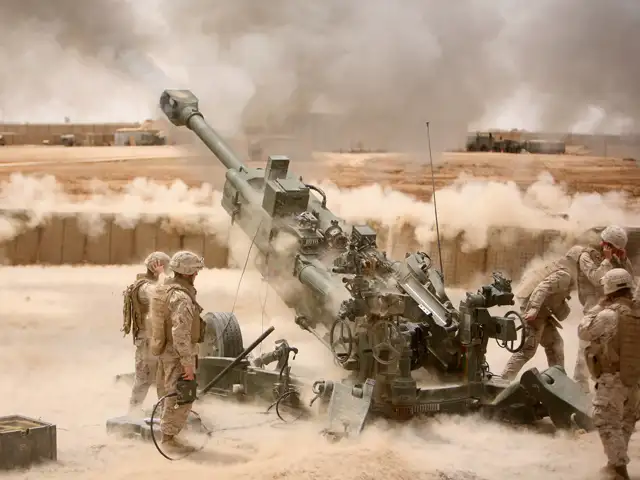
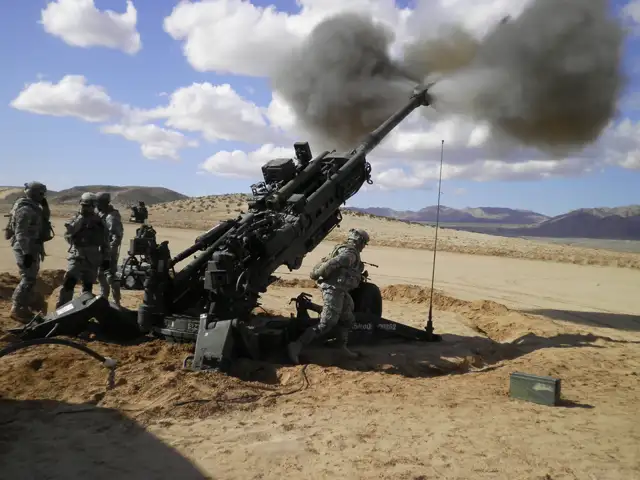
We take a look at the M777 artillery guns that India is looking to procure:
BAE Systems photo
In what will be a major fillip to the private defence manufacturing sector, the government has cleared three 'Make in India' contracts worth $3.4 billion, including a project to procure US-origin M777 artillery guns.
India's Ordnance Factory Board has already developed the electronically upgraded desi version of the original Swedish 155mm Bofors howitzer, and the guns are currently at the trial stage. DRDO is also developing an advanced all-electric gun system.
We take a look at the M777 artillery guns that India is looking to procure:
BAE Systems photo

ADVERTISEMENT
READ MORE:
LOGIN & CLAIM
50 TIMESPOINTS
More from our Partners

Loading next story

Cancel
