Russia's S-400 Triumf missile systems to help India secure borders with Pakistan & China
S-400 Triumf air defence missile systems can destroy incoming hostile aircraft, stealth fighters, missiles and drones at ranges of up to 400 km.
By Rajat Pandit, TNN | Updated:

NEW DELHI: The government on Thursday approved the Rs 39,000-crore acquisition of five advanced Russian S-400 Triumf air defence missile systems, which have even rattled Nato countries because they can destroy incoming hostile aircraft, stealth fighters, missiles and drones at ranges of up to 400 km.
Follow @ETDefence Twitter handle for comprehensive coverage on other buzzing Defence stories
The decision by the Manohar Parrikar-led defence acquisitions council (DAC), which will take some time to materialize into a deal after commercial negotiations, comes just ahead of PM Narendra Modi's summit with Russian President Vladimir Putin in Moscow on December 24. TOI was the first to report on October 11 that the DAC was finalizing the S-400 acquisition -on a par with the soon-to-be-inked $5 billion deal for 36 French Rafale fighters in terms of sheer criticality -ahead of Modi's visit to Russia.
The DAC approval is just an "acceptance of necessity" for Indian experts to formally negotiate the government-to-government deal with Russia. It will take a few years for the S-400 systems to be inducted.
The plan is to deploy three in the west (read Pakistan) and two in the east read China) to bolster the nation's air defence capability," said a source.
The DAC also cleared other modernisation proposals worth Rs 25,985 crore, including the Rs 14,600-crore acquisition of six more regiments of the indigenous Pinaka multiple-launch rocket systems. The army already has two regiments of the 40-km range Pinaka systems, while two more were approved earlier. But the S-400 was the clear takeaway to add "real defence substance" to Modi's visit to Russia, which will also see the two countries ink the inter-governmental agreement for the over $1 billion project to manufacture 200 Russian Kamov Ka-226T light utility helicopters under the `Make in India' policy.
Follow @ETDefence Twitter handle for comprehensive coverage on other buzzing Defence stories
The decision by the Manohar Parrikar-led defence acquisitions council (DAC), which will take some time to materialize into a deal after commercial negotiations, comes just ahead of PM Narendra Modi's summit with Russian President Vladimir Putin in Moscow on December 24. TOI was the first to report on October 11 that the DAC was finalizing the S-400 acquisition -on a par with the soon-to-be-inked $5 billion deal for 36 French Rafale fighters in terms of sheer criticality -ahead of Modi's visit to Russia.
The DAC approval is just an "acceptance of necessity" for Indian experts to formally negotiate the government-to-government deal with Russia. It will take a few years for the S-400 systems to be inducted.
ADVERTISEMENT
The plan is to deploy three in the west (read Pakistan) and two in the east read China) to bolster the nation's air defence capability," said a source.
ADVERTISEMENT
With the IAF trying to steadily plug gaping holes in the country's air defence coverage, including protection of strategic assets like nuclear reactors, the S-400 will come as a major shot in the arm for the force. India will be the second customer for the S-400 -designated 'SA-21 Growler' by Nato. China is slated to get deliveries of six S-400 batteries from 2017 onwards after a $3 billion deal with Russia last year. The DAC also cleared other modernisation proposals worth Rs 25,985 crore, including the Rs 14,600-crore acquisition of six more regiments of the indigenous Pinaka multiple-launch rocket systems. The army already has two regiments of the 40-km range Pinaka systems, while two more were approved earlier. But the S-400 was the clear takeaway to add "real defence substance" to Modi's visit to Russia, which will also see the two countries ink the inter-governmental agreement for the over $1 billion project to manufacture 200 Russian Kamov Ka-226T light utility helicopters under the `Make in India' policy.
ADVERTISEMENT
As reported by TOI, India is also on course to acquire a second nuclear-powered submarine on a $1.5 billion lease from Russia. The S-400 contract will be among the largest-ever deals with Russia. Download
The Economic Times Business News App for the Latest News in Business, Sensex, Stock Market Updates & More.
The Economic Times Business News App for the Latest News in Business, Sensex, Stock Market Updates & More.
Download
The Economic Times News App for Quarterly Results, Latest News in ITR, Business, Share Market, Live Sensex News & More.
The Economic Times News App for Quarterly Results, Latest News in ITR, Business, Share Market, Live Sensex News & More.
Related Articles
 India to receive remaining S-400 Triumf missile regiments from Russia by next year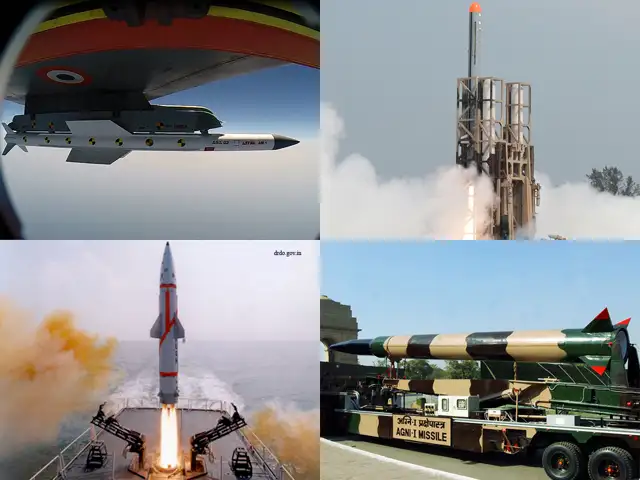
Text: TNN & Agencies
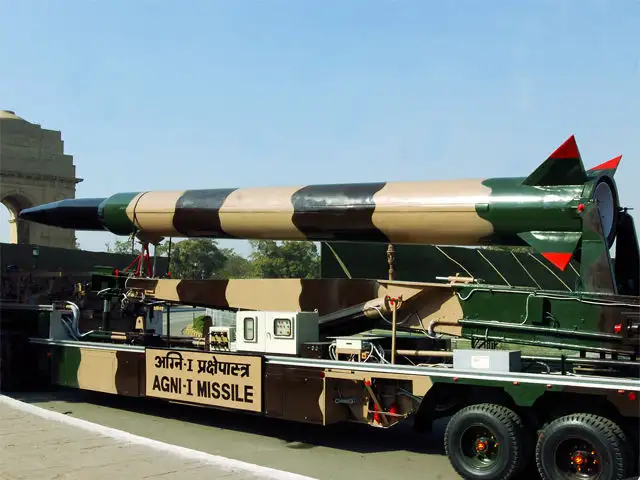
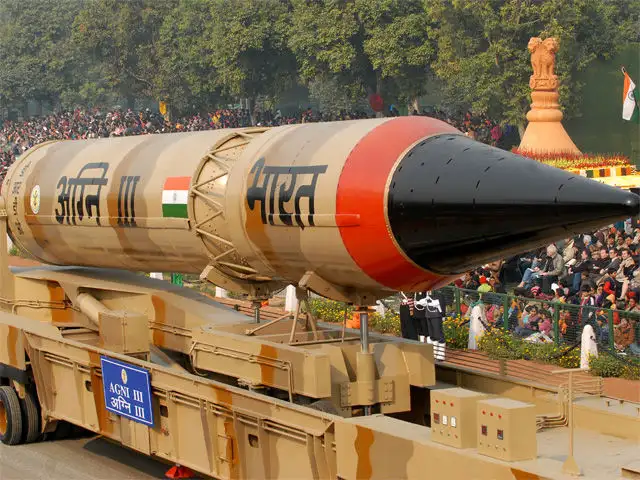
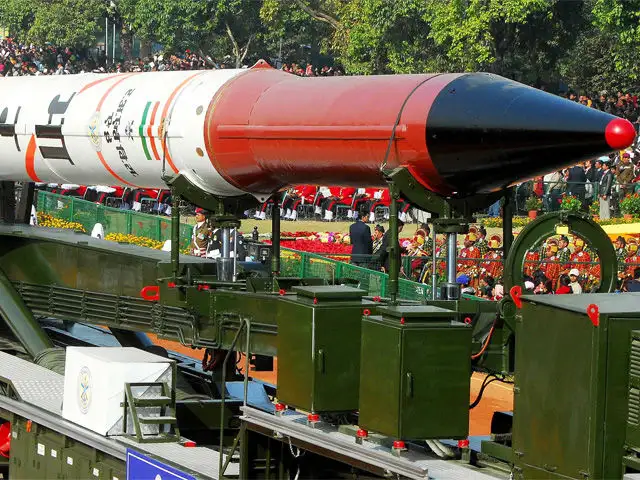
India may have developed surface-to-surface nuclear missiles like the Agni-V, which can strike targets over 5,000-km away, but has struggled to develop a complex BVR (beyond visual range) air combat missile like Astra for over a decade now.
Once the all-weather Astra is ready, India will join a handful of countries like the US, Russia, France and Israel which have developed such sleek missiles capable of detecting, tracking and destroying highly-agile, hostile supersonic fighters packed with “counter-measures” at long ranges.
Indian fighters are currently armed with Russian, French and Israeli BVR missiles, which cost a packet in the absence of a cheaper indigenous alternative.
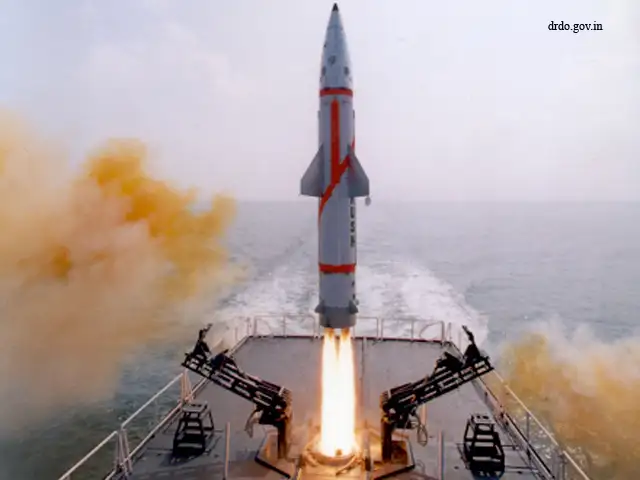
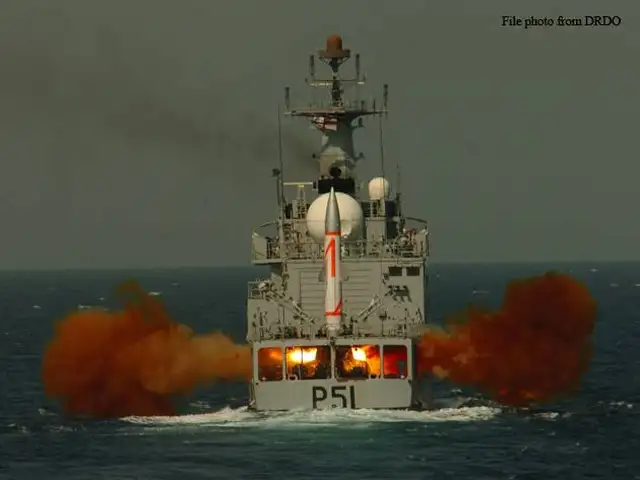
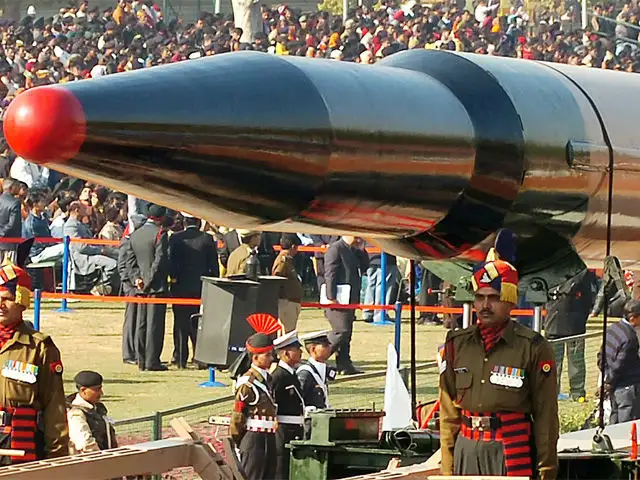
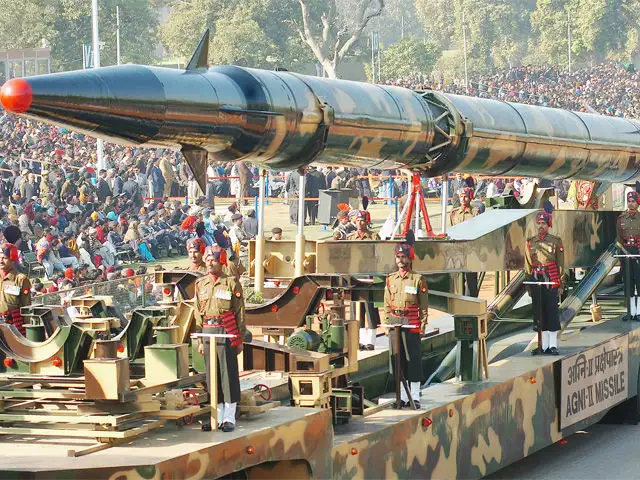
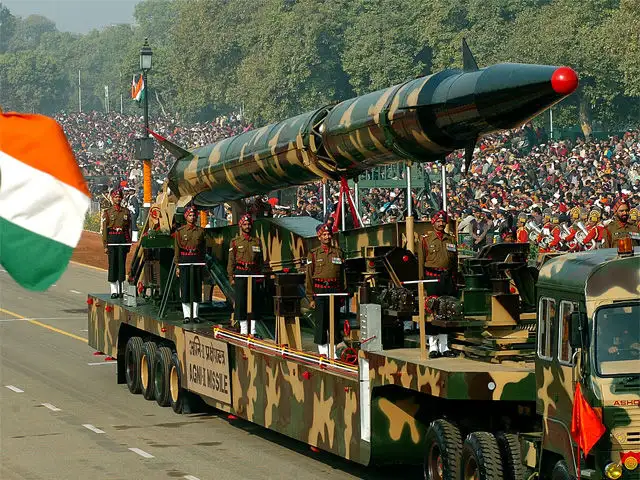
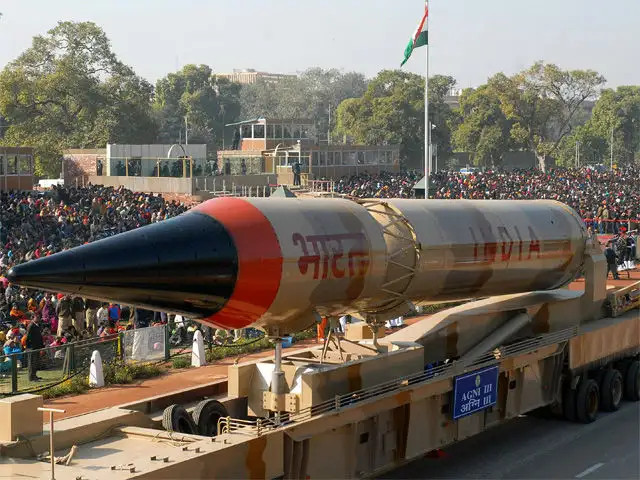
Here we take a look at the status of India’s indigenous missile power...
Image: DRDO
India may have developed surface-to-surface nuclear missiles like the Agni-V, which can strike targets over 5,000-km away, but has struggled to develop a complex BVR (beyond visual range) air combat missile like Astra for over a decade now.
Once the all-weather Astra is ready, India will join a handful of countries like the US, Russia, France and Israel which have developed such sleek missiles capable of detecting, tracking and destroying highly-agile, hostile supersonic fighters packed with “counter-measures” at long ranges.
Indian fighters are currently armed with Russian, French and Israeli BVR missiles, which cost a packet in the absence of a cheaper indigenous alternative.
Here we take a look at the status of India’s indigenous missile power...
Image: DRDO

ADVERTISEMENT


