Russia's Admiralty Shipyards: The facility where many Indian submarines have been made
The Admiralty Shipyard, established in 1705 is the oldest functioning shipyard in Russia with over 300 submarines produced here.
By Manu Pubby, ET Bureau | Updated:

Most of the submarines operated by the Indian Navy were constructed at a strategic shipyard at the secretive heart of the cold war naval tussle between USSR and the US. The Admiralty shipyards, based in St Petersburg and founded in 1704, account for 16 out of the 23 submarines that were or are in service with India since independence. However, the facility itself has been shrouded in secrecy, given its cold war lineage.
Now for the first time, an Indian publication has been given access to the shipyard – a rare peek into the art of submarine construction. Under construction right now are the latest 677 'Lada' conventional submarine for the Russian forces as well as upgraded Kilo class submarines for Vietnam and a Russian order. The yard is also pursuing an impending Indian order for a new class of Air Independent Propulsion submarines under the P 75 I project.
A look at the historic Admiralty Shipyards, which has rolled out over 300 submarines since the last century, including 41 nuclear boats. For now, the yard produces only conventional submarines, given concerns about the presence of a nuclear construction site in the populated city of St Petersburg.
The Admiralty Shipyard, established in 1705 is the oldest functioning shipyard in Russia with over 300 submarines produced here. At present, the Lada and upgraded Kilo class conventional submarines being produced here.
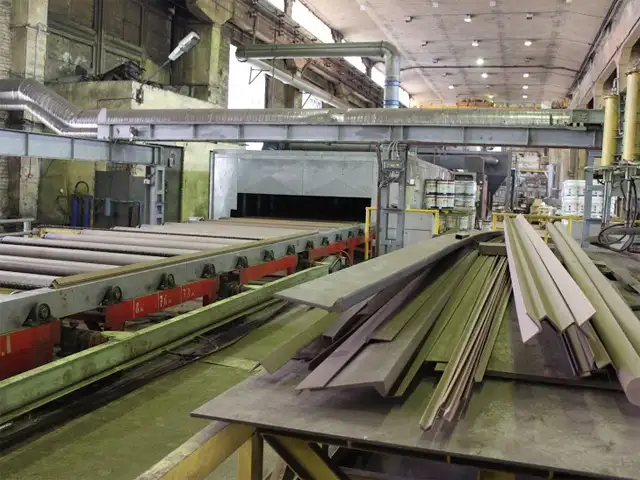
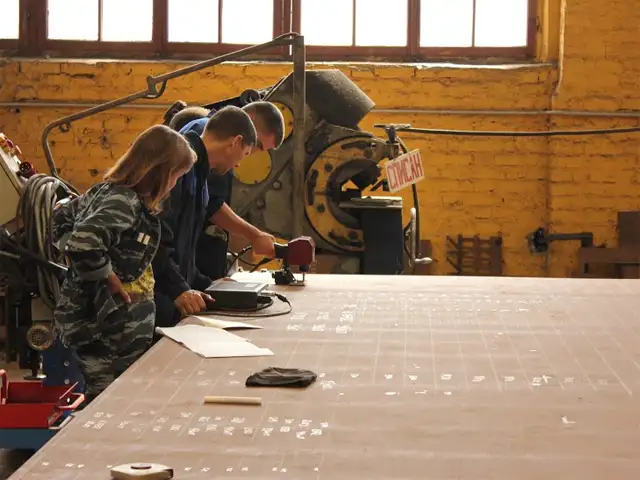
The first stage – where sheet metal comes into the factory, ready to be cut up in various shapes and sizes to form the structure of the submarine.
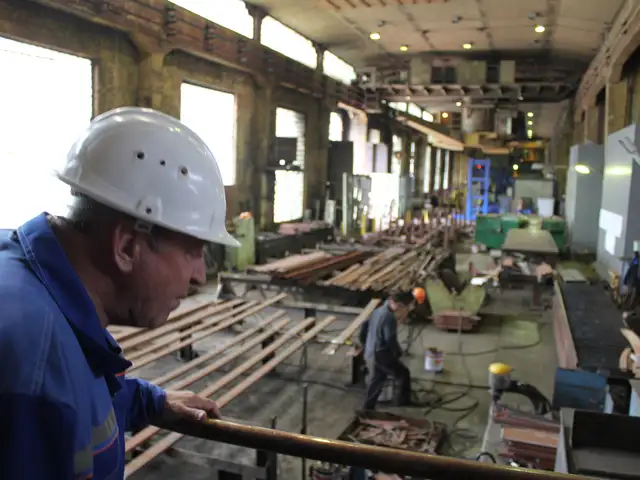
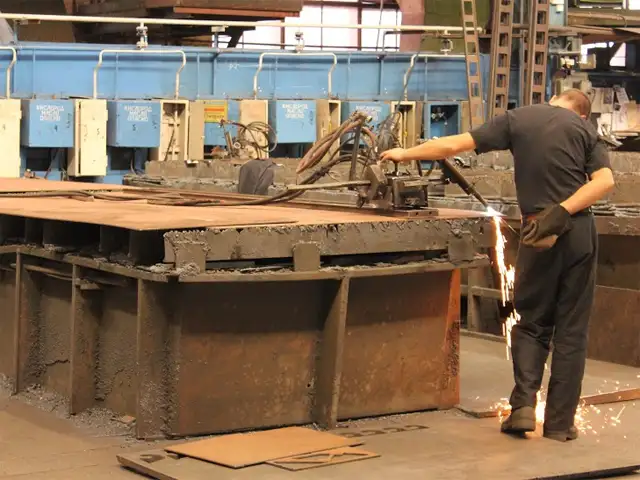
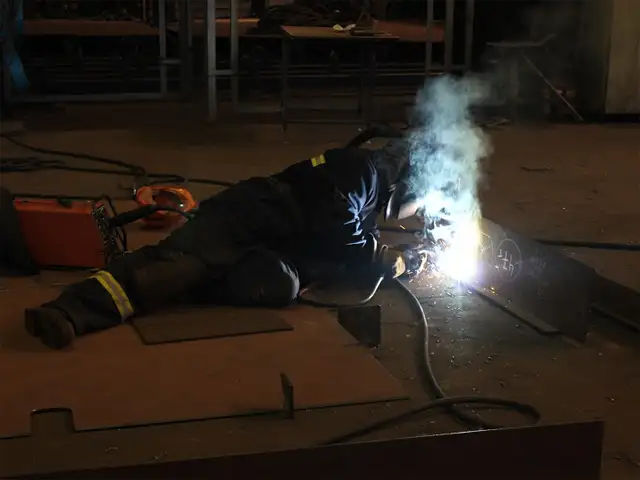
These strips of metal will form the various internal structure of the submarine
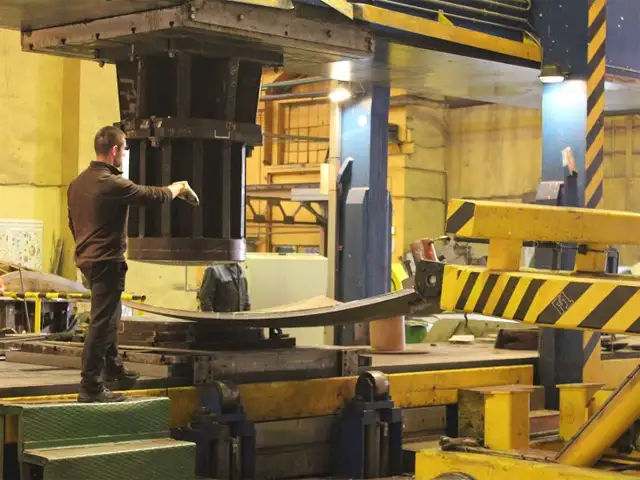
The toughest part – bending the metal just enough to form the curved sections of the hull. These sections have to be the toughest.
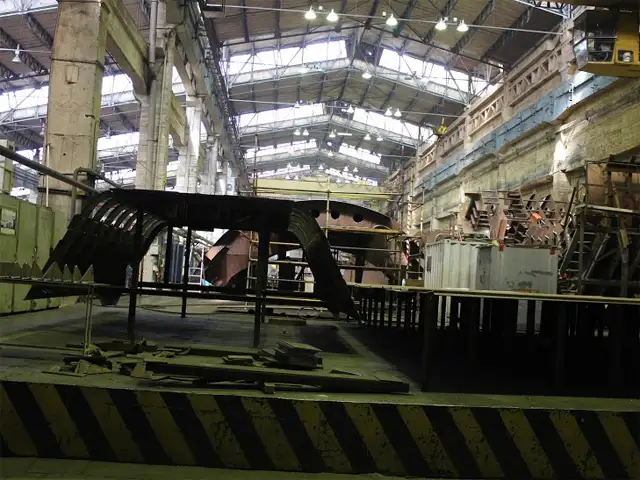
Partially completed sections lie at the rigs, ready to be moved to the next part of the assembly line.
A partially completed conning tower of a Kilo class submarine on the assembly line.
Now for the first time, an Indian publication has been given access to the shipyard – a rare peek into the art of submarine construction. Under construction right now are the latest 677 'Lada' conventional submarine for the Russian forces as well as upgraded Kilo class submarines for Vietnam and a Russian order. The yard is also pursuing an impending Indian order for a new class of Air Independent Propulsion submarines under the P 75 I project.
A look at the historic Admiralty Shipyards, which has rolled out over 300 submarines since the last century, including 41 nuclear boats. For now, the yard produces only conventional submarines, given concerns about the presence of a nuclear construction site in the populated city of St Petersburg.
The Admiralty Shipyard, established in 1705 is the oldest functioning shipyard in Russia with over 300 submarines produced here. At present, the Lada and upgraded Kilo class conventional submarines being produced here.
ADVERTISEMENT
The first stage – where sheet metal comes into the factory, ready to be cut up in various shapes and sizes to form the structure of the submarine.
ADVERTISEMENT
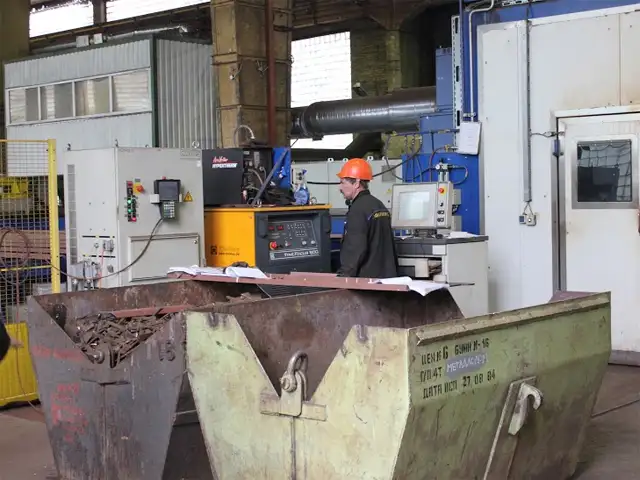
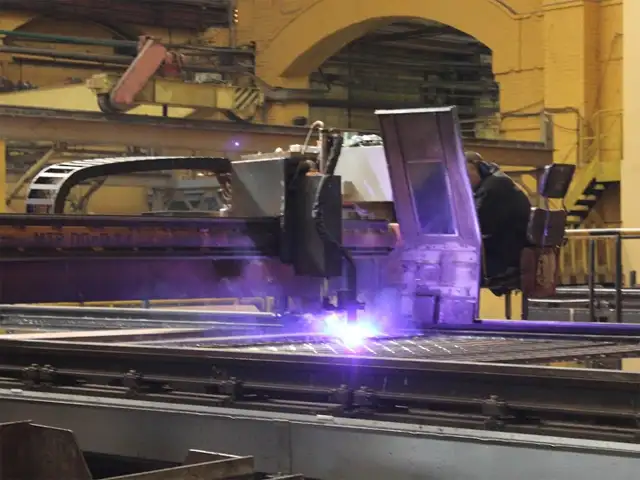
The laser cutting room, where metal sheets are cut using precision toolsADVERTISEMENT
These strips of metal will form the various internal structure of the submarine
The toughest part – bending the metal just enough to form the curved sections of the hull. These sections have to be the toughest.
Partially completed sections lie at the rigs, ready to be moved to the next part of the assembly line.
A partially completed conning tower of a Kilo class submarine on the assembly line.
Download
The Economic Times Business News App for the Latest News in Business, Sensex, Stock Market Updates & More.
The Economic Times Business News App for the Latest News in Business, Sensex, Stock Market Updates & More.
Download
The Economic Times News App for Quarterly Results, Latest News in ITR, Business, Share Market, Live Sensex News & More.
The Economic Times News App for Quarterly Results, Latest News in ITR, Business, Share Market, Live Sensex News & More.
Related Articles
 Russia and India working on increasing bilateral trade volumes: Kremlin spokesman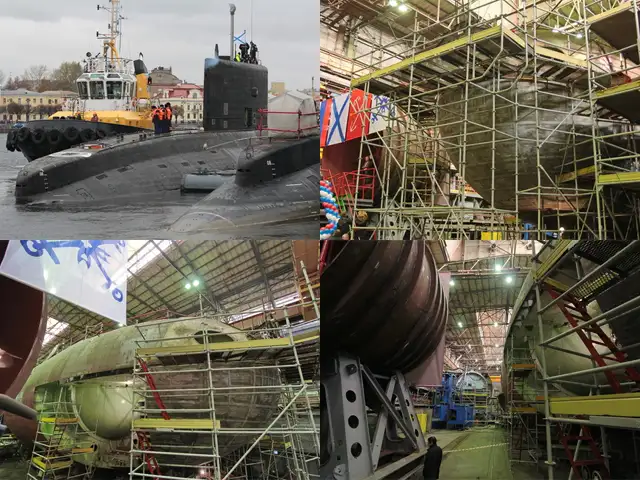
Manu Pubby, ET Bureau
Most of the submarines operated by the Indian Navy were constructed at a strategic shipyard at the secretive heart of the cold war naval tussle between USSR and the US.
The Admiralty Shipyards, based in St Petersburg and founded in 1704, accounts for 16 out of the 23 submarines that were or are in service with India since independence. However, the facility itself has been shrouded in secrecy, given its cold war lineage.
Now for the first time, an Indian publication has been given access to the shipyard – a rare peek into the art of submarine construction. We take a look at the historic Admiralty Shipyards, which has rolled out over 300 submarines since the last century, including 41 nuclear boats:
Image: Rubin Design Bureau
Most of the submarines operated by the Indian Navy were constructed at a strategic shipyard at the secretive heart of the cold war naval tussle between USSR and the US.
The Admiralty Shipyards, based in St Petersburg and founded in 1704, accounts for 16 out of the 23 submarines that were or are in service with India since independence. However, the facility itself has been shrouded in secrecy, given its cold war lineage.
Now for the first time, an Indian publication has been given access to the shipyard – a rare peek into the art of submarine construction. We take a look at the historic Admiralty Shipyards, which has rolled out over 300 submarines since the last century, including 41 nuclear boats:
Image: Rubin Design Bureau

ADVERTISEMENT


