Russia wants to make India a global hub for submarine upgrade, maintenance and repair
Russian engineers have already visited the Indian yard and advised it on changes to be made as well as investments needed to execute the project.
By Manu Pubby, ET Bureau | Updated:

ST PETERSBURG: Russia says that it wants to make India a global hub for the upgrade, maintenance and repair of conventional submarines and its leading shipyard is in final talks to select an Indian joint venture partner for a mega project to set up facilities here.
With contracts worth several thousand crores in the offing for the upgrade of Russian origin diesel electric submarines — several from the Indian Navy itself — the joint venture has the potential of making the selected Indian shipyard a serious player in the international market.
Officials from the state-run Zvyozdochka shipyard told ET that a memorandum of understanding could be signed within a month as it is in final talks with an Indian partner for the project. Russian engineers have already visited the Indian yard and advised it on changes to be made as well as investments needed to execute the project.
Follow @ETDefence Twitter handle for comprehensive coverage on other buzzing Defence stories
“We are in the process of negotiating with an Indian shipyard and if these negotiations are successful, it could become our partner for future tasks of modernising Kilo class submarines. Not just for India but for third nations as well,” Evgeny V Shustikov, Deputy Director General of Zvyozdochka told ET.
While the Russian side is reluctant to share details, it is learnt that several rounds of talks have taken place between Zvyozdochka and the Gujarat-based Pipavav Shipyard that has recently been bought over by Anil Ambani’s Reliance. A final round of talks are expected to take place in August.
Explaining the project, Shustikov says that the Russian side is looking at a joint venture model with partners in India who can execute work orders from the region. India alone is looking at the imminent second life extension of at least four Kilo class submarines. This would give the fleet almost 15 more years of service life. “Our estimate is that we will be loaded with work for at least 15-20 years,” Shustikov says.
Other nations that operate Kilos in the region include Iran with three submarines of the same class and Nigeria with six. In addition, Russia has recently sold six upgraded Kilo class submarines to Vietnam that will require overhauling and repairs in the coming years and is pursuing several other orders in the region.
“India could become a second center in the world for Kilo class upgrade. For certain nations it is easier to send the submarine for repair to India than to any other place. It is also a good chance for India to master the repair and upgrade of this class of vessel,” Andrey Baranov, deputy CEO Rubin design bureau that has designed the Kilo class, told ET.
(This reporter was in St Petersburg on the invitation of United Shipbuilding Corporation)
With contracts worth several thousand crores in the offing for the upgrade of Russian origin diesel electric submarines — several from the Indian Navy itself — the joint venture has the potential of making the selected Indian shipyard a serious player in the international market.
Officials from the state-run Zvyozdochka shipyard told ET that a memorandum of understanding could be signed within a month as it is in final talks with an Indian partner for the project. Russian engineers have already visited the Indian yard and advised it on changes to be made as well as investments needed to execute the project.
Follow @ETDefence Twitter handle for comprehensive coverage on other buzzing Defence stories
“We are in the process of negotiating with an Indian shipyard and if these negotiations are successful, it could become our partner for future tasks of modernising Kilo class submarines. Not just for India but for third nations as well,” Evgeny V Shustikov, Deputy Director General of Zvyozdochka told ET.
While the Russian side is reluctant to share details, it is learnt that several rounds of talks have taken place between Zvyozdochka and the Gujarat-based Pipavav Shipyard that has recently been bought over by Anil Ambani’s Reliance. A final round of talks are expected to take place in August.
ADVERTISEMENT
Explaining the project, Shustikov says that the Russian side is looking at a joint venture model with partners in India who can execute work orders from the region. India alone is looking at the imminent second life extension of at least four Kilo class submarines. This would give the fleet almost 15 more years of service life. “Our estimate is that we will be loaded with work for at least 15-20 years,” Shustikov says.
Other nations that operate Kilos in the region include Iran with three submarines of the same class and Nigeria with six. In addition, Russia has recently sold six upgraded Kilo class submarines to Vietnam that will require overhauling and repairs in the coming years and is pursuing several other orders in the region.
“India could become a second center in the world for Kilo class upgrade. For certain nations it is easier to send the submarine for repair to India than to any other place. It is also a good chance for India to master the repair and upgrade of this class of vessel,” Andrey Baranov, deputy CEO Rubin design bureau that has designed the Kilo class, told ET.
(This reporter was in St Petersburg on the invitation of United Shipbuilding Corporation)
Download
The Economic Times Business News App for the Latest News in Business, Sensex, Stock Market Updates & More.
The Economic Times Business News App for the Latest News in Business, Sensex, Stock Market Updates & More.
Download
The Economic Times News App for Quarterly Results, Latest News in ITR, Business, Share Market, Live Sensex News & More.
The Economic Times News App for Quarterly Results, Latest News in ITR, Business, Share Market, Live Sensex News & More.
Related Articles
 Ukraine's drone assault ignites major oil refinery in Russia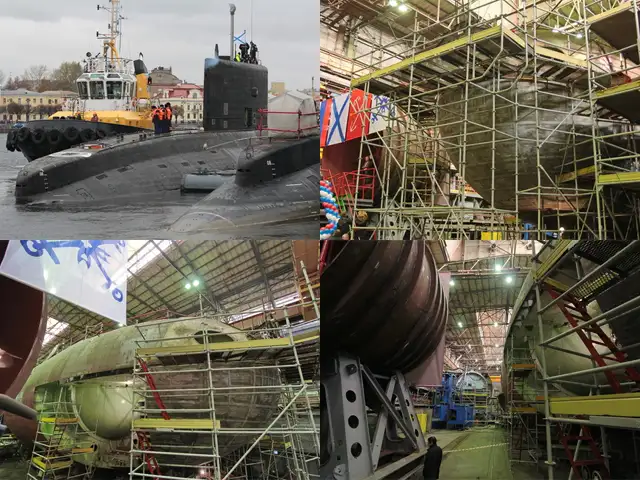
Manu Pubby, ET Bureau
Most of the submarines operated by the Indian Navy were constructed at a strategic shipyard at the secretive heart of the cold war naval tussle between USSR and the US.
The Admiralty Shipyards, based in St Petersburg and founded in 1704, accounts for 16 out of the 23 submarines that were or are in service with India since independence. However, the facility itself has been shrouded in secrecy, given its cold war lineage.
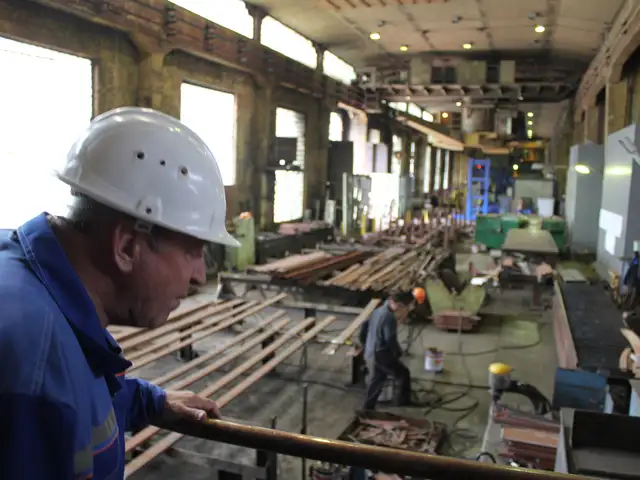
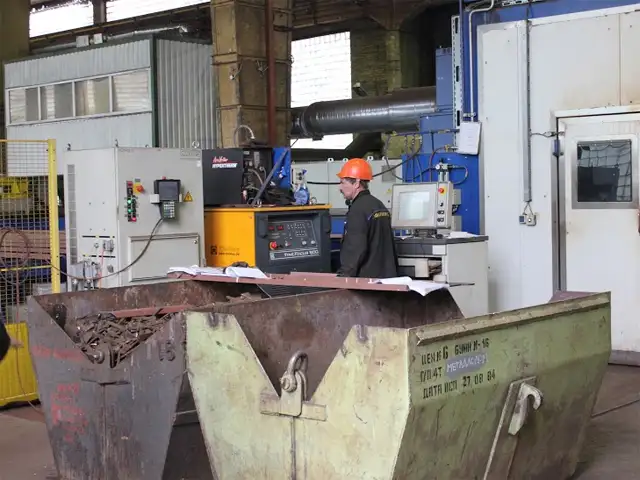
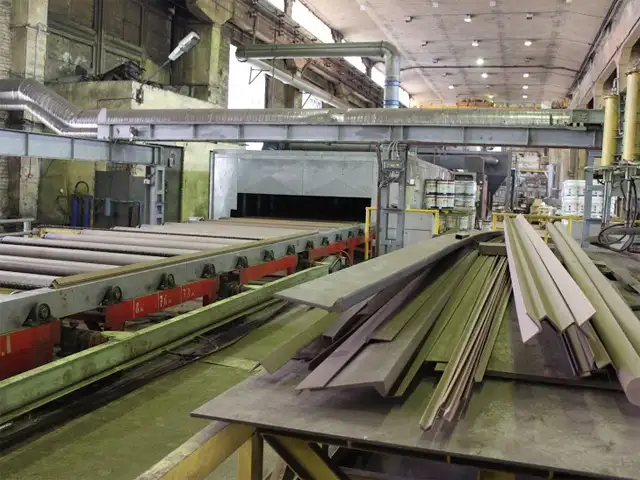
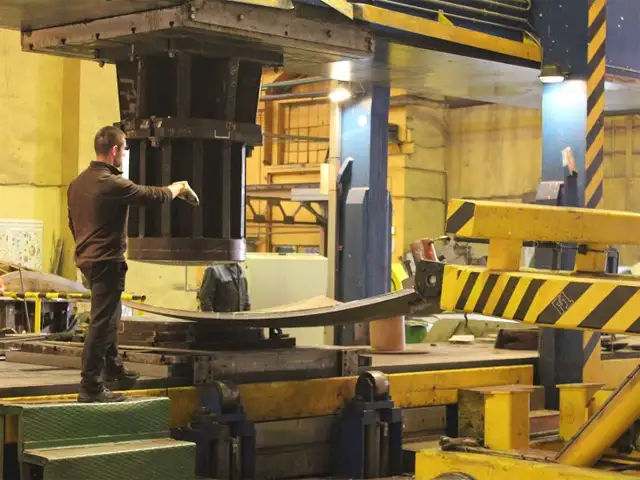
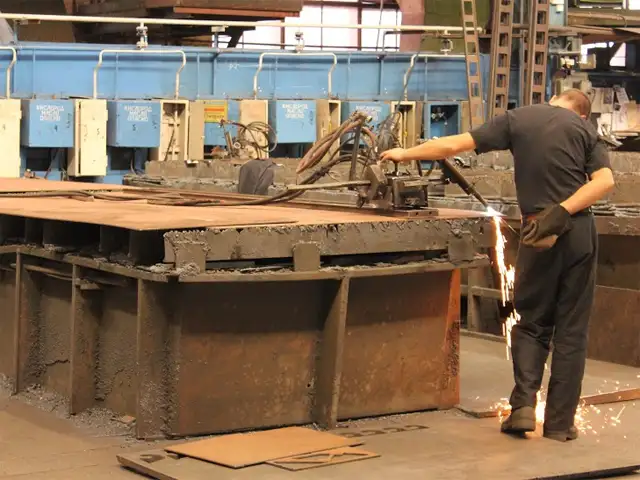
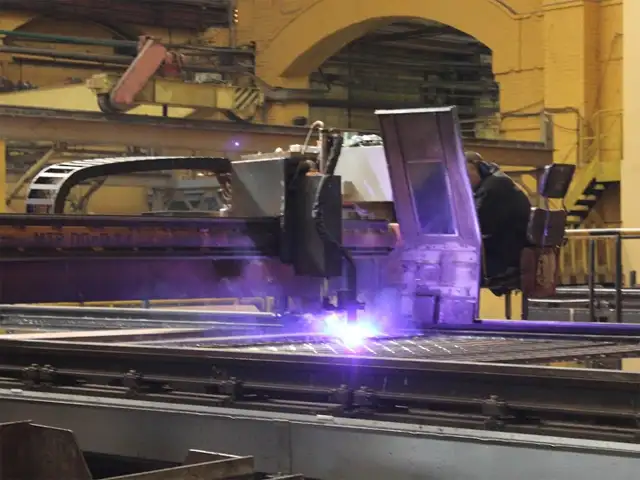
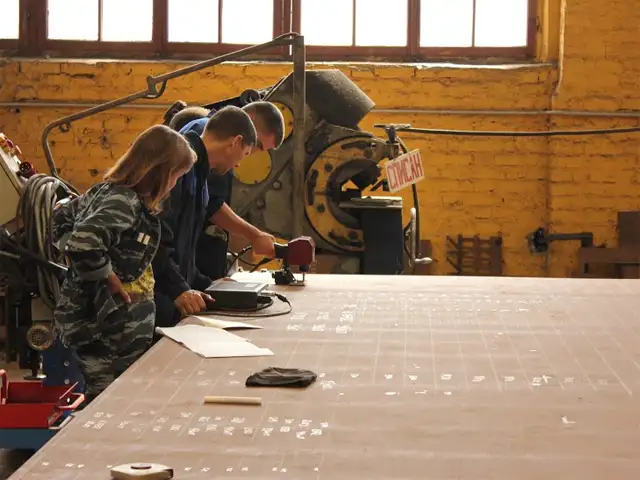
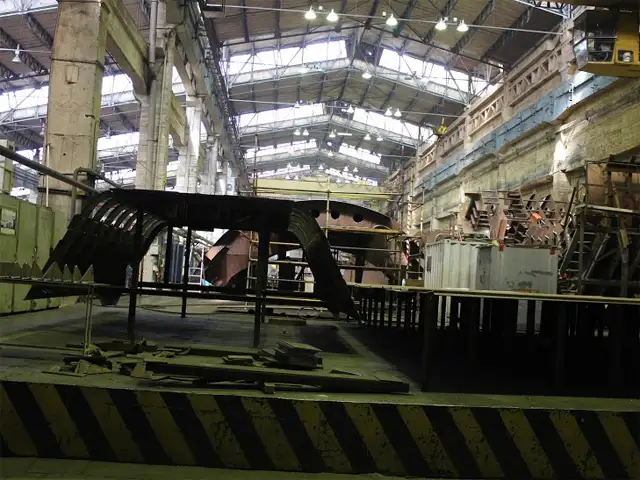
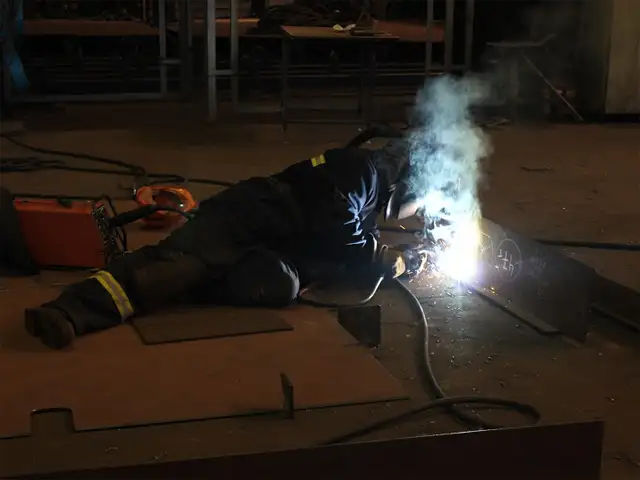
Now for the first time, an Indian publication has been given access to the shipyard – a rare peek into the art of submarine construction. We take a look at the historic Admiralty Shipyards, which has rolled out over 300 submarines since the last century, including 41 nuclear boats:
Image: Rubin Design Bureau
Most of the submarines operated by the Indian Navy were constructed at a strategic shipyard at the secretive heart of the cold war naval tussle between USSR and the US.
The Admiralty Shipyards, based in St Petersburg and founded in 1704, accounts for 16 out of the 23 submarines that were or are in service with India since independence. However, the facility itself has been shrouded in secrecy, given its cold war lineage.
Now for the first time, an Indian publication has been given access to the shipyard – a rare peek into the art of submarine construction. We take a look at the historic Admiralty Shipyards, which has rolled out over 300 submarines since the last century, including 41 nuclear boats:
Image: Rubin Design Bureau

ADVERTISEMENT


